

 ADVERTISEMENT
 Nzoia Sugar Company, once ailing under the weight of debt, inefficiency, and political interference, is writing a new chapter in Kenya’s sugar story. For decades, the mill stood as both the pride of Bungoma County and the despair of farmers whose toil often went unrewarded. Today, however, the factory is roaring back to life—its hum of refurbished machines and renewed optimism echoing across western Kenya’s cane belt.
At the heart of this revival is Eng. Nicholas Odero Gumbo Wajonya, Chairperson of the Kenya Sugar Board, whose hands-on leadership has injected fresh energy into a sector long dismissed as moribund. His recent inspection of Nzoia’s factory maintenance works and the ambitious Nucleus Estate planting program signaled more than routine oversight—it was a clarion call for accountability, technical precision, and visionary reform.
Engineering Precision Meets Policy Reform
An engineer by training, Eng. Gumbo has brought the discipline of the workshop floor into the boardroom. His uncompromising insistence on strict timelines and adherence to quality standards has accelerated the refurbishment of aging machines that once crippled production. At the same time, he has kept a keen eye on the fields, emphasizing sustainable cane development and farmer engagement as the foundation of consistent raw material supply.
“The future of sugar is not just in the factory—it’s in the farm,” he told farmers during his tour, underscoring the delicate synergy between machines and fields.
Inside the factory, sustainability is no longer an afterthought. Nzoia is harnessing bagasse—the fibrous cane residue—to power its operations. This shift to green energy not only trims costs and reduces dependence on the national grid but also positions the company as a model for climate-conscious agro-industrial enterprises. In a country where climate resilience is fast becoming a survival strategy, this innovation blends environmental stewardship with economic efficiency.

The Power of Partnership
Nzoia’s renaissance is underpinned by a landmark 30-year lease that placed the company under the stewardship of West Kenya Sugar Company. With a KSh 5.7 billion investment package on the table, the deal promises modern infrastructure, higher crushing capacity, and most crucially—timely farmer payments.
Every week, over 120,000 farmers now receive prompt payments, pumping nearly KSh 14 billion annually into local economies. For households that once endured uncertainty, with children sent home from school over unpaid cane dues, the consistency of weekly payments is restoring dignity and trust.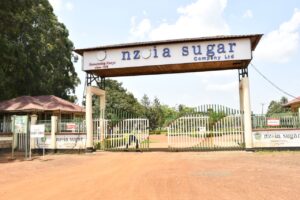
Reforming a Troubled Sector
The rebirth of Nzoia mirrors the wider reform agenda sweeping through Kenya’s sugar sector. For years, outdated infrastructure, cartels, political meddling, and stiff regional competition left local mills teetering. The enactment of the 2024 Sugar Bill, which restored regulatory teeth to the Kenya Sugar Board, now provides the framework for transparency, equitable pricing, and farmer-first policies.
With sugar contributing an estimated 4.5% of Kenya’s GDP and directly or indirectly employing over 350,000 people, the stakes are immense. Reform is not a luxury—it is a lifeline.
Farmers at the Core
At its core, this revival is a human story. Cane farmers, once left destitute by delayed payments and poor seed distribution, are now central to Nzoia’s turnaround. Access to quality cane varieties, farm inputs, and extension services has improved yields and rebuilt confidence. The sugar economy is once again fueling trade, education, and enterprise across Bungoma and beyond.
The road has not been without potholes. The leasing process, criticized for lack of transparency and inadequate public participation, sparked litigation. But with the courts largely upholding the reforms and the government stepping in to clear wage arrears, the focus is shifting firmly to productivity and farmer welfare.
A Catalyst for Socioeconomic Growth
Beyond the factory gates, Nzoia’s revival is lifting entire communities. Better roads, thriving market centers, and revitalized schools are part of the ripple effect. The sugar company is proving that agro-industrial revival is not just about crushing cane but about catalyzing social and economic transformation.
The story of Nzoia is a lesson in balance: blending private-sector dynamism with state oversight, marrying technology with tradition, and fusing policy reform with grassroots empowerment.


