


The Kenya Meteorological Department (KMD) has released its latest forecast, outlining rainfall expectations across the country between September 16 and 22, 2025. The outlook points to a mixed pattern, with some regions set for heavy downpours while others will remain relatively dry.
Western Kenya and Lake Victoria Basin
Counties in Western Kenya and the Lake Victoria Basin are expected to record the highest rainfall amounts during the forecast period.
Areas including Kakamega, Kisumu, Siaya, Migori, Homa Bay, Vihiga, Busia, Bungoma, and Kericho will receive 20mm to 70mm of rainfall.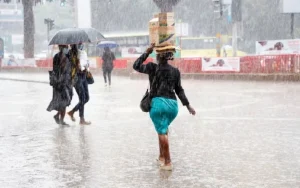
KMD cautions that parts of these counties, especially those near Lake Victoria, may experience rainfall exceeding 70mm, heightening the risk of flash floods and waterlogging in low-lying areas. Farmers and residents are advised to brace for potential disruptions to transport, agriculture, and daily activities.
Central Highlands and Rift Valley
The Central Highlands and sections of the Rift Valley will see moderate rainfall, beneficial for agriculture. Counties such as Nakuru, Bomet, Nyandarua, Nyeri, Kiambu, Murang’a, Kirinyaga, and Embu are projected to record 10mm to 50mm of rainfall.
The Aberdare Ranges and areas surrounding Mount Kenya could exceed 70mm, with possible localized flooding and minor landslides in saturated hilly zones.
KMD has urged farmers to plant short-term crops while local authorities monitor landslide-prone areas closely.
Coastal Counties
The Coastal strip is forecast to receive widespread heavy rainfall. Kwale, Mombasa, Kilifi, and Tana River counties could record some of the highest totals in the country, with southern Kwale and parts of Kilifi possibly exceeding 100mm.
This may trigger localized flooding in low-lying and poorly drained areas. Residents have been urged to remain vigilant and take precautions against the expected downpours.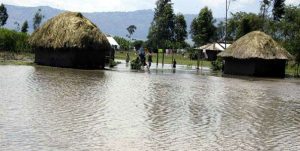
Eastern and North-Eastern Kenya
Counties including Garissa, Wajir, Mandera, Kitui, and Makueni will receive light to moderate rainfall, mostly below 20mm, though isolated areas could receive up to 50mm.
While flooding is unlikely, the rainfall will offer much-needed relief to pastoral communities struggling with water shortages in the semi-arid zones.
Northern Kenya and ASAL Regions
The Arid and Semi-Arid Lands (ASALs) — covering Turkana, Marsabit, Samburu, and parts of Isiolo — will remain largely dry, with rainfall amounts of less than 10mm expected. A few isolated showers may occur but are unlikely to improve water availability significantly.
Kenya Met Advisory
KMD has warned that heavy rains in highland areas such as Kericho, Nyandarua, and Murang’a could cause road disruptions, mudslides, and reduced accessibility in remote regions.
Meanwhile, persistent dryness in ASAL counties means water scarcity challenges will continue, underscoring the need for prudent water resource management.
Farmers in the Central Highlands, Rift Valley, and western Kenya have been urged to maximize the rainfall for planting and agricultural production.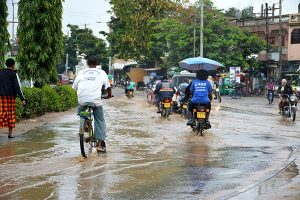
The department stressed the importance of community preparedness, particularly in flood-prone zones, and advised Kenyans to follow daily updates, as weather conditions can shift rapidly.









Leave a Reply