

 ADVERTISEMENT
 Voters queued before dawn at polling stations across Malawi on September 16, braving shortages of food and fuel to cast their ballots in a pivotal election that has now reshaped the country’s political landscape.
President Lazarus Chakwera, 70, has formally conceded defeat to his rival — and once again his predecessor — Peter Mutharika, who is poised to return to power five years after being unseated. In an address to the nation, Chakwera struck a conciliatory tone, acknowledging both the verdict of the people and the weight of Malawi’s constitution.
“It is only right that I concede defeat out of respect for your will as citizens and out of respect for the constitution,” Chakwera said. “It was clear that my rival Peter Mutharika has an insurmountable lead over me.”
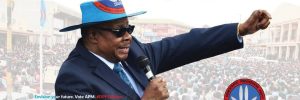
With the concession, Malawi witnesses a rare democratic cycle in which Chakwera became Mutharika’s successor in 2020, only to now become his predecessor in 2025 — underscoring the volatile but competitive nature of the country’s politics.
A Bitterly Contested Election
The Malawi Electoral Commission is expected to make the final announcement, but preliminary results already give Mutharika, 85, and his Democratic Progressive Party (DPP) a decisive edge over the ruling Malawi Congress Party (MCP). The contest, described by analysts as one of the tightest in recent history, was dominated by frustration over the economy rather than ideology.

Chakwera rode to power in 2020 on promises of reform, accountability, and renewal after the courts annulled Mutharika’s disputed 2019 win. But his presidency has been battered by inflation at 33 percent, skyrocketing food and fertiliser prices, and persistent fuel shortages. According to the World Bank, three-quarters of Malawians live on less than $3 a day, with half the population not receiving sufficient daily calories.
The president’s anti-corruption drive — a signature pledge of his 2020 campaign — faltered, with critics accusing his government of acting too slowly and selectively.
The Return of Mutharika
Mutharika, a former law professor who led Malawi from 2014 to 2020, returns to the helm as both a familiar and controversial figure. His previous tenure was marked by major infrastructure projects and lower inflation, achievements that his supporters highlighted during the campaign. But he was also dogged by accusations of cronyism and entrenched patronage networks, allegations he has consistently denied.
His earlier fall from grace came in 2019, when his re-election was overturned by Malawi’s constitutional court in a landmark ruling citing “widespread irregularities” — including the infamous use of correction fluid on tally sheets. That judicial intervention paved the way for Chakwera’s 2020 victory, which many at the time hailed as a democratic triumph.
Peaceful Transition Amid Hardship
Despite his loss, Chakwera pledged a smooth and peaceful transition.
“In the days that remain, I want you to know that I am committed to a peaceful transfer of power,” he told Malawians, urging unity during a period of acute economic hardship.
For many citizens, the choice between the two seasoned politicians reflected not only personalities but diverging records of governance under the same persistent crises of poverty, unemployment, and hunger.
As Mutharika prepares to be sworn in again, he inherits a country still reeling from deep economic malaise and public disillusionment. Whether his second act can revive hope in one of Southern Africa’s poorest nations will define both his legacy and the resilience of Malawi’s democracy.


