
James Opiyo Wandayi’s consultative meeting with Maasai community leadership at the KAWI Complex highlights a crucial drive to remedy historical disparities in access to electricity for marginalized communities in Kenya. The dialogues focused on expanding rural electrification to Maasai areas, where limited or no access to electricity has for decades stifled education, healthcare, commerce, and overall quality of life.
Electricity access remains a foundational pillar for socio-economic empowerment. For the Maasai, who predominantly inhabit arid and semi-arid lands with dispersed settlements, lack of reliable power constrains opportunities to improve livelihoods. Reliable electricity powers schools, enabling extended study hours with proper lighting and access to digital educational tools. Health facilities can store vaccines, perform night-time medical services, and maintain equipment that improve patient outcomes. Electrification also facilitates small businesses and value addition in agricultural and pastoral products, contributing to income generation and poverty reduction.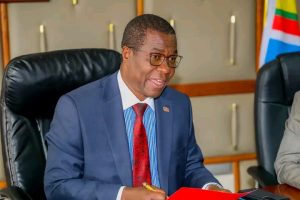
National efforts have progressively recognized the need to prioritize rural electrification through innovative solutions. Extending the national grid to remote Maasai regions has often been hampered by high costs due to difficult terrain and low population density. However, decentralized energy solutions such as solar mini-grids, coupled with government subsidies and public-private partnerships, have emerged as effective alternatives. Kenya’s Ministry of Energy, led by James Opiyo Wandayi, recently mobilized a $100 million facility from the African Development Bank aimed at scaling solar mini-grid installations in underserved counties. This demonstrates a concrete commitment to bridging energy access gaps for marginalized communities including the Maasai.
Community-led initiatives further enhance the impact of electrification projects. For example, the Maasai Stoves & Solar Project has combined solar home systems and electrified micro-grids to power individual homes and bomas (family settlements). As of early 2025, over sixty-four Maasai family bomas benefit from micro-grid electricity, improving lighting, water pumping, and small-scale enterprises. Women’s groups trained as solar installers not only enhance local capacity but also generate income, accelerating social empowerment. Similarly, Panasonic’s Off-grid Solutions Project in Narok County has improved educational environments by providing solar-powered lighting and water pumping for schools, while health clinics can refrigerate vaccines and conduct nighttime examinations and deliveries, substantially increasing healthcare access.
Electricity empowers Maasai youth and women by enabling economic activities like food preservation, artisanal crafts, and small agribusinesses. It also fosters education by supporting night classes and digital literacy, thereby facilitating socio-economic inclusion and upward mobility. These gains contribute directly to Kenya’s national development goals and Vision 2030 aspirations.
Despite these gains, challenges remain. The logistics of serving dispersed pastoral communities with grid infrastructure are complex and costly. Seasonal migration patterns complicate demand estimation and consistent service. Addressing these requires culturally sensitive approaches that respect Maasai traditions and land use, coupled with flexible decentralized energy models. Stakeholder collaboration including government agencies, local leaders, NGOs, and private sector actors is essential to design sustainable solutions.

The role of responsive and participatory leadership is critical in driving this agenda. James Opiyo Wandayi’s direct engagement with Maasai elders exemplifies inclusive governance and the prioritization of marginalized voices in national development initiatives. Such leadership fosters trust, enhances accountability, and ensures that policies reflect community needs, laying a foundation for long-term success.
Expanding rural electrification in Maasailand is more than a technical project — it is a strategic social intervention that catalyzes improved education, health, economic empowerment, and environmental sustainability. Electrification brings new hope and tangible opportunities for communities that have historically been left in the shadows.
For Kenya to achieve equitable development, no community can remain in darkness. The commitment of leaders, policymakers, and stakeholders to prioritize access to electricity in Maasai areas sends a powerful signal that inclusive growth is possible. It reaffirms the nation’s pledge to leave no one behind and harness the full potential of all its people.
By lighting homes, schools, clinics, and markets, rural electrification invests in human capital and economic resilience. It supports livelihoods, strengthens social cohesion, and builds resilient communities prepared to face future challenges. The experience of Maasai communities demonstrates that with innovative energy solutions, strategic partnerships, and inclusive leadership, the path to sustainable development shines bright.
This consultative meeting at the KAWI Complex is a vital step toward harnessing these opportunities. If translated into sustained action and targeted investments, it will accelerate transformative change and elevate the Maasai community along Kenya’s journey to prosperity and social equity.
James Kilonzo Bwire is a Media and Communication Practitioner.


