

The Orange Democratic Movement (ODM) Party holds a make-or-break crisis meeting today, with interim leader Oburu Oginga convening top brass in Nairobi to confront growing dissent, a leadership vacuum, and a looming generational showdown that could redefine the party’s identity after the death of Raila Odinga.
A Party Without a Blueprint
For the first time in its 19-year history, ODM faces a future without its founding leader — and without a clear line of succession.
Raila Odinga, the party’s undisputed kingpin for two decades, left behind a movement built on charisma but lacking institutional depth.
“Raila Odinga was ODM’s engine, its ideology and its glue. The tragedy is that he left no functional structure for succession,” admitted a senior official who requested anonymity.
That vacuum has unleashed intense jostling inside the once-united Orange party — a tug-of-war between loyalists seeking continuity and younger leaders demanding reinvention.
Oburu Takes the Helm Amid Fractures

Oburu Oginga, Raila’s elder brother, was endorsed as acting party leader last week to “steady the ship,” but his selection has exposed deep internal fissures. While his allies hail him as a caretaker figure to preserve unity, critics see a dynastic stopgap, not a long-term fix.
“This can’t just be about family legacy. ODM must evolve or dissolve,” remarked an ODM MP from Nairobi, warning that youth leaders were growing restless.
Party sources confirm today’s meeting will tackle three pressing issues: formalising Oburu’s interim mandate, defining ODM’s role within the Broad-Based Government (BBG), and calming rebellion within key regional blocs — particularly in Western, Coast, and Nairobi branches.
Sifuna vs. the Shadows
At the heart of ODM’s succession tension lies Edwin Sifuna, the outspoken Secretary-General whose assertive leadership has drawn both admiration and fear.
A faction of older loyalists is pushing for his removal, claiming he’s too abrasive and ambitious. But insiders insist the campaign is externally fueled.
“Those calling for Sifuna’s ouster are playing into the hands of rival parties who fear him,” said an ODM NEC member.
“He’s the only leader with a national outlook who can stop ODM from shrinking into a regional Luo party.”
Indeed, Sifuna’s growing popularity among urban youth, middle-class voters, and professionals has made him the most formidable contender for the party’s future presidency — alongside emerging figures like Babu Owino, Gladys Wanga, and Hassan Joho.
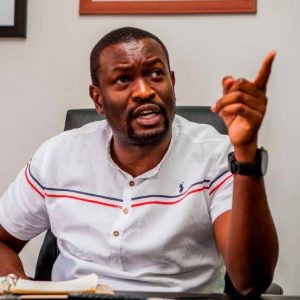
The Rise of the Young Turks
Babu Owino, the fiery Embakasi East MP, has positioned himself as the voice of ODM’s younger generation — bold, populist, and unfiltered. His message of “reclaiming ODM from the old guard” has resonated with restless party youth and online activists.
“We respect Raila’s legacy, but ODM must move from emotional politics to strategic politics,” Babu told supporters last week.
“If we don’t renew now, we risk irrelevance.”
Observers note that a Sifuna–Babu alliance could electrify ODM’s youth base and give the party a national face, contrasting sharply with the dynastic image critics associate with the Oburu transition.
Staying in Government—or Going It Alone?
Despite internal chaos, a majority of delegates are expected to back a resolution for ODM to remain within the Broad-Based Government arrangement that emerged after the 2024 National Dialogue Pact.
The logic is pragmatic: stability over protest politics.
“Leaving the government now would be suicidal,” one county chairman said.
“ODM must rebuild from within while negotiating influence, not isolation.”
Still, purists argue that ODM risks losing its reformist soul by staying too close to President William Ruto’s administration — a balancing act Oburu must navigate delicately.
What’s at Stake
Today’s closed-door meeting could determine whether ODM remains a national powerhouse or fragments into regional factions.
If Oburu can reconcile the old guard with the youthful reformists — and if the party embraces transparent succession — ODM could re-emerge stronger.
But if mistrust festers, defections and rival camps could doom the movement that once defined opposition politics in Kenya.
As one veteran insider warned:
“This meeting is ODM’s Rubicon. Either we build a modern political machine—or we become a memory.”
The Orange party is at a crossroads. With Oburu Oginga holding the gavel, Edwin Sifuna facing orchestrated pushback, and Babu Owino rising as the voice of renewal, ODM’s crisis meeting isn’t just about leadership — it’s about survival, legacy, and the battle for Kenya’s opposition soul.


