


When Eliud Owalo first hinted at his ambition to contest the Siaya gubernatorial seat, he met fierce resistance and open hostility from political heavyweights across the county. Many dismissed his bid as overambitious—an outsider’s dream in a county dominated by entrenched political dynasties. But as events continue to unfold, one thing is becoming clear: Eliud Owalo refuses to be written off.
Today, Owalo stands as one of the most strategically positioned political figures from Nyanza, balancing power, influence, and a fast-growing network that extends far beyond Siaya’s borders. Currently serving at State House, Nairobi, Owalo has not only cultivated influence in national governance but has also redefined his brand as a development-focused leader with a keen sense of timing and public relations mastery.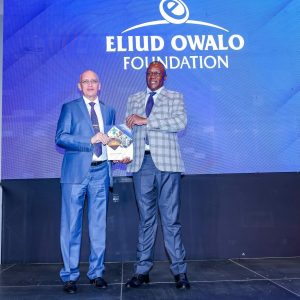
Owalo’s public service record speaks volumes. As Cabinet Secretary for Information, Communication, and the Digital Economy (ICT), he left an indelible footprint by spearheading Kenya’s digital transformation agenda—rolling out public Wi-Fi hotspots, digital innovation hubs, and e-government services. His tenure cemented his reputation as a results-oriented technocrat capable of delivering tangible national impact.
But long before his Cabinet days, Owalo had already honed his political skills on tough turf—famously taking on the ODM Party during the heated Kibra by-election, where he chose to chart an independent course against political orthodoxy. It was a move that showcased both courage and conviction—traits that continue to define his political journey.
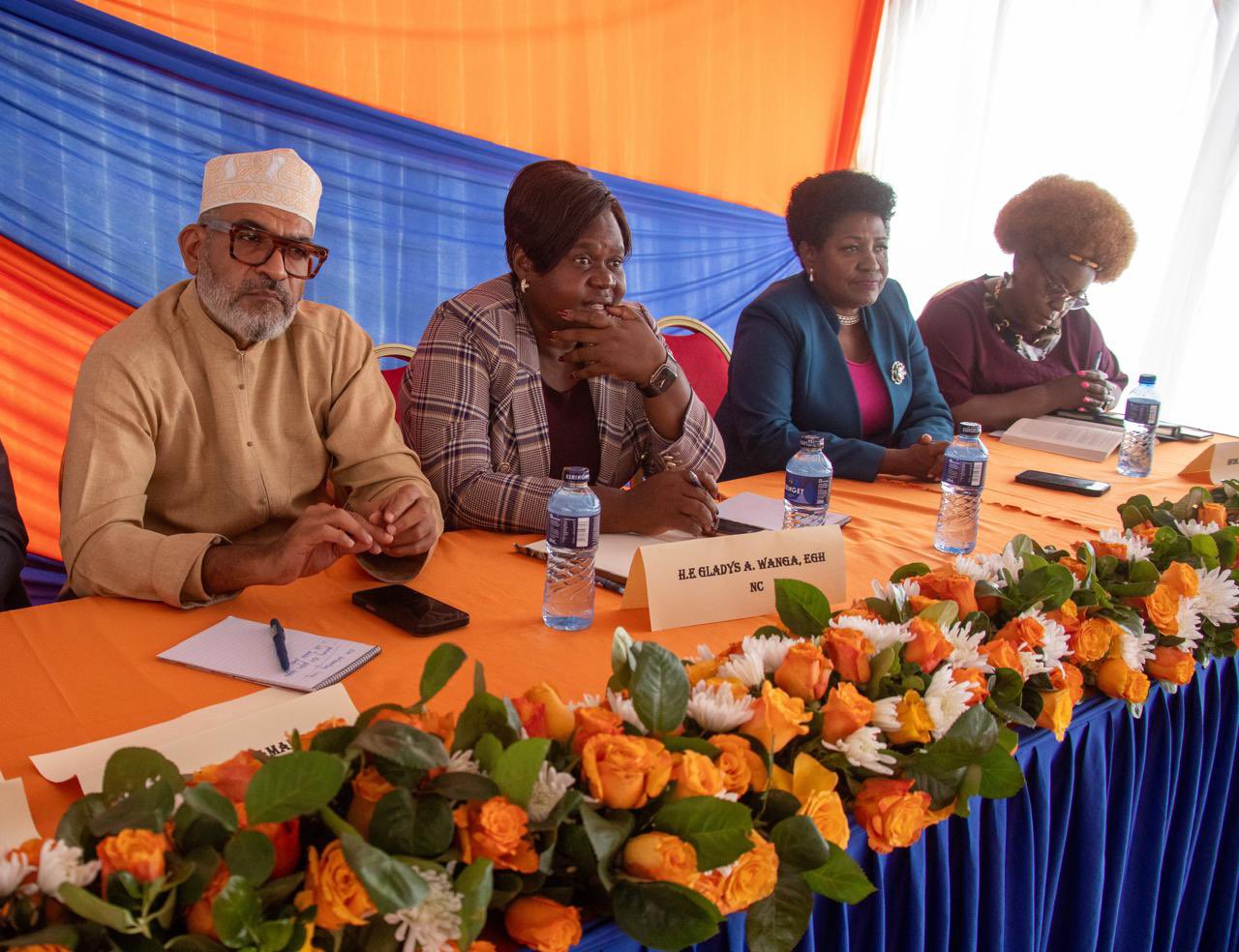
On Saturday morning, in a meticulously organized breakfast ceremony at the Emara Ole Sereni Hotel, Owalo officially launched the Eliud Owalo Foundation, its five-year strategic plan, and unveiled a high-profile Board of Trustees. The event drew an impressive list of dignitaries—signaling that Owalo’s political and social capital is on a steep ascent.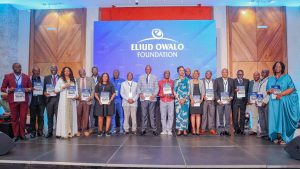
The Guest of Honour, H.E. Henriette Geiger, the European Union Ambassador to Kenya, led the ceremony that was graced by prominent leaders and influential professionals. The Board of Trustees unveiled reads like a who’s who of Kenyan leadership and excellence: Chris Mensah; Justice Joyce Aluoch; Dr. Esther Koimett; Dr. Mary Okelo; Amb. Raychelle Omamo; Eng. Jude Loveday; Amb. Philip Thigo; Angela Wamola; Phyllis Wakiaga; Prof. Hazel Miseda-Mumbo; Amb. Peter Oginga Ogego; Amb. Michael Oyugi; Humphrey Kayange; Ronnie Owino; Dr. Joseph ‘JJ’ Masiga; and Nahashon ‘Lule’ Oluoch.
Governors Anne Waiguru (Kirinyaga), Ken Lusaka (Bungoma), and Wilber Otichilo (Vihiga) attended the event alongside former Governors James Ongwae and Jack Ranguma. Other dignitaries included former CS Raphael Tuju, Kenya’s Permanent Representative to UN-Habitat Susan Nakhumicha, and SMACHS Foundation CEO Charlene Ruto.
Also present were Principal Secretaries Rebecca Ombam (Trade) and Ismail Madey (Youth Affairs), as well as top CEOs and corporate executives including Shafana Rajani-Kanani (Aga Khan Development Network), Geoffrey Odundo (Nation Media Group), Paul Illado (Radio Africa Group), Joseph Ogutu (Mpesa Foundation), and Bernard Osoro (Co-operative Bank).
“At the Foundation, we believe that with strategic partnerships, we can build a future where no youth, woman or Kenyan is left behind,” Owalo said in his keynote address.
The Eliud Owalo Foundation (EOF) aims to drive inclusive empowerment through education, youth innovation, and sustainable community development—a reflection of Owalo’s long-term vision to blend philanthropy with grassroots impact.
Beyond his official duties and foundation work, Owalo also serves as patron of Gor Mahia Football Club, reinforcing his visibility among Kenya’s passionate football base. Politically, he is among the few from Nyanza—alongside Dr. Raymond Omollo and Opiyo Wandayi—who command a proficient and well-oiled media and communications apparatus, a crucial asset in Kenya’s evolving political battlefield.
As Kenya slowly enters a post-Raila Odinga era, political observers note that leaders like Owalo—those accustomed to striking out on their own and crafting independent paths—are likely to gain incredible mileage. His technocratic experience, national networks, and pragmatic approach to politics position him as one of the faces of Siaya’s next generation of leadership.
In a region where political relevance often fades as quickly as it rises, Eliud Owalo’s trajectory suggests otherwise. He’s not only staying in the game—he’s playing it smarter, broader, and bolder than before.





Leave a Reply