


Cabinet Secretary James Wandayi, joined by regional leaders and elders, accompanied H.E. President William Ruto during a series of development-focused and cultural engagements marking the Piny Luo Cultural Festival 2025 in Migori County. The fifth edition of the festival, held from December 14–17 at landmark sites such as Thimlich Ohinga Caves and Rongo University, attracted more than 10,000 participants. Attendees celebrated Luo heritage through vibrant music, traditional dances like the energetic Ohangla and Benga, competitive sports, artisan exhibitions, and signature cuisine featuring Lake Victoria fish and millet-based staples.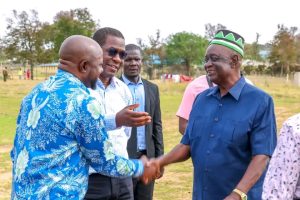
A centerpiece of the President’s visit was his pledge to elevate Thimlich Ohinga, a UNESCO-recognized prehistoric site symbolizing ancient Luo ingenuity, into a fully developed national cultural landmark. The proposed transformation promises enhanced tourism infrastructure, job creation, and long-overdue economic revitalization for surrounding communities. If realized, the initiative could reposition Migori as a cultural tourism hub while restoring pride in a heritage site long admired yet underdeveloped.
Wandayi’s presence, in his capacity as Cabinet Secretary for Energy and Petroleum, added a strategic development lens to the festivities. His engagement hinted at potential investments in off-grid solar solutions and improved petroleum access tailored to Nyanza’s fishing and farming economies. Reliable energy, residents argue, could power irrigation pumps, cold storage for fishers, and agro-processing units—directly addressing persistent grievances about regional marginalization in national resource allocation.
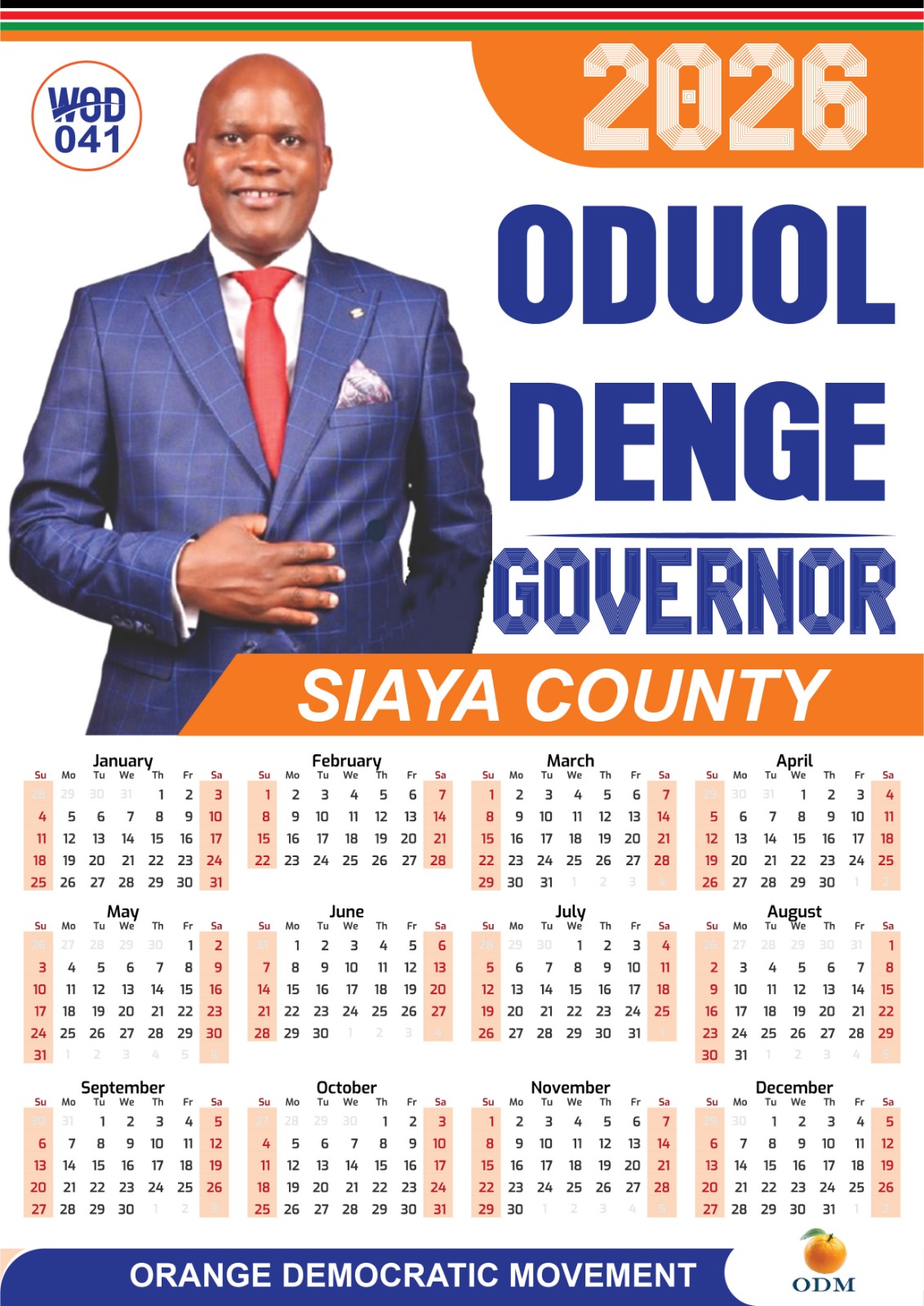
Politically, the festival unfolded against Nyanza’s storied backdrop as a historic opposition stronghold. In this context, the gathering emerged as a notable exercise in soft power diplomacy, bridging ethnic and partisan divides sharpened by the 2022 elections. ODM heavyweight Oburu Odinga, brother to Raila Odinga and an anticipated festival patron, mingled freely with Kenya Kwanza allies. Governors from Siaya, Homa Bay, Kisumu, and host Migori County’s Ochillo Ayacko joined the celebrations, underscoring rare cross-party camaraderie.
Governor Ayacko’s week-long program emphasized youth empowerment, featuring skills workshops, innovation hubs, and forums linking culture to modern livelihoods. The blend of ancestral rituals—such as bull sacrifices and elder blessings—with contemporary elements like digital art displays and e-sports tournaments mirrored Kenya’s broader aspirations for a progressive yet rooted national identity.
Yet beneath the color and optimism, grassroots voices expressed cautious skepticism. Community elders and youth groups called for verifiable timelines and measurable outcomes, recalling past high-profile visits that yielded stirring speeches but limited tangible progress. For trust to solidify, residents want clear metrics: megawatts added to the grid, tourism arrivals projected, and jobs created.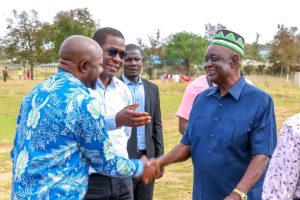
Ultimately, President Ruto’s Migori foray reframed his “hustler” narrative in cultural terms, positioning the presidency as custodian of all Kenya’s diverse ethnic tapestries rather than a regional stronghold. Wandayi’s visibility further countered perceptions of cabinet exclusion for Luo leaders. In a devolved system where county voices demand equitable revenue from tourism levies and energy royalties, the festival became more than celebration—it became a platform for renegotiating partnership. For the Luo nation, resilience forged through centuries of migration and struggle now seeks not applause, but architecture: enduring structures of development that anchor unity beyond partisanship.




Leave a Reply