

 ADVERTISEMENT
 More than 9,000 residents in Gem, Siaya County, are staring at economic ruin following plans by multinational mining firm Shanta Gold to begin large-scale gold extraction in Ramula and neighbouring villages next year.
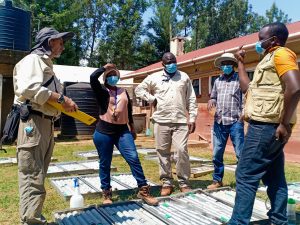
Alarm bells rang during a high-stakes stakeholder meeting in Madeya, Ugunja Sub-county, where mining sector players warned that the entry of the corporate giant could wipe out livelihoods built over decades by artisanal miners, who have long depended on small-scale gold mining for survival.
Stakeholders revealed that artisanal miners are under increasing pressure from both the government and large-scale investors seeking to take over mining sites they currently operate under licences. The situation, they said, exposes glaring gaps in policy and protection for local miners.
Speaking at the forum, Patrick Ochieng, Board Chairman of the Tuwajibike Platform, said the licensing of Shanta Gold to mine in Ramula, Siaya, and neighbouring parts of Vihiga County would fundamentally reshape the sector—at the expense of local communities.
“Large-scale mining is coming in without safeguards for the people who depend on this land for survival. This is a human rights and environmental sustainability issue,” Ochieng warned.
Ochieng faulted both the national and county governments for failing to put in place clear policies to protect artisanal miners, calling for the urgent activation of artisanal mining committees and comprehensive civic education on mining rights.
He cautioned that lack of awareness and exclusion of locals often fuels chaos, sometimes leading to fatal confrontations when investors are abruptly granted mining licences.
The concerns were echoed by artisanal miners themselves. Odero Zachary Nyakwaka, of the Bamboo Artisanal Miners Cooperative, painted a grim picture: while over 9,000 people rely on artisanal gold mining in Ramula, Shanta Gold has indicated it will create only 700 jobs.
“What will happen to the rest of the people?” Nyakwaka posed, drawing murmurs of agreement from the packed meeting.

Participants lamented that communities and small-scale miners are routinely sidelined during the issuance of prospecting and mining licences, only to be ordered out when multinational firms move in.
They demanded a clear framework to regulate relations between multinational companies and artisanal miners, insisting that development should not come at the cost of mass unemployment and social disruption.
Stephen Ohago, a member of the County Mining Committee, urged the government to empower artisanal miners through civic education and cooperative formation, noting that small-scale mining employs far more locals than capital-intensive large-scale operations.
As Shanta Gold prepares to roll out its operations, Gem finds itself at a crossroads—between promised investment and the looming loss of thousands of livelihoods. Without urgent policy intervention, transparency in licensing, and inclusion of local communities, residents fear the much-touted gold rush could quickly turn into a gold curse.
Featured Image: women miners in western Kenya


