

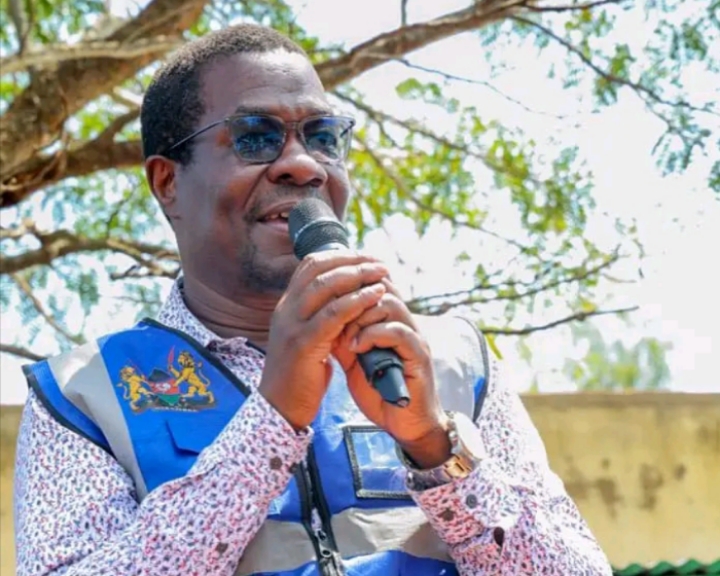
Energy and Petroleum Cabinet Secretary James Opiyo Wandayi has firmly dismissed speculation suggesting a leadership vacuum within the Orange Democratic Movement (ODM). Speaking with authority, Wandayi stated that ODM’s leadership question was conclusively resolved by the National Governing Council (NGC) acting on behalf of the National Delegates Conference (NDC). He described claims of a vacuum as “daydreaming,” emphasizing that the party’s constitutional organs acted decisively and lawfully. His remarks reinforce the message that ODM remains structured, stable, and strategically focused despite shifting political dynamics.
Wandayi’s position carries weight given his long-standing roots in ODM and his political journey from grassroots leadership in Ugunja to chairing the National Assembly’s Public Accounts Committee, and now serving in the national executive. His appointment as Energy and Petroleum Cabinet Secretary symbolized a pragmatic bridge between ODM’s opposition heritage and governance realities. By invoking the authority of the NGC—empowered under Article 13 of the party constitution—Wandayi underscored that leadership transitions are neither accidental nor chaotic. The council’s resolutions confirmed continuity, with Dr. Oburu Odinga steering the party as chairman.
Rejecting narratives of drift or paralysis, Wandayi pointed out that ODM’s internal machinery remains active and purposeful. The party has already set in motion preparations for the 2027 general election, backed by clear interim leadership and functional organs. ODM’s continued strength is evident in its parliamentary numbers, Senate influence, and sustained grassroots mobilization across Nyanza counties including Siaya, Kisumu, and Homa Bay. Claims of a vacuum, he noted, ignore these realities and the party’s ongoing policy engagement.
Wandayi further observed that political speculation thrives in Kenya’s competitive environment, especially following realignments such as the Azimio la Umoja arrangements. However, these shifts have not weakened ODM’s centrality or coherence. NGC resolutions were deliberately designed to avoid uncertainty and internal power struggles, allowing the party to focus on national priorities. Even as global shocks affect fuel prices, Wandayi highlighted ongoing energy initiatives—such as renewable projects and fuel stabilization measures—that demonstrate ODM leaders’ relevance in governance.
Emphasizing substance over theatrics, Wandayi argued that ODM’s settled leadership enhances its ability to balance constructive engagement with firm oversight of government policy. From healthcare and housing to devolution and energy reforms, ODM continues to influence the national agenda. In Nyanza, voter confidence remains strong, reflected in county-level progress in education and infrastructure. The clarity provided by the NGC, he said, eliminates legal and organizational uncertainty.
Wandayi concluded that mature political movements evolve through orderly transitions, not implosion. Unlike parties fractured by succession battles, ODM has blended experience with renewal, positioning itself for a disciplined and competitive future. With sustained dominance in key regions and institutional stability, ODM stands prepared for 2027 and beyond. In his view, the only real vacuum exists in complacency—not in a party that remains constitutionally anchored, active, and politically relevant.
James Kilonzo Bwire is a Media and Communication Practitioner.






Leave a Reply