
 ADVERTISEMENT
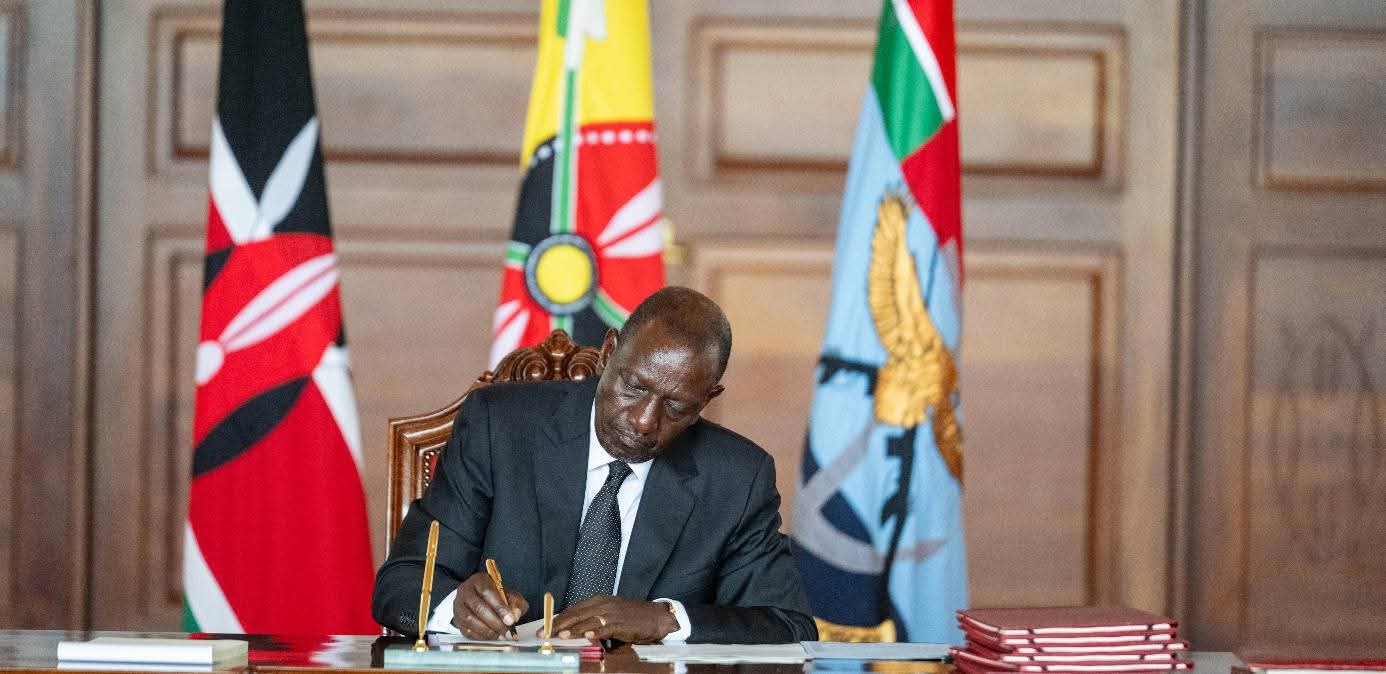
 Kenya’s fiscal landscape has shifted decisively after President William Ruto signed the Supplementary Appropriation Act, 2026 into law, paving the way for a massive funding boost targeting security, education, healthcare, and infrastructure.
The revised budget signals the government’s response to emerging national priorities, expanding expenditure by 9.1 per cent from the initial KSh4.301 trillion allocation. The adjustment injects an additional KSh393 billion, with KSh363.8 billion directed to the National Government and KSh29.2 billion allocated to Consolidated Fund Services.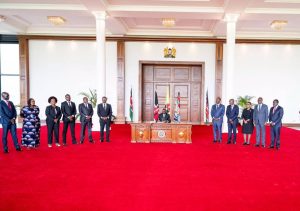
Security emerged as the top beneficiary, receiving an additional KSh60 billion amid rising operational demands. The State Department for Internal Security alone will receive KSh11.9 billion, earmarked for enhanced operations, modernization of police systems, and compensation for victims of recent demonstrations.
The move underscores the State’s focus on stabilizing internal security and strengthening law enforcement capacity.
The education sector secured a substantial boost, with the Teachers Service Commission allocated KSh24.2 billion to plug salary gaps and meet insurance obligations.
Higher education funding has also been reinforced. The Higher Education Loans Board will receive KSh4.1 billion, while KSh3.88 billion has been set aside to clear salary arrears owed to university staff—offering relief to institutions grappling with financial strain.

In healthcare, the government has committed billions to sustain services and address legacy debts. A KSh4 billion allocation will clear pending bills from the defunct National Hospital Insurance Fund, while KSh5.4 billion will support the doctors’ internship programme.
Additional funding will target hospital upgrades and vaccine programmes, signaling a push to strengthen Kenya’s public health system.
The government has allocated KSh25 billion to the Affordable Housing Programme, a flagship initiative under William Ruto’s administration.
Infrastructure development will also benefit, with KSh4.5 billion directed to road projects under the Horn of Africa Gateway initiative.
Agriculture, a backbone of the economy, will receive over KSh17 billion, including KSh10 billion for the fertilizer subsidy programme aimed at boosting food production and cushioning farmers.
Recurrent expenditure has risen by KSh229.4 billion, reflecting increased operational costs, while development (capital) expenditure has been boosted by KSh134.4 billion, signaling continued investment in long-term growth projects.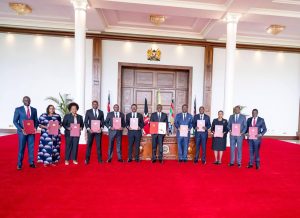
To sustain the expanded spending, the government is turning to enhanced revenue mobilization. The Kenya Revenue Authority has been allocated an additional KSh17.6 billion to strengthen tax collection efforts.
Authorities are also eyeing non-tax revenue streams, including privatization initiatives, to bridge the financing gap.
The Supplementary Appropriation Act, 2026 marks a strategic recalibration of Kenya’s budget—prioritizing security, stabilizing critical public services, and accelerating economic recovery.
As implementation begins, attention now shifts to execution, accountability, and whether the increased allocations will translate into tangible impact for ordinary Kenyans.


