
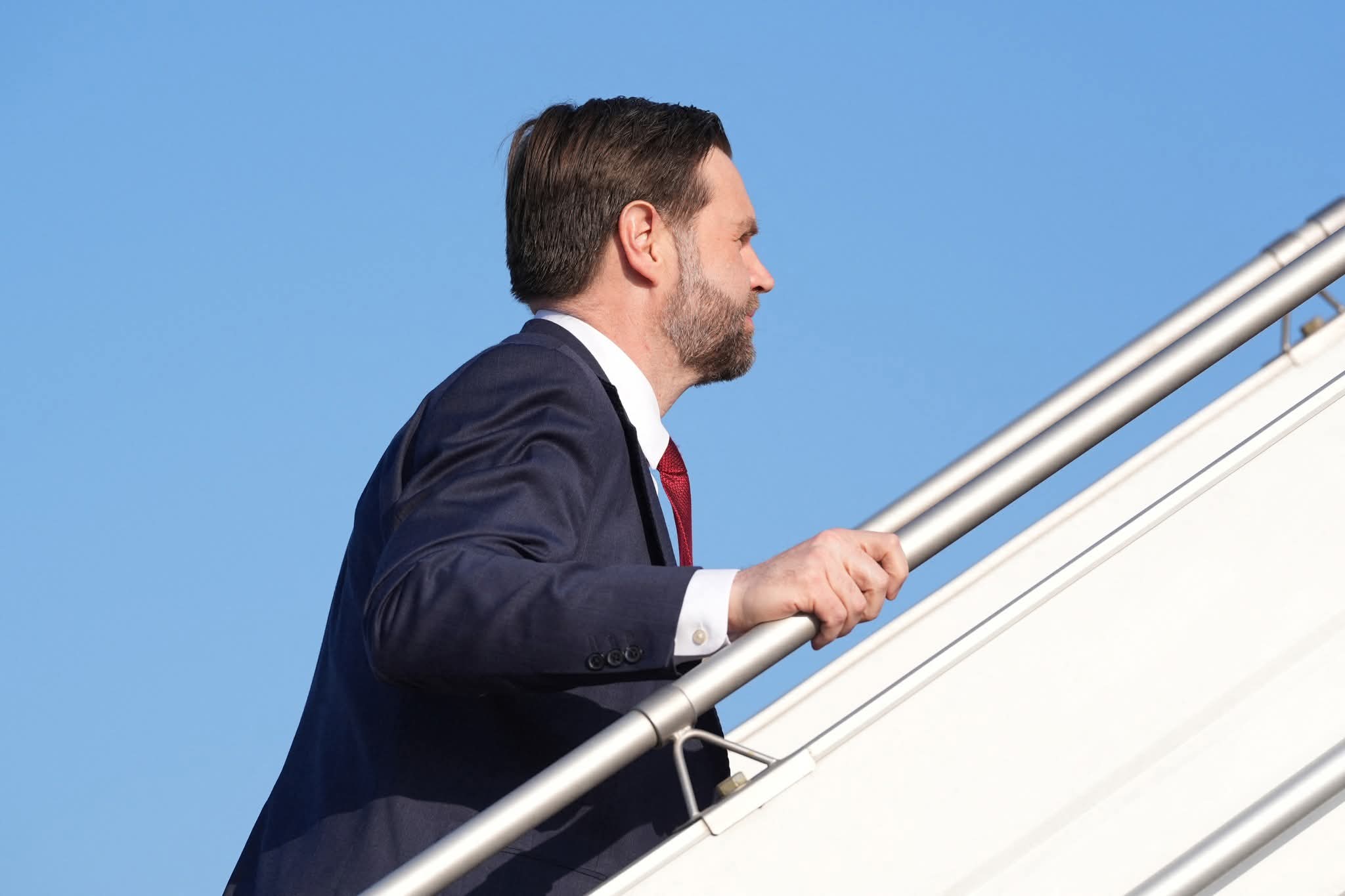
Vice President JD Vance departed Pakistan on Sunday after more than 21 hours of intense negotiations with Iranian officials failed to produce any breakthrough in the ongoing US-Iran conflict.
In a blunt press statement before boarding Air Force Two, Vance confirmed substantive discussions had occurred but Iran refused to accept Washington’s terms.
“The good news is we had a number of substantive discussions,” Vance said. “The bad news is that we have not reached an agreement — and I think that’s bad news for Iran much more than it’s bad news for the United States of America.” He described the US position as its “final and best offer.”
The high-stakes summit in Islamabad marked the first direct high-level US-Iran talks since the 1979 Islamic Revolution. Hosted by Pakistan and supported by Prime Minister Shehbaz Sharif and Army chief Field Marshal Asim Munir, the meeting aimed to resolve key flashpoints: Iran’s nuclear weapons program and unrestricted access through the Strait of Hormuz.
Vance, accompanied by Trump special envoy Steve Witkoff and senior adviser Jared Kushner, thanked his Pakistani hosts for their mediation efforts.
A fragile two-week ceasefire now hangs in the balance, already strained by Iranian restrictions on oil traffic through the critical waterway. Markets remain on edge as the truce expiration approaches.

Vance, a former Iraq war veteran, had arrived hoping for positive results but left with the fragile status quo intact. White House officials say President Trump has been briefed and is prepared to act with or without a deal to protect American interests and global maritime freedom.
As Air Force Two departed Islamabad, attention shifts back to the region’s volatile battlefields — and whether Tehran will reconsider before the ceasefire clock runs out.


