
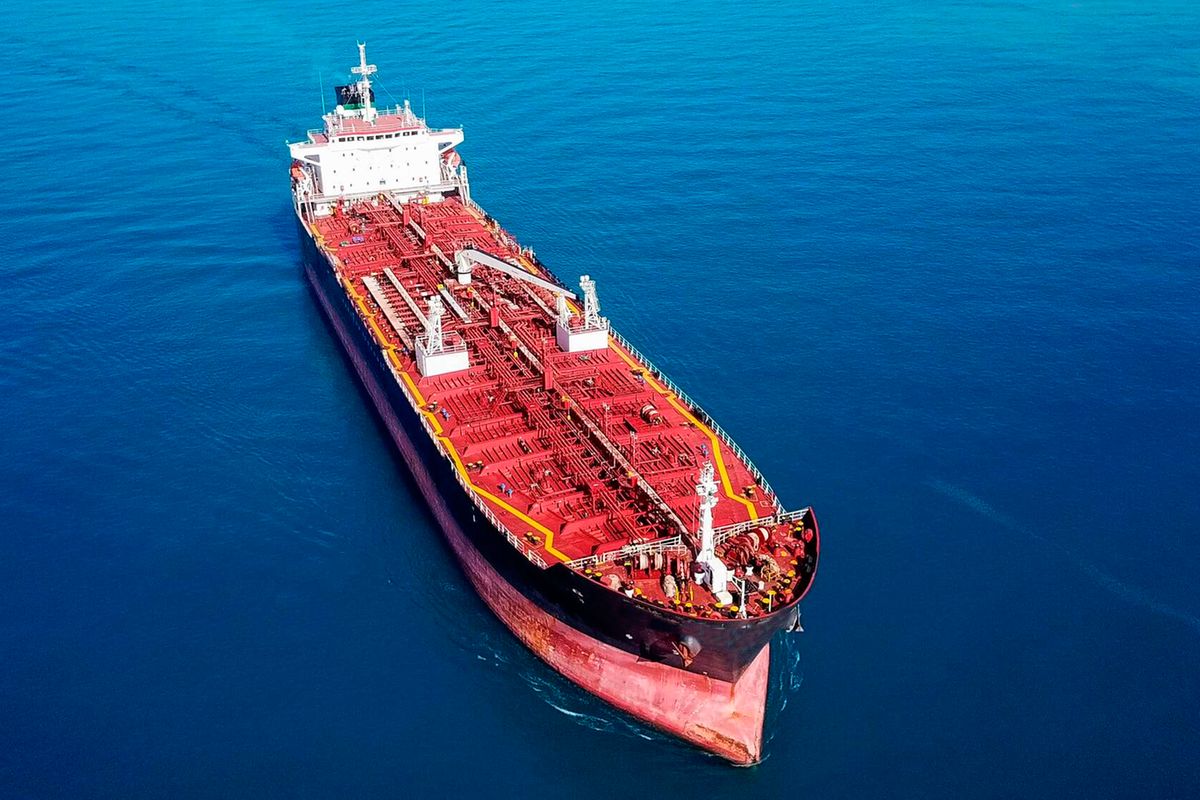
Kenya’s troubled fuel import saga has taken a dramatic new turn as Swiss-owned Oryx Energies Kenya firmly rejects the government’s cancellation of its emergency petrol contract and signals plans to drag the State to court.
The company, contracted in March to supply nearly 96,000 tonnes of super petrol in two shipments to avert an Easter shortage, has hit back hard after receiving a termination notice from the State Department for Petroleum on March 31. In a strongly worded email to then-Energy Principal Secretary Mohamed Liban, Oryx CEO Angeline Maangi declared the cancellation “null and void” and insisted the deal remains legally binding.
“For the avoidance of doubt, in consideration of the fact that the documented instructions from MOEP are contractual and binding, we do not recognize any cancellation, and the purported cancellation is hereby rejected in full,” Maangi wrote. She pointed to Clause 16 of the Open Tender System terms, arguing that none of the specified termination conditions applied in this case.
Oryx warned that the abrupt move had left it in a “materially difficult commercial and operational position” with its international suppliers. The firm said it is now reviewing its options and reserving all legal rights, while remaining open to constructive dialogue to resolve the standoff.
Both Oryx cargoes – the first 36,000 tonnes aboard MT Seaways Milos and the second 60,000 tonnes on M/T Torm Emma – have since been diverted to Tanzania’s Tanga Port after being blocked from entering Kenya’s pipeline infrastructure.
The controversy erupted after a frantic scramble in late March. Petrol stocks had plunged dangerously low, and Uganda declined to release reserves held in the Kenya Pipeline Company network. With pressure mounting to prevent shortages, the National Security Advisory Committee authorised emergency imports outside the usual Government-to-Government arrangements with Saudi Arabia and the UAE.

Four oil marketers submitted bids. One Petroleum and Oryx Energies emerged as the lowest bidders. Contracts were signed on March 25, with One Petroleum delivering its first cargo aboard MT Paloma shortly afterwards.
However, the deals quickly collapsed into scandal. Energy Cabinet Secretary Opiyo Wandayi declared the imports illegal, overpriced – with One Petroleum’s Sh11.8 billion consignment allegedly costing billions more than G2G rates – and potentially substandard. Senior officials, including PS Liban, EPRA Director-General Daniel Kiptoo, and KPC Managing Director Joe Sang, resigned or faced arrest on allegations of economic sabotage. The government ordered the disputed fuel removed from the Kenyan market.
Last week, Wandayi publicly confirmed that the second Oryx cargo would not be accepted into the country’s supply chain, escalating the crisis.
Industry observers warn that the standoff could prove expensive for Kenyan taxpayers. Potential compensation claims, demurrage charges, legal fees, and disputes with international suppliers threaten to inflate the scandal’s cost well beyond the original figures.
Oryx, which has operated in Kenya’s downstream petroleum sector for years and was previously part of major supply chains, maintains it acted on clear government instructions. The company has a history in the market but was dropped from the main G2G diesel supply in 2023.
As investigations deepen and public confidence in the energy sector hits new lows, the Oryx threat marks the first major pushback from a contracted player. Whether the government seeks an out-of-court settlement or prepares for a protracted legal fight will shape the next chapter of this unfolding fuel fiasco.
Kenya’s oil marketers and transporters are watching anxiously, with pump prices already sensitive and supply chain stability under strain amid volatile global markets.
Dalanews Kenya will continue to monitor developments as this high-stakes drama between contractual obligations and government authority plays out. The Energy Ministry has yet to issue a formal public response to Oryx’s position.


