 ADVERT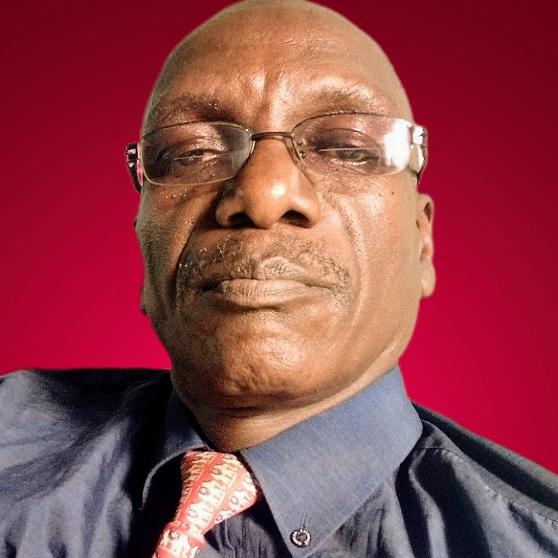
 ADVERT
A senior Jaramogi Oginga Odinga University of Science and Technology (JOOUST) lecturer, Prof. Francis Ang’awa Okere, alongside Meshack Ndiege Okuku and Joash Odhiambo Midindi, will remain in custody after the Siaya High Court rejected their bail application in a high-profile murder case linked to a bitter land dispute.
Earlier on the trio were accused of murdering 73-year-old Denis Achieng on November 15, 2025, along the Orengo-Gul Min Ougo murram road in Nyaguda sub-location, Bondo sub-county. The elderly victim was allegedly attacked amid escalating tensions over family land boundaries.
Today, the accused were released on cash bail of KES 500,000 each but once they gained their freedom were rearrested in connection with suspected abduction and murder of Hezron Nyamburi.
Justice David Kemei ruled against releasing the suspects on bond, prioritizing witness safety. Prosecutors presented compelling evidence that granting bail posed serious risks, highlighted by the abduction and brutal murder of key eyewitness Hezron Nyamburi, 37, on January 16, 2026 – just days before the bail hearing.
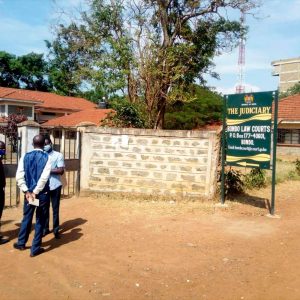
Court records show the accused had previously been granted cash bail by the Bondo Magistrate’s Court. However, an affidavit from the investigating officer revealed that while on bail, they allegedly attempted to obtain details about witness identities and locations, severely hampering the probe and intimidating potential testifiers.
 ADVERT
“The release of the applicants would jeopardize the safety of witnesses and interfere with investigations,” the prosecution argued successfully. The judge ordered the trio remanded until the next court mention, with a pre-bail report pending.
This development has intensified concerns over witness protection in Kenya’s criminal justice system, especially in volatile land dispute cases plaguing Siaya County. Local residents express alarm as police continue probing both Achieng’s killing and the suspicious death of Nyamburi, though no additional charges have been filed against the suspects for the latter.
The case exposes deep-rooted issues of land conflicts turning deadly, shocking the academic community and underscoring risks to those aiding justice. As investigations deepen, the nation watches this gripping trial unfold.


