 ADVERT
 ADVERT
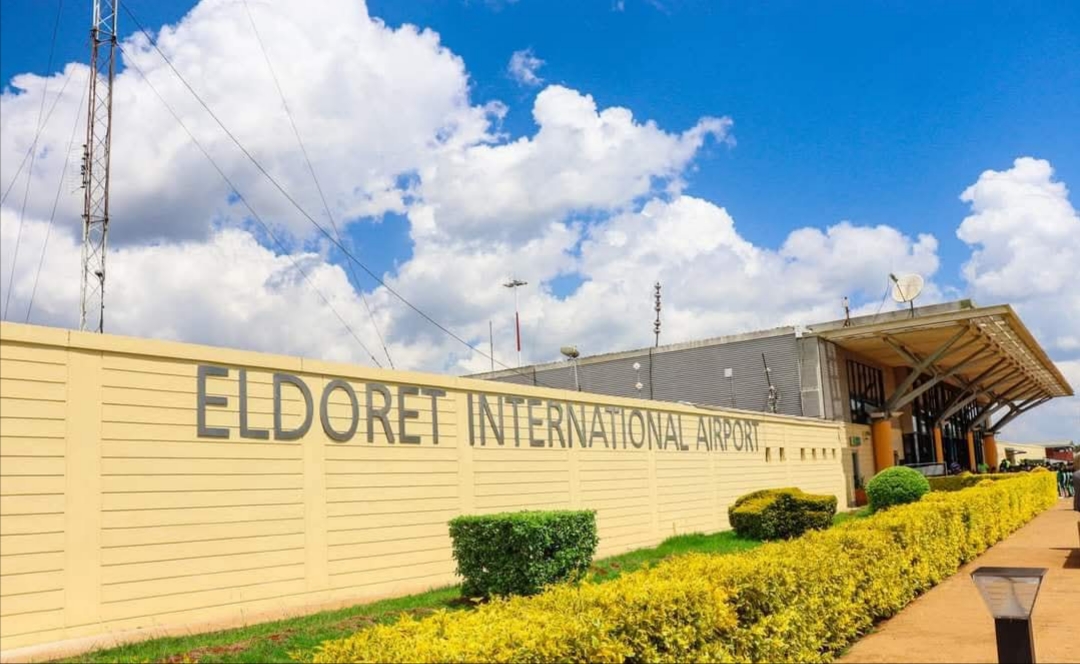
According to reliable sources familiar with operations at Eldoret International Airport, a cargo plane carrying 47 tonnes of goods — 70 percent of them smartphones — landed on Friday, January 23, and was cleared and dispatched across the country within one hour, without undergoing mandatory verification procedures. The incident reportedly resulted in an estimated Sh290 million in unpaid taxes.
“There was no verification as required to enable proper taxation,” the quoted source, claimed. “Instead, importers colluded with rogue officials at the airport to allow the cargo to leave. Let them explain how and why this happened.”
The sources further describe such rapid clearances of high-value cargo without proper checks as having become routine over the past several months, with senior tax officials said to be fully aware of the situation.
“We are losing millions of shillings through this tax evasion,” the same insider added. “We urge top leaders to intervene urgently, or else even toxic goods could find their way into the country.”

Eldoret International Airport, upgraded to handle growing import traffic, processes up to 12,000 metric tonnes of high-value goods annually, according to the sources. Much of this volume is alleged to pass through with minimal or no taxation.
 ADVERT
Previous interceptions underscore the scale of the issue. In September 2025, authorities seized 21,600 smartphones worth over Sh30 million from a single cargo flight, and further undeclared consignments have been reported since.
The sources, including investigators and compliant traders, estimate that Kenya loses up to Sh12 billion annually in unpaid taxes from high-end smartphone imports alone, with untaxed goods flooding the black market and undercutting legitimate businesses.
A separate group of importers has long complained of discriminatory treatment, accusing authorities of failing to curb well-connected tax evaders. Earlier probes cited by sources suggested weekly losses of up to Sh250 million at Eldoret alone.
Last year, following media exposés, Interior Principal Secretary Raymond Omollo chaired multi-agency meetings to confront the crisis. A Multi-Agency Team and Border Control Committee — including the Kenya Revenue Authority (KRA), Kenya Bureau of Standards (KEBS), and other agencies — were tasked with sealing loopholes and dismantling the cartel.
Meeting participants acknowledged serious systemic weaknesses and agencies were directed to submit reports on dismantling the network, sources say. However, little has changed since those October meetings.
“Tax evasion involving importers and airport officials is still rampant,” another source familiar with the investigations said. “A few individuals are getting rich while the country continues to lose millions.”

The same sources further allege that similar cartels operate at the Inland Container Depot in Nairobi, the Port of Mombasa, and Jomo Kenyatta International Airport (JKIA), with patterns of alleged high-level awareness.
By the time of publishing this article, KRA and other relevant authorities had not issued a statement. However, sources indicate that a whistleblower exposé has prompted a meeting scheduled for next week to discuss the latest incident, with more cargo flights expected at Eldoret in the coming days.
As Kenya faces revenue shortfalls and rising public debt, the persistence of these loopholes — according to multiple reliable sources — raises serious questions about oversight, accountability, and the political will to confront entrenched interests. Until decisive action is taken, the losses, and the risks, will only continue to mount.


