 ADVERT
 ADVERT
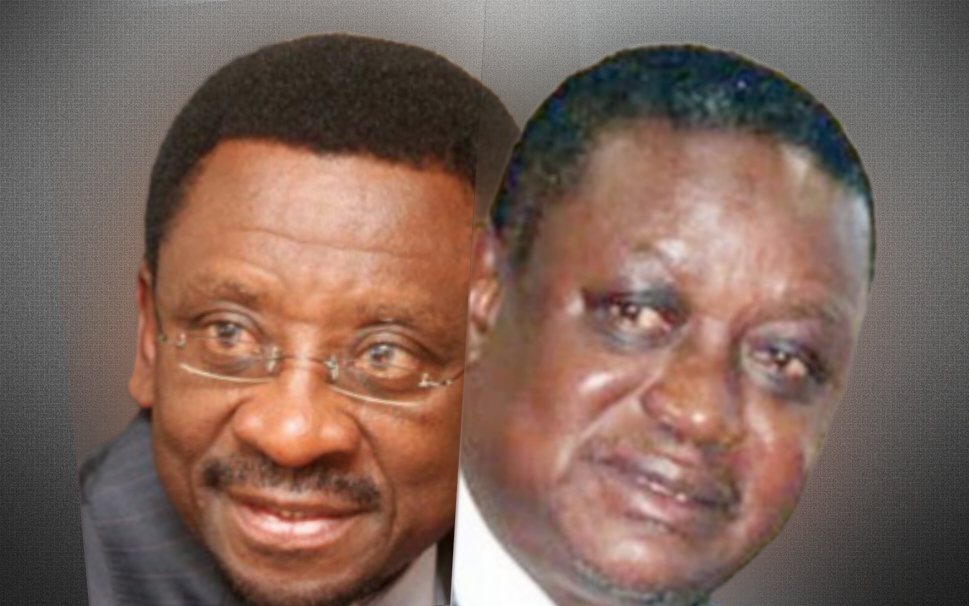
In the wake of Raila Odinga’s passing on October 15, 2025, the Orange Democratic Movement (ODM) Party is grappling with a deepening leadership crisis. At the heart of it: a longstanding, often understated rivalry between Siaya Governor James Orengo and Raila’s elder brother, Dr. Oburu Oginga, the current ODM party leader.
Insiders describe the two as polar opposites in Raila’s inner circle—yet both indispensable. With Baba gone, the gloves are off, and the battle for control of Kenya’s opposition giant risks splitting the party ahead of 2027 elections.
As Raila’s older brother, Oburu commanded deep familial and cultural respect. Sources close to the late ODM founder say Raila rarely made “heavy” decisions without consulting his elder sibling, viewing him as a steadying voice rooted in Luo tradition and political caution.
Oburu’s influence was evident in pivotal moments. He played a key behind-the-scenes role in the 2018 Handshake with Uhuru Kenyatta, helping broker peace after post-election violence. More recently, he was instrumental in ODM’s entry into President William Ruto’s broad-based government, reportedly pushing for the inclusion of loyalists like John Mbadi (Treasury) and Opiyo Wandayi (Energy). When Raila hesitated on deeper cooperation, insiders claim Oburu convinced him to stay the course, prioritizing stability over confrontation.
Today, as party leader, Oburu projects restraint. “I won’t lead our people into risky moves,” he recently declared, dismissing critics while consolidating support in regions like Kisii. His faction—including heavyweights like Hassan Joho, Wycliffe Oparanya, and Junet Mohamed—favors continued engagement with the government, framing it as pragmatic legacy-building.
 ADVERT
James Orengo, the fiery senior counsel, was Raila’s intellectual and legal bulwark. Known affectionately in Luo circles as “Nyatieng'”—a nickname evoking sharpness, impact and youthful vigor—Orengo earned Raila’s unwavering trust despite occasional “sibling-like” rivalries.
The two shared a famously close bond. Defying recent detractors who accused Orengo of misleading the late leader, sources paint a warmer picture: late-night strategy sessions marked by mutual respect and personal camaraderie. Orengo was the sober counterweight to Raila’s boldness, anchoring him legally through election petitions, constitutional fights, and reform battles.
Raila reportedly held “unfaltering belief” in Orengo’s capabilities, often turning to him for unfiltered advice. Yet Orengo’s respect was reserved primarily for Raila—not always extending to Oburu, whom some allies say he views as lacking the grit to lead ODM or unify the Luo community.
The Orengo-Oburu dynamic was never smooth. Even while Raila was alive, frictions surfaced—particularly over ODM’s cooperation with Kenya Kwanza. Oburu publicly criticized Orengo’s resistance, while Orengo warned against diluting the party’s opposition role. Raila himself brokered truces, keeping the peace in Siaya County and beyond.
Orengo has always revered Raila as a brother-in-arms. The same deference, however, did not extend to Oburu. Political observers note Orengo’s skepticism of Oburu’s leadership strength dates back years, viewing him as too conciliatory in a party built on defiance.
Raila’s death has unleashed these tensions. ODM is now split: Oburu’s camp pushes for formal talks with UDA, while Orengo aligns with reformers like Edwin Sifuna, Babu Owino, and Winnie Odinga, insisting the party field its own presidential candidate and honor the “10-point agenda” for accountability.
Recent salvos underscore the bitterness. Ruaraka MP TJ Kajwang accused Orengo of “jealousy” toward Oburu, questioning his moral authority given past opposition to Raila’s decisions. Separate factional meetings in Nairobi and Kisii highlight the divide, with threats of expulsions dismissed but underlying threats looming.
This is no mere family spat—it’s a fight for ODM’s soul and the future of Luo political dominance. Oburu offers continuity and caution; Orengo demands bold reform.
In Kenya’s rough-and-tumble democracy, grassroots support will decide the winner. As one insider put it: “It’s going to be tough, but the side with the majority prevails.”
For now, Raila’s shadow lingers, but the rivalry he once contained is burning brighter than ever. ODM’s unity—and Kenya’s opposition landscape—hangs in the balance.


