 ADVERT
 ADVERT
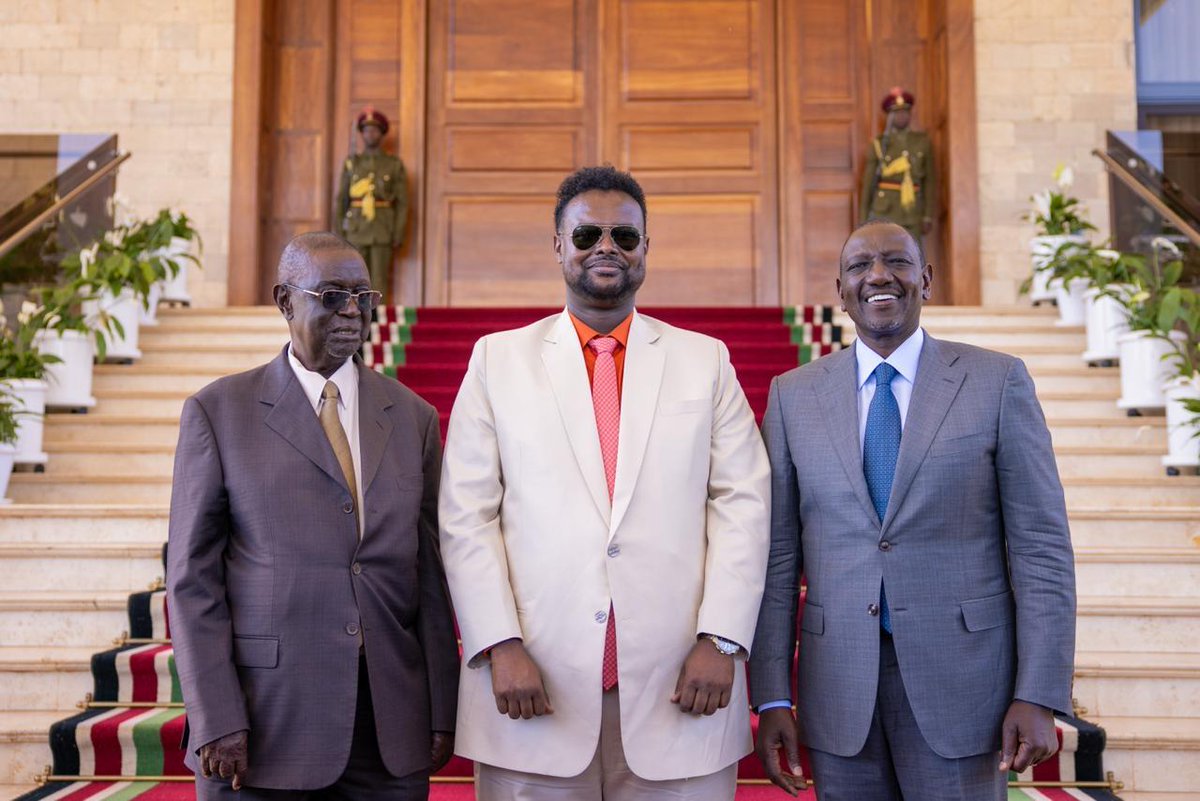
Oketch Salah has emerged as one of the most controversial and enigmatic figures in Kenyan politics following the passing of former Prime Minister Raila Odinga. Once a relatively obscure businessman from Migori County, Salah has thrust himself into the spotlight as a self-proclaimed “adopted son” of Raila, a vocal advocate for ODM’s continued alignment with President William Ruto’s government, and a financier of grassroots mobilization efforts that appear to push Ruto’s 2027 reelection agenda within the Orange Democratic Movement.
Born Mohammed Abdi Salah (commonly known as Oketch Salah) in Migori, he hails from a prominent Somali-origin family that integrated deeply into the local Luo community. His father, Abdi Salah, was a successful entrepreneur who owned Migori’s first bakery (named Salah), the town’s inaugural multi-storey building in the 1970s, a filling station, and other ventures like wholesale stores. The family enjoyed notable wealth for the era, including super bikes and sports cars, and was known for large-scale philanthropy, such as transporting dozens of children to school.
Salah attended local schools like Ombo Primary and Kangeso Secondary (some sources mention Migori Boys), became fluent in Dholuo, and later worked humble jobs in Mombasa as a “loader” before rising to supervisor in transport logistics. His fortunes reportedly grew through ventures in the lucrative gold mining sector in Nyatike, part of the Migori Greenstone Belt—a gold-rich area producing significant output and attracting politically connected investors. Sources describe his wealth as tied to mining, where fortunes are built through underground extraction and high-level connections rather than transparent means.
Salah’s proximity to Raila Odinga reportedly stemmed from longstanding family business ties in Migori and South Nyanza. He accompanied Raila during medical trips abroad (including to India and Dubai), initially positioning himself as a close confidant and even “personal doctor” (a claim debunked by medical unions, as he lacks verified medical credentials). After Raila’s death, Salah claimed the late leader entrusted him with “final wishes,” including directives for ODM to remain in Ruto’s broad-based government, avoid opposition return, and endorse Ruto in 2027 for unity’s sake. He alleged Raila viewed certain ODM figures like Secretary-General Edwin Sifuna as “moles.”
These assertions sparked fierce backlash from the Odinga family, who rejected his “adopted son” label as misrepresentation of private interactions for political gain.
 ADVERT
Salah’s rapid rise has been fueled by apparent “bottomless” cash reserves. He has self-funded youth rallies, merchandise (notoriously blending ODM colors with Ruto imagery), charitable donations (e.g., KSh 200,000 to content creator Obinna, KSh 1 million for community initiatives), and large-scale events like a chaotic KICC youth gathering that ended in “one term” chants against Ruto and his abrupt exit amid boos.
Critics, including ODM Deputy Leader Godfrey Osotsi and others, accuse him of being Ruto’s “key figurehead” or “quiet operative” to destabilize ODM from within, weaken its independence, and fracture loyalty ahead of 2027. Allegations portray him as state-sponsored to sow discord, especially as he operates parallel programs without party approval.
ODM has repeatedly distanced itself: National Chairperson Gladys Wanga clarified his actions are “strictly personal” and do not represent the party. The Odinga family and leaders like Winnie Odinga have denounced his claims. A recent KICC event highlighted the rift, with ODM formally rejecting his activities.
Salah maintains his efforts are self-funded to “popularize and strengthen ODM” at grassroots, reaffirming loyalty while apologizing for any offense. Supporters hail him as a genuine Raila loyalist breathing life into the party post-Raila.
Where did Oketch Salah truly “spring from,” and what sustains his financial firepower? From a privileged Migori business lineage to gold mining fortunes in a politically sensitive sector, his wealth remains opaque—fueling speculation of deeper ties to power brokers. His sudden omnipresence in ODM, bold pro-Ruto push, and rejection by party mainstream raise questions: grassroots savior or calculated disruptor?
As ODM navigates post-Raila realities, Salah embodies the money, myth, and mystery now defining its internal battles. Whether his influence endures or fizzles amid disownment remains Kenya’s hottest political intrigue.


