 ADVERT
 ADVERT
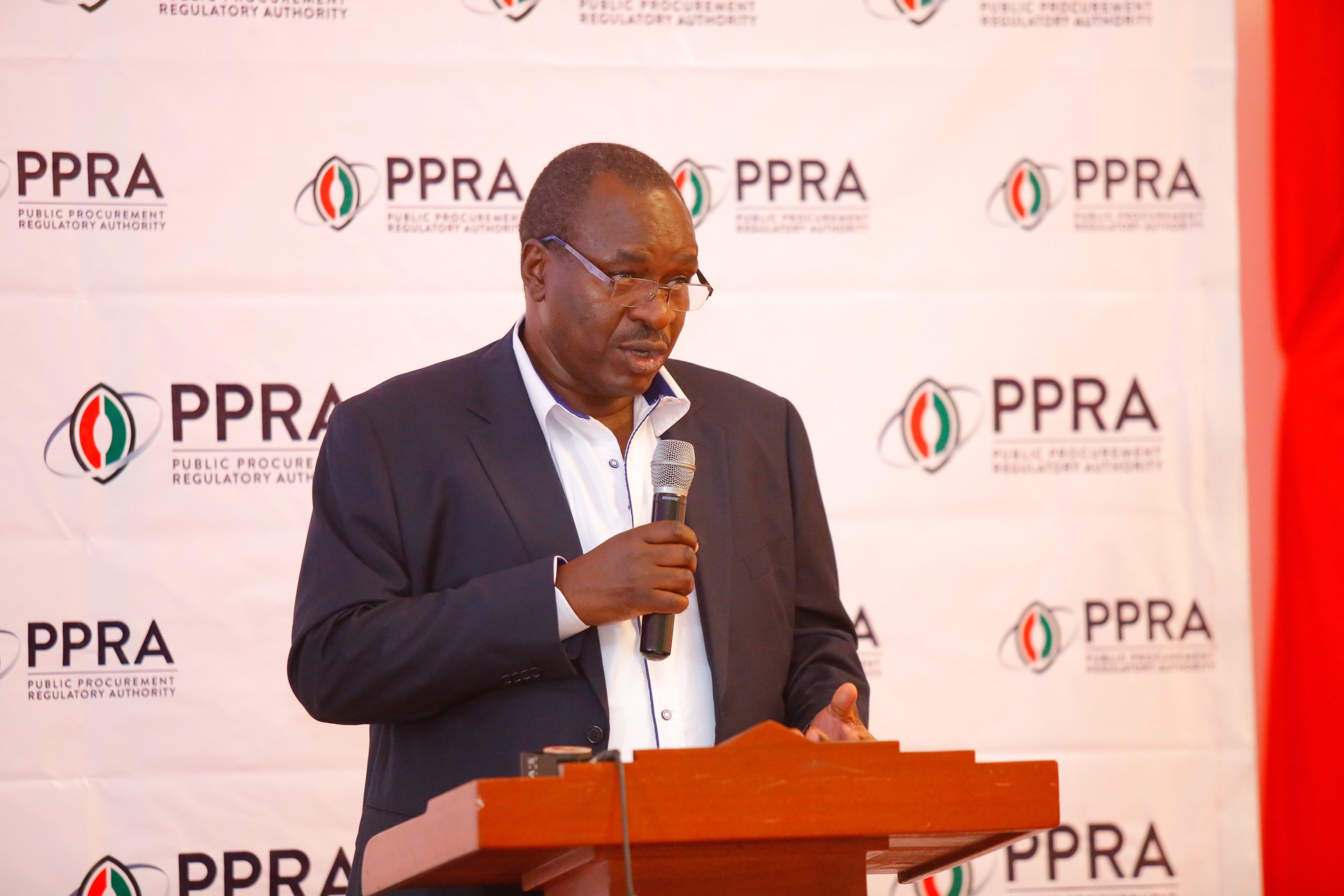
A explosive new report from the Public Procurement Regulatory Authority (PPRA) has lifted the lid on one of Kenya’s most enduring scandals: the public procurement system isn’t just broken—it’s deliberately designed to kill competition, inflate costs, and shield corrupt insiders.
Titled in headlines as revealing how “purchases systems are wired to discourage competition and protect corrupt practices,” the PPRA assessment paints a grim picture of a framework riddled with loopholes that favor connected bidders, enable favoritism, and allow billions of taxpayer shillings to vanish through rigged tenders, proxy companies, and abused direct procurement.
Despite the government’s 2025 push for mandatory e-procurement via the e-GP platform—touted as a game-changer to seal leaks and save up to 10% of the procureable budget—critics say the digital shift has done little to address root causes. Audit reports from the Auditor General continue to flag counties bleeding billions through irregular tenders, substandard work, unqualified contractors, and weak oversight. The Ethics and Anti-Corruption Commission (EACC) notes that up to 70% of county corruption cases tie back to procurement malpractices.
Key red flags from the PPRA and supporting reports include:
– Processes that actively discourage open, competitive bidding in favor of insider deals.
– High barriers to complaints (e.g., prohibitive fees leading to only 100-200 reviews annually despite thousands of contracts).
– Widespread payment delays beyond the 60-day legal limit.
– Persistent bribery, with 2024 EACC data showing 52.1% of respondents witnessing bribes in public offices—often in tender awards.
– Limited transparency and accountability, making it hard to track fraud or enforce sanctions.
 ADVERT
The result? A procurement “fraud market” that persists despite reforms, with corruption estimated to cost Kenya billions yearly—equivalent to a massive drain on public services. From inflated infrastructure contracts to ghost suppliers in counties, the system rewards patronage over merit, fueling impunity that year after year sees the same rot exposed in audits but rarely punished.
As Kenya grapples with high living costs, unemployment, and demands for better governance, this report serves as a stark warning: without bold fixes—like slashing complaint barriers, strengthening whistleblower safeguards, mandating public asset declarations, and dismantling political interference—public procurement will remain rigged against ordinary Kenyans.
The question now is whether leaders will finally act—or let the rigged game continue at the expense of the nation’s future.


