 ADVERT
 ADVERT
In a stunning reversal that signals shifting political winds ahead of the midterms, the administration of US President Donald Trump has officially ended its controversial immigration enforcement surge in Minnesota.
The announcement, delivered Thursday by border czar Tom Homan, brings to a close months of aggressive deportation operations that flooded the Minneapolis–St. Paul area with thousands of federal immigration officers. At its height, the operation marked one of the most forceful interior crackdowns of Trump’s presidency — and one of the most politically explosive.
What began as a hardline show of strength on immigration quickly spiraled into a national flashpoint.
Federal agents made thousands of arrests during the surge, targeting undocumented immigrants the administration described as criminals and public safety threats. But critics argued that many detainees had no serious criminal records, accusing the government of sweeping up working families in broad enforcement dragnets.
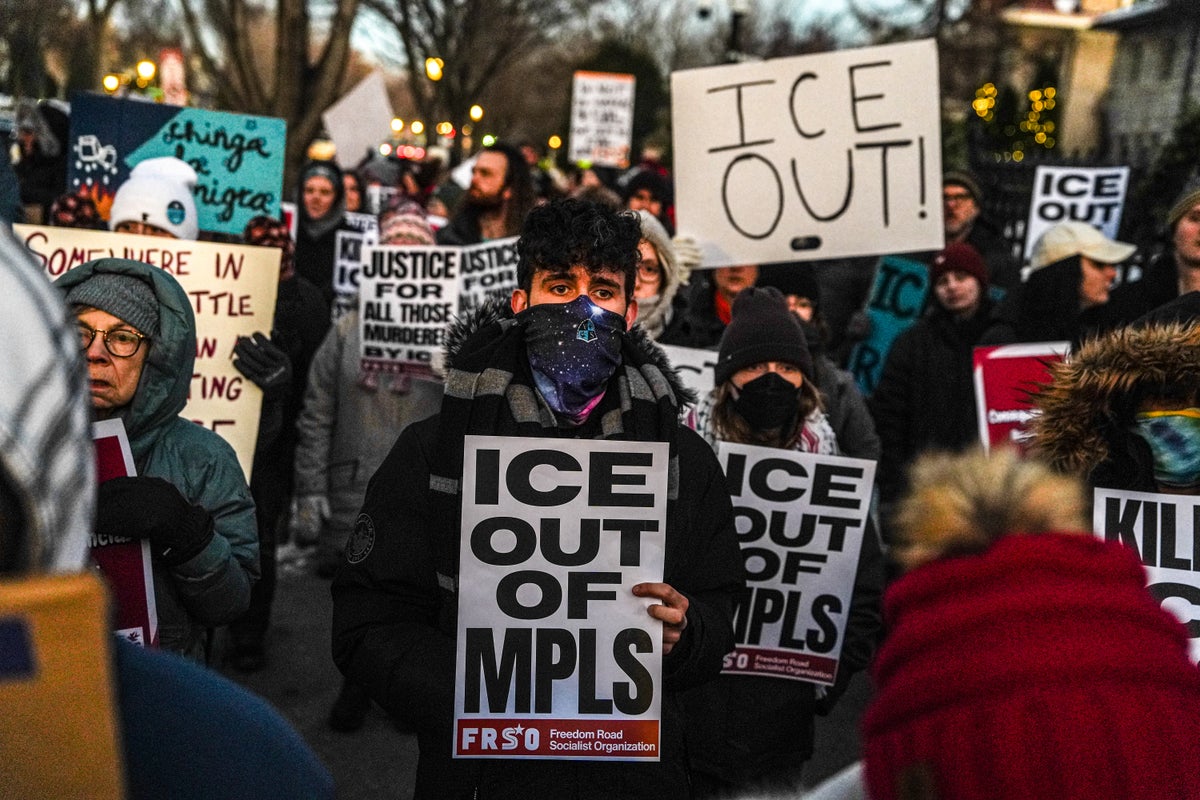
Public outrage intensified after federal agents fatally shot two U.S. citizens during enforcement operations in Minnesota earlier this year — incidents that sparked protests, civil rights investigations, and fierce condemnation from local leaders.
 ADVERT
The backlash did not stay local.
Civil liberties groups filed lawsuits. Faith leaders mobilized. Democratic officials accused Washington of turning immigrant neighborhoods into militarized zones. Even some Republican strategists privately warned that the optics of heavily armed federal raids in American cities were becoming a liability in an election year.
Now, the White House appears to be recalibrating.
Homan said the surge had achieved its objectives and that immigration officers would return to their regular assignments. He emphasized that nationwide enforcement efforts would continue — but acknowledged that the Minnesota “surge phase” was over.
The drawdown also comes amid a broader federal pullback. National Guard deployments linked to immigration enforcement have reportedly been reduced in major cities including Chicago, Los Angeles and Portland — a quiet but notable shift in strategy.
Polls in recent months have shown growing discomfort among Americans with what critics describe as maximalist enforcement tactics. While border security remains a potent political issue, images of raids, detentions and deadly confrontations have complicated the administration’s messaging.
For Minnesota leaders, the end of the surge offers cautious relief.
Local officials who had described the operation as disruptive and destabilizing say communities now face the difficult task of rebuilding trust. Advocacy groups argue that ending the crackdown does not erase the trauma experienced by families caught in the sweeps.
Nationally, the move underscores a broader truth: immigration enforcement may energize a political base, but sustained interior crackdowns carry social and electoral consequences.
Whether the Minnesota retreat represents a temporary pause or a lasting strategic shift remains unclear. What is certain is that one of the most aggressive domestic immigration operations in recent memory has come to an abrupt end — leaving behind legal battles, political scars, and a debate that is far from settled.


