 ADVERT
 ADVERT
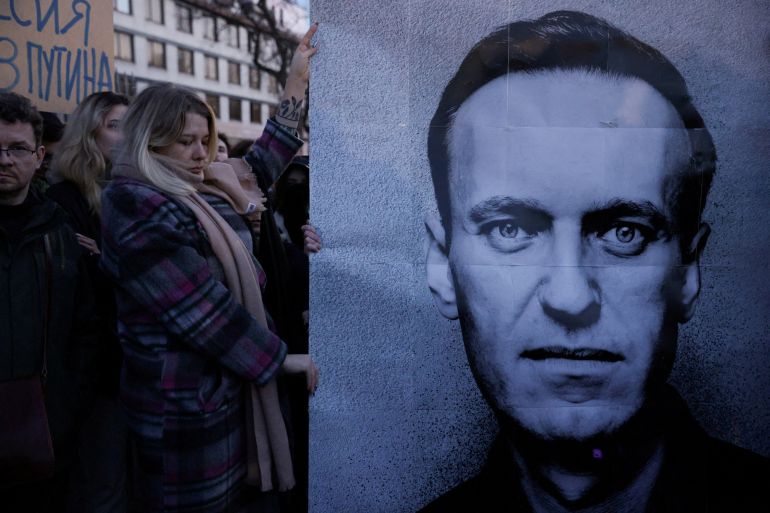
A geopolitical storm is brewing after five major European nations formally accused Russia of poisoning and killing jailed opposition leader Alexey Navalny, escalating tensions with Russia and reigniting scrutiny of Vladimir Putin’s government.
The United Kingdom, France, Germany, Sweden, and Netherlands said laboratory tests on tissue samples from Navalny’s body “conclusively” detected the lethal toxin epibatidine.
In a joint statement delivered during the Munich Security Conference, the governments declared they are confident Navalny was deliberately poisoned.
British officials went further, saying Moscow had the “means, motive and opportunity” to carry out the alleged assassination.
What Is Epibatidine?
 ADVERT
The toxin at the centre of the controversy is naturally found in South American dart frogs but can also be synthetically produced in laboratories. Scientists say it attacks the nervous system, triggering:
Severe shortness of breath
Convulsions and seizures
Dangerous slowing of the heart
Rapid death on contact
European experts suspect the substance used was lab-manufactured.
Russia swiftly rejected the accusations.
Foreign Ministry spokesperson Maria Zakharova told state media she would comment only after the test results are publicly released, dismissing current claims as speculative.
Moscow has consistently maintained that Navalny died of natural causes after falling ill during a walk in the Arctic penal colony where he was serving a 19-year sentence.
The five countries say they are referring Russia to the Organisation for the Prohibition of Chemical Weapons for an alleged breach of the Chemical Weapons Convention.
There was no immediate public response from the watchdog.
Navalny’s widow, Yulia Navalnaya, welcomed the findings, declaring her husband’s killing is now scientifically established.
“Two years ago… it was just words. Today these words have become a science-proven fact,” she said on the sidelines of the Munich gathering.
Navalny — Putin’s most prominent domestic critic — had previously survived a 2020 poisoning with the Novichok nerve agent, which he blamed on the Kremlin.
His death in an Arctic prison on February 16, 2024, stunned the international community and triggered widespread condemnation.
The latest claims also revive memories of earlier high-profile cases Moscow has denied involvement in, including:
The 2018 Novichok attack on Sergei Skripal in the UK
The 2006 polonium poisoning of Alexander Litvinenko in London
With the case now potentially heading to the global chemical weapons watchdog, diplomatic pressure on Moscow is expected to intensify.
Whether the allegations translate into concrete international action — or deepen the already severe rift between Russia and the West — remains the looming question.
One thing is certain: the battle over Navalny’s death is far from over.


