 ADVERT
 ADVERT
Kenya’s march toward nuclear energy has gained fresh political momentum after the National Assembly signaled an aggressive push to strengthen laws and unlock more funding for the country’s Nuclear Power Programme — with Siaya County now firmly in the national spotlight.
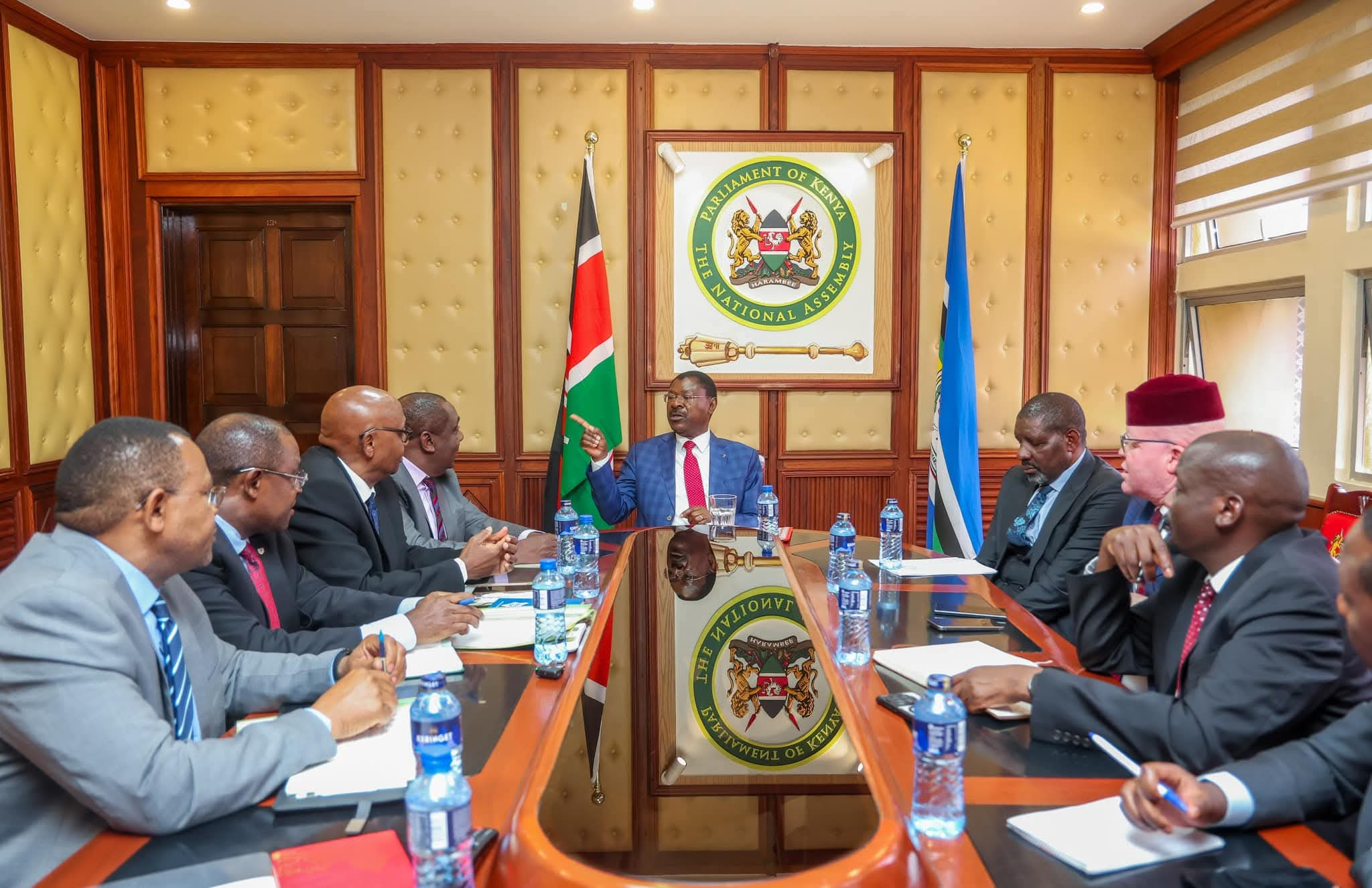
In a high-stakes meeting at Parliament Buildings, National Assembly Speaker Moses Wetang’ula announced that lawmakers are preparing to tighten the legal framework and boost budgetary allocations to accelerate the programme.
The consultations brought together top leadership from Kenya Electricity Generating Company (KenGen) and the Nuclear Power and Energy Agency (NuPEA) — a clear signal that Kenya’s nuclear dream is steadily moving from policy papers toward implementation.
Of particular significance is confirmation that Siaya County is among locations where key milestones have already been achieved, alongside Kilifi County.
For Siaya, the mention elevates the county into the inner circle of Kenya’s long-term energy planning and raises the prospect of transformative investment should the project advance to construction.
 ADVERT
Energy experts say areas linked to nuclear site studies typically experience:
Large-scale infrastructure upgrades
Growth in high-skilled employment
Increased local business activity
Improved grid reliability
While no final siting decision has been announced, the parliamentary attention places Siaya squarely on the national energy map.
Speaker Wetang’ula made it clear that Parliament intends to play a central role in steering the programme forward through stronger legislation and increased funding oversight.
“Nuclear technology has the potential to deliver economic benefits, support climate change mitigation, and advance the Government Development Agenda,” he said.
The Speaker welcomed completion of the Strategic Environmental and Social Assessment (SESA), describing it as a critical milestone that strengthens the foundation of the National Nuclear Power Programme.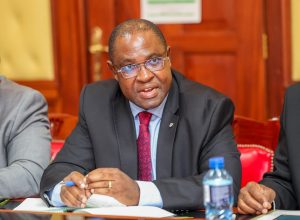
He emphasized that Parliament remains the ultimate custodian of public interest through:
Lawmaking
Budget approvals
Treaty ratification
In a major structural decision, KenGen has been designated the owner-operator of Kenya’s first nuclear power plant.
According to Managing Director Peter Njenga, the utility will oversee the full project lifecycle — from technology selection and bid evaluation to contract negotiations, project management, and licensing.
The move places KenGen at the heart of what is expected to be Kenya’s most capital-intensive energy project to date.
NuPEA chair Lawrence Gumbe delivered a blunt message to lawmakers: Phase II of the programme will require substantial financial commitment.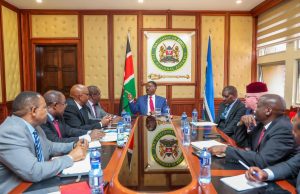
Any delays in funding approvals, he warned, could significantly inflate overall project costs — underscoring the urgency now facing Parliament and the Treasury.
KenGen board chair Alfred Agoi Masadia urged Members of Parliament to spearhead public education campaigns in their constituencies.
He noted that direct engagement will be essential to:
Demystify nuclear energy
Counter misinformation
Build community confidence
The call carries particular weight for counties such as Siaya, where early public perception could determine the project’s social licence.
NuPEA CEO Justus Wabuyabo appealed to the National Assembly to formally designate the Nuclear Power Programme as a Project of Strategic National Importance.
Such a declaration would fast-track land acquisition, streamline approvals, and send a strong signal to international partners that Kenya is serious about joining the nuclear energy club.
With Parliament now openly championing nuclear development, Siaya finds itself at a potentially historic crossroads.
If the programme advances to the next phase, the county could emerge as a key beneficiary of Kenya’s clean energy transition — but success will depend on sustained funding, rigorous regulation, and, critically, public trust.
For now, one reality is unmistakable: Kenya’s nuclear ambitions are no longer theoretical — and Siaya is firmly in the frame.


