 ADVERT
 ADVERT
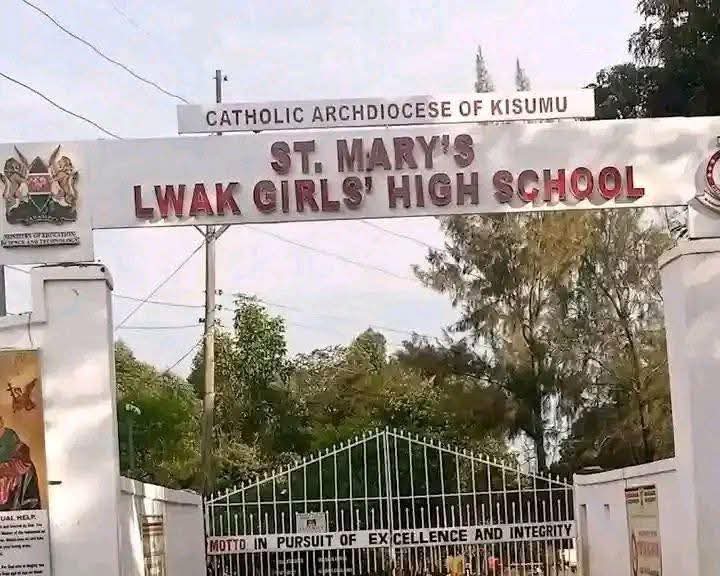
A fresh storm over religious freedom is brewing in Siaya County after St. Mary’s Lwak Girls High School – a prestigious Catholic-sponsored national institution – allegedly barred a 15-year-old Muslim student from wearing her hijab, despite explicit assurances during admission.
The controversy has escalated rapidly, with Parliament intervening on February 26 and Basic Education Principal Secretary Julius Bitok ordering the girl’s immediate return to class “as soon as today.”
Fifteen-year-old Samira Ramadhan (also known as Saira or Samira Ali Ramadhan) joined Grade 10 at Lwak Girls in Rarieda Sub-County on January 13, 2026, beaming with pride as a KPSEA top performer heading to a Category One national school.
Her mother had directly asked admissions officer Miss Ogenga: “Are Muslims allowed to wear hijabs here?” The answer was a firm “yes.” Samira recalled being told there were already Muslim students on campus and that her faith would be respected.
But the promise crumbled within days.
 ADVERT
“After three days, Sister Melanie called me and said I should remove the hijab,” Samira told reporters. “I’ve been harassed by learners, sisters, and the administration ever since. I’m the only one wearing it, and I can’t concentrate.”
She added that the school priest later told her the initial allowance was temporary and that “this is a Catholic school – hijabs are not allowed.” Reports also surfaced of pressure to attend Catholic Mass.
Samira’s father, Nasib Ali Ramadhan, confirmed the family paid full term fees before deciding enough was enough. “Nilikuwa nimemalizana na school fees ya hii term, nimeamua kutoka na mtoto wangu nimpeleke kwenye wanakubali Waislamu,” he said in frustration.
The family withdrew her to protect her dignity and faith.
The case exploded into national headlines after Garissa Woman Representative Amina Siyad raised it in Parliament’s Public Accounts Committee on February 26, describing it as clear religious discrimination.
Teso South MP Mary Emase invoked Article 27 of the Constitution: “No person, not even a child, should be discriminated against because of her religion.”
Butere MP Tindi Mwale, chairing proceedings, was blunt: “The constitution is very clear. You do not discriminate according to religion… That girl is supposed to be allowed to go to that school.”
PS Julius Bitok admitted the learner had been removed and pledged swift action: “I will ensure the girl gets back to school as soon as possible… as soon as today.” He noted conflicting reports from the sub-county education office and the school, promising a full probe while insisting “there should be no discrimination whatsoever on matters of religion.”
Health CS Aden Duale weighed in strongly, declaring: “A Muslim girl can wear a hijab and go to school – just like a Sikh can wear a turban.”
The incident is not isolated. Muslim leaders, including the Siaya Muslims Association chair Ibrahim Otieno, have long complained that girls in non-Muslim schools are forced to abandon core religious practices.
It also revives debate around the Supreme Court’s 2019 ruling, which affirmed that every school has the right to set its own dress code – a decision that overturned an earlier Court of Appeal verdict allowing hijabs in church-sponsored institutions.
Yet critics argue the government’s centralized placement system now funnels Muslim learners into faith-based schools without adequate safeguards, leaving families with few transfer options.
As Samira awaits reinstatement, the message from Nairobi is unmistakable: constitutional rights trump uniform policies when faith is at stake.
Will Lwak Girls comply – or will this become a landmark test case for religious accommodation in Kenya’s classrooms?
Parents, educators, and faith leaders are watching closely. The coming days could redefine how Kenya balances school autonomy with the fundamental right to worship.


