 ADVERT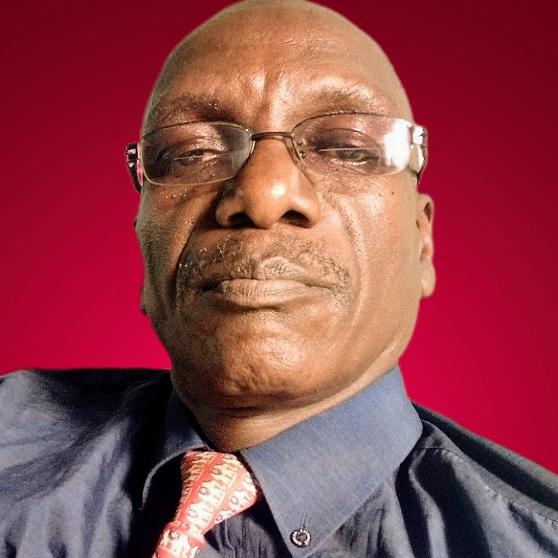
 ADVERT
The resignation of Homa Bay Deputy Governor Joseph Oyugi Magwanga on 26 February 2026 has ripped open what many in Nyanza politics quietly described as an inevitable divorce. In a terse statement, Magwanga cited “unbearable frustrations,” a locked office, and an inability to discharge his duties—pointing squarely at Governor Gladys Wanga. Hours later, he made his intentions crystal clear: he is running for governor in 2027. The man who stepped aside in 2022 after Raila Odinga personally persuaded him to back Wanga’s ticket is now free to settle old scores.

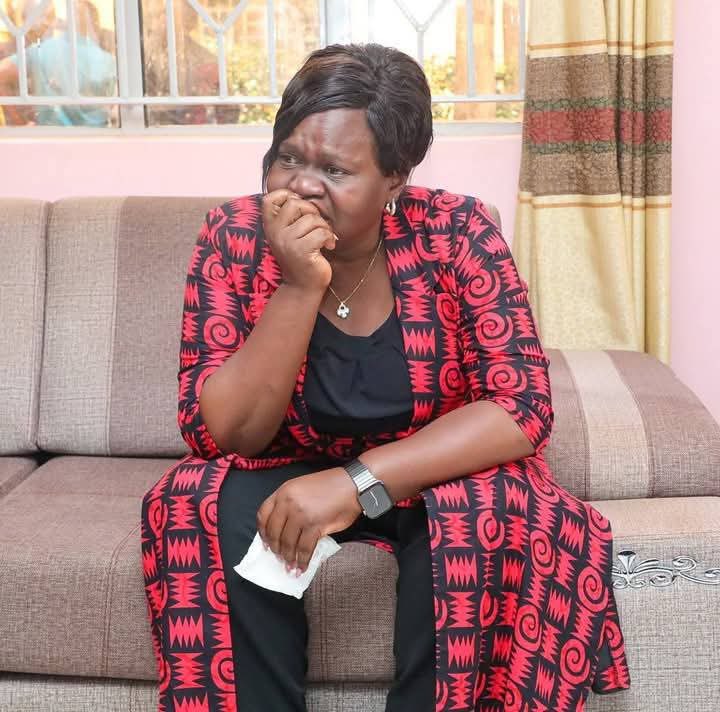
This is not mere personal drama. It is the latest fracture in a county ODM once regarded as an impregnable stronghold. Wanga, the trailblazing first female governor of Homa Bay, entered office in 2022 riding a wave of party unity engineered at the highest level. Yet the polarity between her and Magwanga was always as stark as the north and south poles. He was the veteran with deep roots in Kasipul and Oyugis; she was the ambitious former Woman Representative backed by the Odinga machinery. The 2022 arrangement was a forced marriage of convenience. That marriage has now officially collapsed.
Political analysts and voters in Homa Bay have long whispered a hard truth: without the explicit, visible endorsement of the Odinga family, Wanga has struggled to project the kind of unassailable authority that Luo Nyanza traditionally demands of its leaders. In 2022 it was Raila Odinga himself who tilted the scales. With Raila no longer on the scene and Dr Ida Odinga’s public interventions focused more on broader ODM unity than on anointing individual county flag-bearers, Wanga finds herself fighting without that historic gravitational pull. Party insiders admit the 2022 ticket only held because the veteran Magwanga was persuaded to play deputy. Now that restraint is gone, the ground beneath Wanga is shifting.

Compounding this is Wanga’s deep entanglement in national ODM succession and coalition wars. As a senior party figure and vocal advocate for ODM either forming the next government or securing the Deputy President slot in any UDA-ODM arrangement, she has become a lightning rod in Nairobi’s high-stakes bargaining. While that national profile brings influence, it also distracts from bread-and-butter county governance and opens her to accusations of neglecting the home front. In a region where voters still punish perceived disloyalty to local priorities, being “mired in succession wars” is a dangerous luxury.
Enter Interior Principal Secretary Dr Raymond Omolo. Recent events have painted a picture of simmering supremacy battles between Wanga’s county administration and Omolo, a prominent son of the soil now wielding significant national government clout. Homa Bay MCAs who quietly visited Omolo’s home to discuss support for President William Ruto’s 2027 re-election were promptly de-whipped from key committees—an action the affected leaders openly linked to their meeting with the PS. Protests in Kisumu and heated exchanges on social media have followed, with some accusing Wanga of targeting a senior State official.
 ADVERT
Whether or not there is direct “State backing” for Magwanga remains speculative, but the optics are unmistakable. A high-ranking government figure from the region is actively courting local leaders in an ODM heartland. If Magwanga—now unencumbered—positions himself as the anti-establishment, pro-development alternative and benefits even indirectly from Omolo’s networks and State goodwill, Wanga’s re-election battle becomes exponentially harder. In Kenyan politics, incumbents rarely survive when their own backyard is penetrated by national government influence.
Put the pieces together: a popular veteran challenger who knows every ward, a governor whose national ambitions have left her exposed locally, an Odinga-family endorsement vacuum, and a State apparatus quietly testing the fences of Nyanza. The result is a scenario in which Gladys Wanga could genuinely lose the ground she fought so hard to capture.
ODM party strategists understand the stakes. A Wanga defeat in Homa Bay would not only be a personal humiliation but a strategic blow to the party’s bargaining power in ongoing UDA-ODM coalition talks. If the governor who doubles as a key party mobiliser cannot hold her own county, questions will inevitably arise about ODM’s ability to deliver the Nyanza vote—and therefore its leverage to demand the Deputy Presidency slot or any meaningful share of power.
To be clear, this is not a foregone conclusion. Wanga’s administration has tangible development projects to point to, and incumbency in Kenya still carries weight. Many voters may yet reward stability over fresh faces. But the warning signs are flashing red. If Oyugi Magwanga mounts a disciplined, well-resourced campaign—leveraging the resentment of those who feel sidelined—and if State actors continue to cultivate alternative centres of influence, the incumbent will be fighting on multiple fronts she cannot afford to lose.
Gladys Wanga has repeatedly urged ODM to “protect its grassroots.” The message applies equally at home. Reconciliation with Magwanga may now be impossible, but ignoring the deeper undercurrents—perceived alienation from the Odinga brand, internal party fractures, and the quiet but determined entry of State players into the county—would be political suicide.
Homa Bay’s 2027 contest is no longer a straightforward re-election. It has become a proxy battle for the soul of Nyanza politics, the future of ODM’s national ambitions, and the extent to which the current administration can reshape traditional opposition strongholds. Wanga set out to make history as the first female governor. The coming months will determine whether she becomes a one-term pioneer—or the leader who watched her political home slip away while fighting fires in distant corridors of power. The ground is moving. The question is whether she can steady it in time.


