 ADVERT
 ADVERT
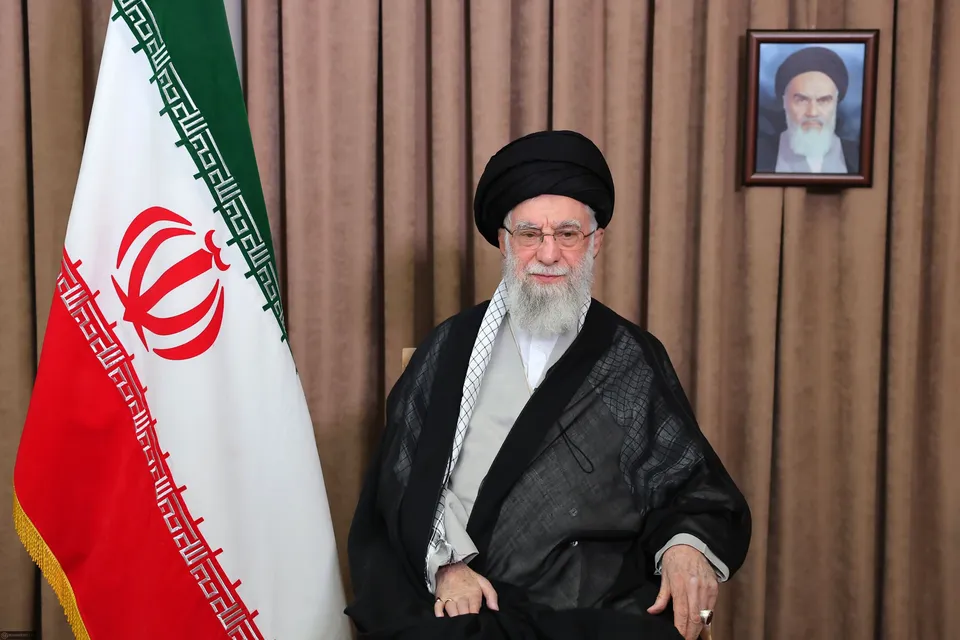
Iran’s Supreme Leader Ayatollah Ali Khamenei is dead, Iranian state media confirmed early Saturday, following a devastating joint US-Israeli military operation that targeted the heart of the Islamic Republic’s leadership.
US President Donald Trump described the strikes as the opening phase of a campaign to topple Tehran’s government, vowing “heavy bombing throughout the week” until the regime collapses. “This is the single greatest chance for the Iranian people to take back their country,” he declared.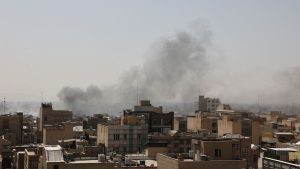
The predawn assault hammered ballistic missile facilities, air-defense systems, nuclear-related sites and senior command centers across Iran. Among the confirmed casualties: Supreme Leader Khamenei, IRGC commander Mohammad Pakpour, longtime security adviser Ali Shamkhani and several members of Khamenei’s inner circle. State television announced the 86-year-old cleric’s “martyrdom” and proclaimed 40 days of national mourning.
Civilian deaths have already drawn international condemnation. Iranian authorities report that one strike completely destroyed a girls’ elementary school in Minab, southern Iran, killing at least 108 students and wounding dozens more. Overall civilian toll stands at a minimum of 133 dead and over 200 injured, according to initial state-media figures.
Iran responded within hours, launching waves of ballistic missiles and drones at US military bases in Bahrain, Qatar, Kuwait, the UAE and Jordan, as well as major population centers in Israel. Strikes hit Tel Aviv, Dubai and Abu Dhabi airports—disrupting air traffic, forcing flight cancellations and igniting fires at several locations. Oil tanker movements through the Strait of Hormuz slowed sharply amid fears of further escalation.
 ADVERT
The Pentagon reported no American combat casualties in the opening exchanges, though damage assessments continue. Israel said one person was killed and 121 injured, most lightly, while UAE officials confirmed one death, seven injuries at Abu Dhabi airport and four staff members hurt in Dubai.
The United Arab Emirates called the unfolding events a “historic moment” for the Middle East, sharply criticizing global powers for failing to prevent the spiral toward wider war. Saudi Arabia and Israel, long vocal opponents of Tehran’s nuclear and regional ambitions, quietly supported the initial US-Israeli action.
With Khamenei’s death, analysts warn Iran faces a dangerous power vacuum at the apex of its theocratic system. Succession mechanisms exist on paper, but the speed and scale of the decapitation strike have left the clerical-military elite reeling.
As explosions still echo across the region, the world braces for what comes next in a conflict that has already redrawn the strategic map of the Middle East.


