 ADVERT
 ADVERT
The Pentagon on Tuesday named four of the six U.S. soldiers killed by an Iranian drone attack, painting a poignant picture of everyday reservists from Florida, Nebraska, Minnesota, and Iowa who answered the call to keep troops fed, fueled, and fighting.
The fallen — all members of the Army Reserve’s 103rd Sustainment Command based in Des Moines, Iowa — died March 1 when an Iranian unmanned aircraft slammed into a tactical operations center at Port Shuaiba, a key logistics hub in Kuwait. They were among the first American casualties of “Operation Epic Fury,” the U.S.-led campaign that began with strikes on Iran’s leadership just days earlier.
Identified Tuesday were:
– Capt. Cody A. Khork, 35, of Winter Haven, Florida. A veteran who enlisted in the National Guard in 2009 and later commissioned as a military police officer in the Reserve, Khork had deployed to Saudi Arabia, Guantanamo Bay, and Poland.
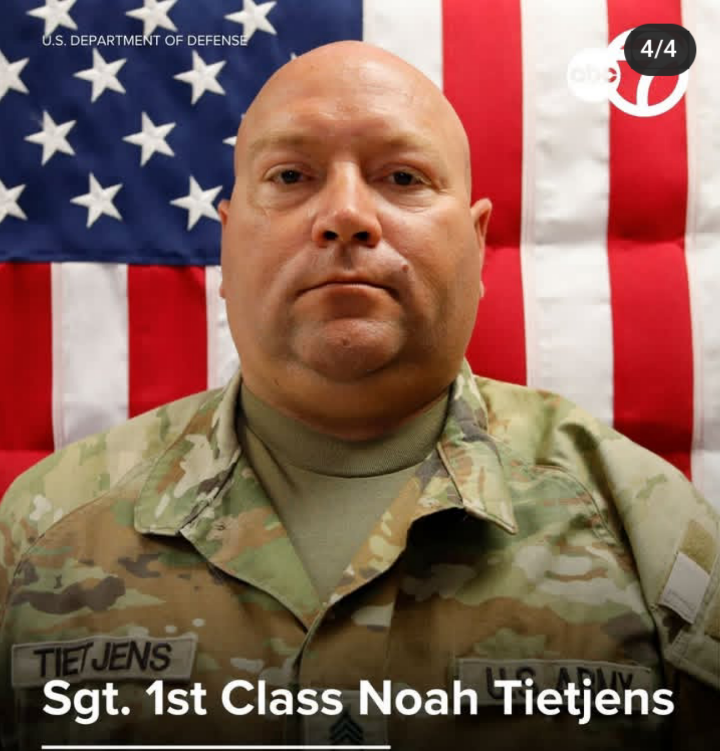
– Sgt. 1st Class Noah L. Tietjens, 42, of Bellevue, Nebraska.
– Sgt. 1st Class Nicole M. Amor, 39, of White Bear Lake, Minnesota. An automated logistics specialist who joined the National Guard in 2005 before transferring to the Reserve.
– Sgt. Declan J. Coady, 20, of West Des Moines, Iowa — posthumously promoted from specialist. The youngest of the group, Coady enlisted in 2023 as an IT specialist, was a Drake University student, an Eagle Scout, and known for building chairs for homeless children.
The two remaining soldiers killed in the strike have not yet been identified, pending notification of next of kin.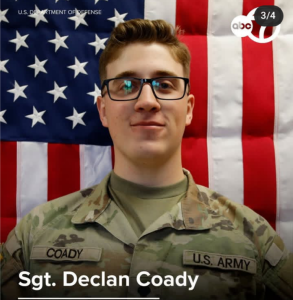
 ADVERT
These weren’t frontline commandos — they were the backbone: logistics experts ensuring American forces had the supplies to sustain combat. “These men and women put it all on the line every single day,” Army Reserve leaders said in a statement. Lt. Gen. Robert Harter, Chief of Army Reserve, added: “We honor our fallen heroes who served fearlessly and selflessly in defense of our nation. Their sacrifice, and the sacrifices of their families, will never be forgotten.”
Iowa Gov. Kim Reynolds mourned Coady specifically, calling him “a young Iowan who heroically answered his nation’s call to duty and gave the ultimate sacrifice.”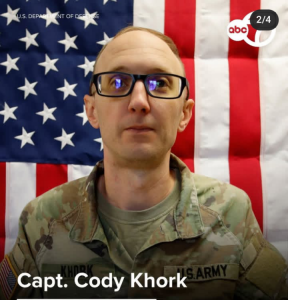
The strike came as Iran retaliated for U.S. and Israeli operations that targeted its supreme leader and top officials, plunging the region into open war. Defense officials said the incident at the makeshift command center — which some insiders had privately questioned for its fortifications — remains under investigation.
Families of the fallen have requested privacy as they grieve. But across hometowns from Winter Haven to West Des Moines, tributes poured in for devoted parents and quiet professionals who balanced civilian lives with weekend warrior duty — only to make the ultimate sacrifice in a conflict that shows no signs of slowing.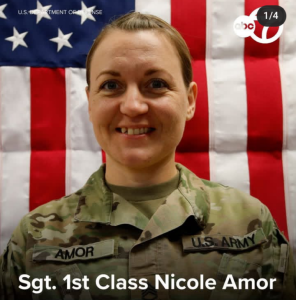
As the death toll in the U.S.-Iran war climbs, these names are a stark reminder: Behind every headline is a life cut short, a family shattered, and a nation reminded of the human cost of power plays in the Middle East.
The Pentagon has vowed to support the families and continue the mission. But for now, a grateful country pauses to honor four who won’t be coming home.


