 ADVERT
 ADVERT
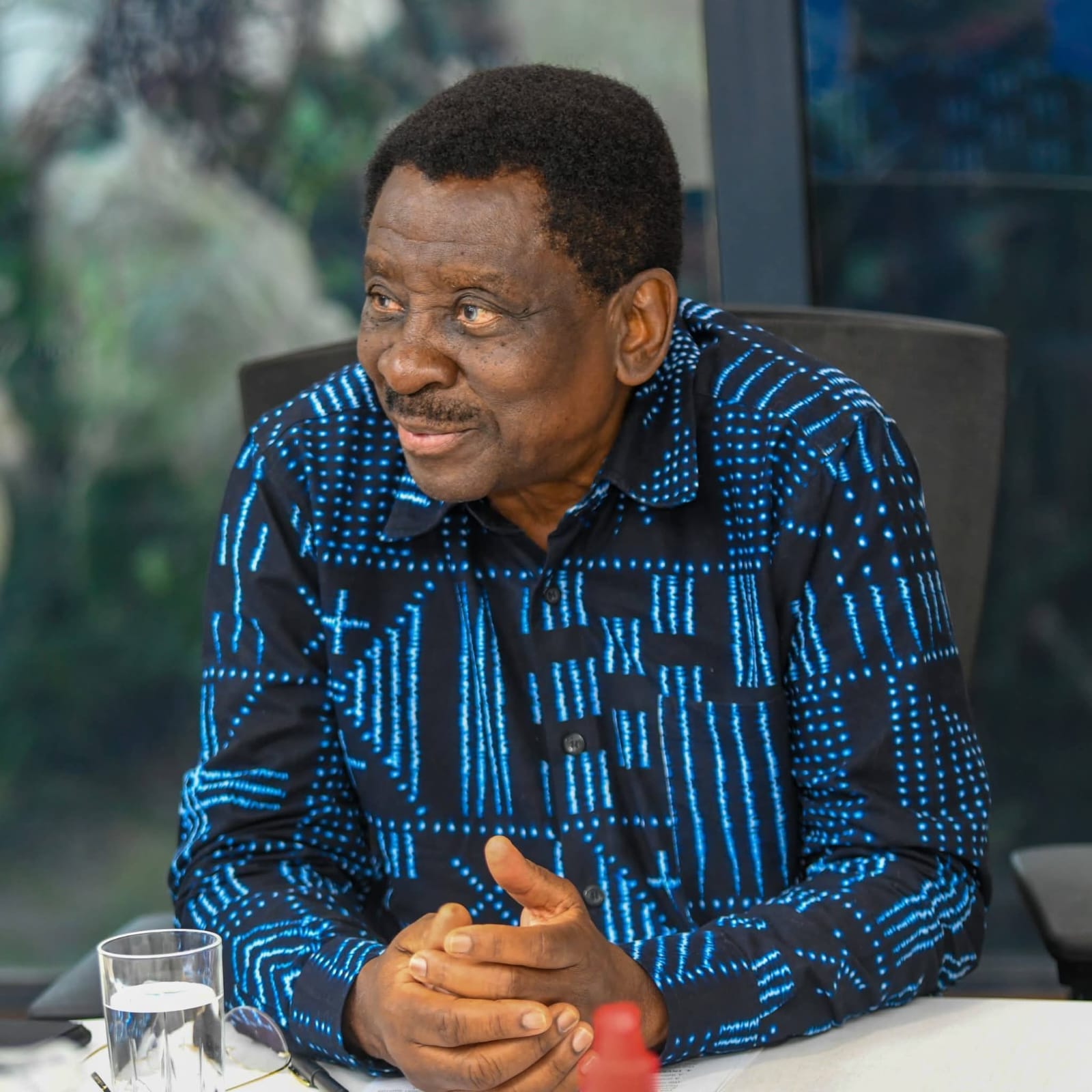
Siaya Governor James Orengo has unveiled a sweeping cabinet reshuffle in what appears to be a calculated push to accelerate delivery of the ambitious Nyalore manifesto—yet the timing is already stirring debate over whether the move may have come a little too late.
In a bold reconfiguration of his executive team, Orengo has assembled what insiders describe as a “tactical unit” aimed at sharpening governance, unlocking stalled projects, and restoring public confidence ahead of the next electoral cycle.
At the heart of the reshuffle is a blend of fresh appointments and strategic retention. Joseph Rading now takes charge of Governance, while Christine Oyuu assumes the Trade docket in a bid to energize local enterprise and investment. Agriculture, a backbone of Siaya’s economy, will now be steered by Willis Okoth, with Erick Odawa tasked with revamping Public Works to fast-track infrastructure delivery.
Tourism, a largely untapped sector in the lakeside county, has been handed to Kut Ochogo, as Neto Adhola takes over the sensitive Lands portfolio—long viewed as critical to resolving disputes and unlocking development. Grace Agola will oversee Education, while George Nyingiro retains the influential Finance docket, signaling continuity in fiscal management.
Complementing the Cabinet Executive Committee Members (CECMs) is a structured lineup of Chief Officers expected to anchor implementation at the departmental level. Walter Okelo remains in Governance, joined by Maurine Awuor (ICT), Joseph Oloo Mboha (Lands), Wilfred Nyagudi (Tourism), and Jared Abayo (Water). The legal framework of the county will be guided by County Attorney Mauma Velma.
 ADVERT
Political analysts interpret the reshuffle as Orengo’s attempt to recalibrate his administration midway through his term—tightening execution and addressing public dissatisfaction over the pace of development.
“The governor has assembled a capable and technically sound team. The real test, however, lies in execution speed and visible impact,” noted a local governance expert familiar with county operations.
The Nyalore manifesto, which formed the backbone of Orengo’s campaign, promised transformative investments in agriculture, infrastructure, education, and youth empowerment. However, critics argue that progress has been uneven, with some flagship projects yet to meet expectations.
This latest shake-up, therefore, signals urgency—a recognition that delivery timelines are narrowing and political stakes are rising.
Yet questions linger. Can a midterm overhaul inject enough momentum to reverse public perception? Will the new team deliver quick wins that resonate with wananchi on the ground?
While the governor’s new-look cabinet exudes competence and renewed focus, the clock is ticking. In politics, as in governance, timing is everything—and Orengo’s gamble now hinges on whether this tactical reset translates into tangible results fast enough to reshape both his legacy and his reelection prospects.
For now, Siaya watches closely as a re-energized administration takes shape—promising delivery, but under the weight of growing expectations.
Editor’s Note: a full list of the reshuffle will be released in our subsequent publications



