 ADVERT
 ADVERT
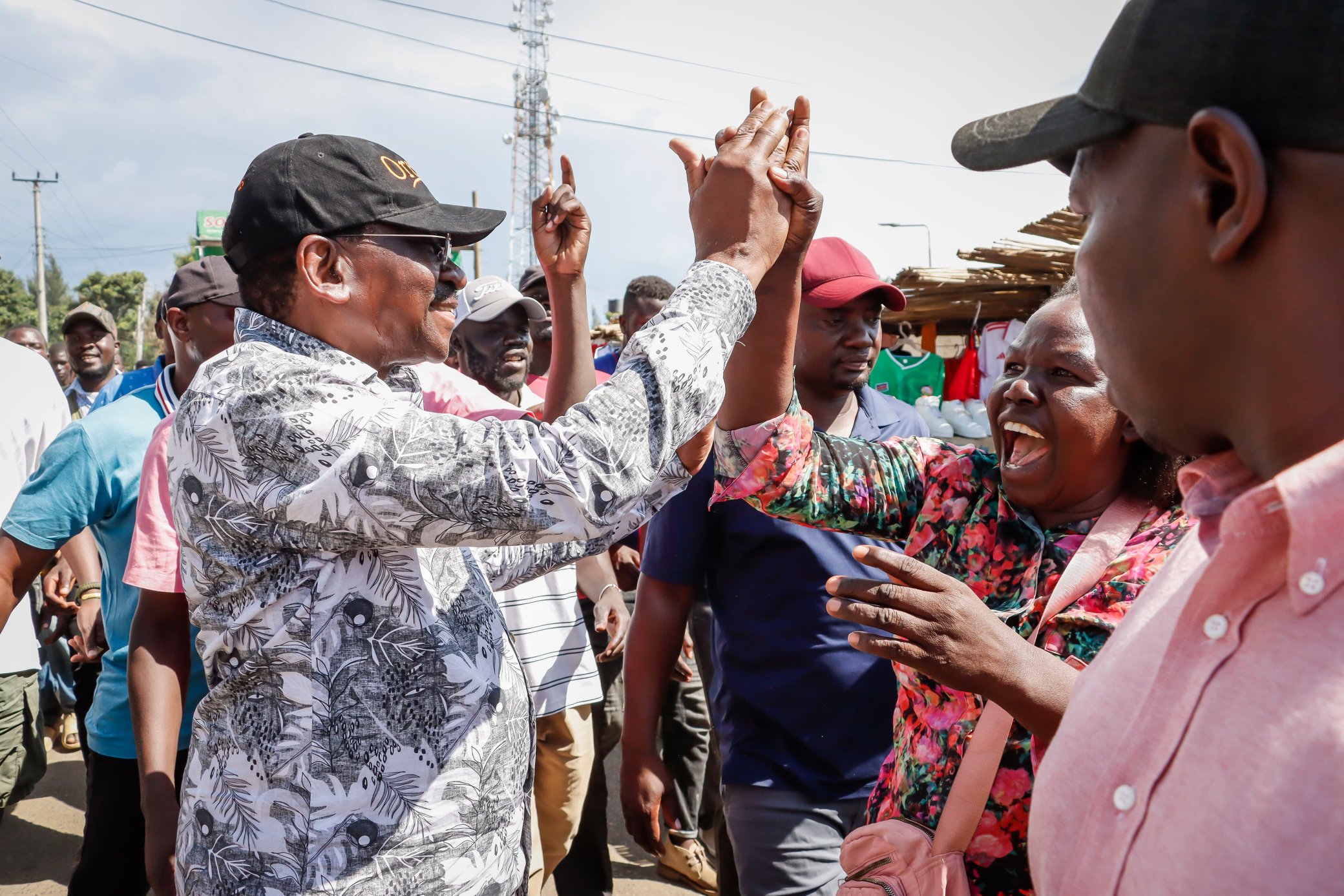
Siaya Governor James Orengo has dramatically declared himself the acting party leader of the Orange Democratic Movement (ODM), signaling a new phase in the party’s evolving leadership dynamics ahead of the 2027 General Election.
Speaking at a charged Linda Mwananchi mega rally in Nakuru on Sunday, Orengo told supporters that ODM must urgently recalibrate its leadership and strategy to remain politically competitive in a rapidly shifting landscape.
“We know the secretary general of ODM is Edwin Sifuna, and now Orengo is the acting party leader of ODM,” he declared, drawing cheers and sparking immediate debate within political circles.
ODM, long associated with its founding leader Raila Odinga, is increasingly facing scrutiny over succession planning and internal cohesion. Orengo’s declaration adds a fresh twist to an already complex transition narrative within one of Kenya’s most influential political parties.
ADVERTThe announcement comes barely weeks after a March 3, 2026 Parliamentary Group meeting endorsed Oburu Oginga as Party Leader following an emergency National Executive Committee (NEC) decision—highlighting emerging factional undercurrents within ODM’s top ranks.
During the same Parliamentary Group session, ODM lawmakers backed a raft of far-reaching resolutions aimed at repositioning the party ahead of the next election cycle. Among them:
Support for structured coalition negotiations with the United Democratic Alliance (UDA)
Endorsement of a working arrangement between ODM and UDA
Approval of the party’s withdrawal from the Azimio la Umoja coalition
Plans to convene a Special National Delegates Convention in March 2027
The lawmakers also committed to pursuing justice and compensation for victims of past election-related human rights abuses, underscoring a broader political and social justice agenda.
Orengo’s bold self-declaration is likely to trigger intense internal consultations—and possibly confrontations—within ODM’s governing organs. It also raises critical questions about the party’s command structure and whether a consensus candidate for leadership can emerge before 2027.
Political observers say the move could either galvanize the party through decisive leadership or deepen existing divisions if not carefully managed.
With ODM simultaneously exploring a coalition framework with UDA and reorganizing its internal hierarchy, the coming months could prove निर्णշ in shaping Kenya’s opposition—and potentially government—politics.
For now, all eyes remain on Orengo and whether his claim to the ODM mantle will be formalized, contested, or recalibrated in the party’s next decisive meeting.
ADVERT



