 ADVERT

 ADVERT
The County Government of Siaya, through its Department of Water, is in advanced talks with Rafiki Maendeleo Trust to secure the future of the Koteyo/Kiswaro water project in South Asembo, Rarieda Sub-County.
The facility, originally implemented by German development partners under the H2O programme, currently serves residents of West Asembo and North Uyoma wards through four water kiosks.
Rafiki Maendeleo Trust Principal, Auscar Wambiya, said the organisation had formally approached the county to forge a long-term partnership that would ensure sustainability of the donor-funded project.
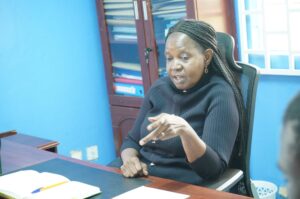
“We are here to notify the Department of Water of the Koteyo project, which was facilitated by a donor, and to find a workable strategy to sustain it after donor exit,” said Wambiya.
“Through the proposed MoU, we aim to expand water coverage to more households while ensuring that the Siaya County Government takes full ownership of the project.”
He noted that the trust had prepared a draft Memorandum of Understanding (MoU) for review by the county leadership, adding that both parties would refine it before a final agreement is signed.
 ADVERT
Welcoming the proposal, County Executive Committee Member for Water, Prof. Jaqueline Oduol, said the partnership would contribute significantly to Siaya’s water coverage, which the county targets to increase from the current 55% to 68% by 2027.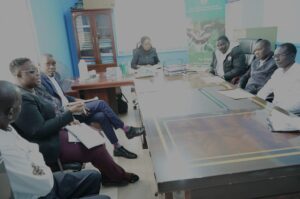
“We cannot achieve the 65 percent coverage target as government alone—that’s why we rely on partners. The entry of Rafiki Maendeleo Trust is timely and strategic,” Prof. Oduol said.
She highlighted lessons from other successful collaborations, such as the Western Kenya Water Project in West Sakwa, where community members and retirees with technical expertise were incorporated into management structures to enhance sustainability.
The county, she added, would carefully scrutinise the draft MoU to ensure compliance with guidelines set by the Water Services Regulatory Board (WASREB), which requires clarity in responsibilities between governments, donors, service providers, and community groups.
“Whoever we deal with, be it a donor, community or other partners, there must be clear stipulations of roles and responsibilities,” she said.
Prof. Oduol further cited the Sh1.2 billion Ugunja–Sega–Ukwala water project, funded by the African Development Bank and implemented by the national government, as an example of the scale of collaboration needed to improve water access.
She stressed that partnerships not only expand service delivery but also encourage communities to be proactive in managing and sustaining water resources.



