 ADVERT

 ADVERT
Nairobi’s glittering skyline of malls, high-rise apartments, and sleek car yards hides a darker story—one of counterfeit fortunes, empty towers, and a thriving underground economy built on fraud and illicit financial flows. At the heart of it is the so-called wash-wash industry, a phenomenon that has leapt from whispered scams in Kilimani backrooms into the national spotlight, exposing the deep rot of money laundering and its corrosive impact on Kenya’s economy.
The Mirage of Quick Wealth
The wash-wash scam is hardly new. Its early iterations resembled street con games—pata potea tricks meant to snare the gullible. But in recent years, the scheme has become more sophisticated, wrapped in the allure of “money-minting machines” and promises of quadrupled fortunes.
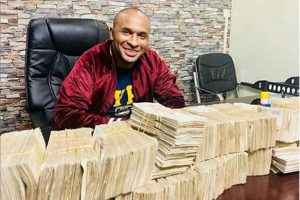
In Kilimani and Westlands, unsuspecting victims—often businessmen chasing quick returns—are shown convincing demonstrations. They hand over KSh50,000 and watch it magically multiply into KSh200,000. What they don’t know is that the “profit” comes from the last victim’s cash, a bait to lure them deeper. Soon, they are urged to sell assets, drain bank accounts, and even take loans for the “next big win.” Inevitably, the machine “develops software problems” or runs out of mysterious imported chemicals. By then, families have lost everything, and victims—fearing exposure as accomplices in fraud—rarely report to police. In some cases, the very victims find themselves arrested while the perpetrators walk free.
From Fake Cash to Real Laundering
 ADVERT
The scams, however, are only one face of wash-wash. The more insidious threat is how billions in criminal proceeds—drug money, stolen public funds, and organized crime loot—are quietly laundered into Kenya’s formal economy.
Much like Pablo Escobar once hid cocaine profits behind “three yellow taxis” in Colombia, Nairobi’s crime barons funnel their fortunes into cash-based service industries. Nail spas, car yards, petrol stations, bars, and high-end boutiques mushroom overnight, often in prime neighborhoods. A nail studio with barely a trickle of clients can “earn” half a million shillings daily on paper. A boutique hires models to parade overpriced second-hand clothes, not to make sales, but to justify millions banked monthly.
“Legitimate entrepreneurs can’t compete,” laments a city trader whose electronics shop folded last year. “While we chase actual customers, they inflate numbers with phantom clients and use it to clean dirty cash.”
The result? Distorted markets, inflated property prices, ghost malls offering rent-free space to lure tenants, and entire apartment blocks lying empty because real buyers or renters cannot afford them.
The Multi-Agency Crackdown
President Ruto’s Multi-Agency Team (MAT), formed three years ago, has clawed back billions in ill-gotten assets under the Proceeds of Crime and Anti-Money Laundering Act (POCAMLA). The Central Bank has tightened its Anti-Money Laundering/Combating the Financing of Terrorism (AML/CFT) framework, while the Kenya Revenue Authority has gone after tax cheats who help disguise illicit fortunes.
One of MAT’s biggest breakthroughs has been unmasking how construction became a laundering hub. Criminals purchased building materials with cash, fueling Nairobi’s concrete jungle of overpriced malls and apartments that stand eerily empty. With KRA now demanding supplier client lists, many launderers have shifted to the service and entertainment sector, where cash transactions are harder to monitor.
Yet, investigators admit the war is uphill. “Every time we close one avenue, they adapt,” a senior intelligence officer confides. “They’re now embedded in politics, financing campaigns to buy immunity. That’s the real danger—when dirty money captures democracy.”
The Political Nexus
Several figures linked to wash-wash empires are said to have bankrolled county and parliamentary campaigns in the last election. Some have even won elective office, shielding their fortunes under the immunity of political influence. Anti-corruption experts warn this risks normalizing criminal infiltration into governance.
“The line between crime money and campaign financing is blurring,” says an anti-money laundering analyst. “When proceeds of fraud dictate who governs, the state itself becomes compromised.”
For now, the spotlight is back on MAT, the Central Bank, EACC, and the DCI to intensify probes into shadowy businesses that “bank millions without customers.” Legitimate enterprises—small shops, genuine developers, family-owned bars—are counting on it.
The stakes are not just economic. Beyond ghost malls and shuttered shops, unchecked wash-wash threatens Kenya’s financial integrity, investor confidence, and political stability.
“Dirty money doesn’t just wash itself,” a veteran investigator notes grimly. “It launders away the future of ordinary Kenyans.”



