 ADVERT

 ADVERT
Tanzania is teetering on the brink of crisis following the disputed October 29 General Election, with widespread protests, mounting casualties, and growing international concern over President Samia Suluhu Hassan’s leadership.
According to a report by African Intelligence, Suluhu allegedly reached out to Kenyan President William Ruto and Ugandan President Yoweri Museveni on the night of October 30, seeking regional support as unrest intensifies. The claims have not been officially confirmed, but diplomatic sources suggest the calls reflect a deepening sense of isolation within Tanzania’s leadership circle.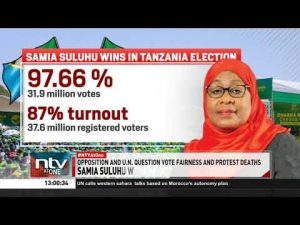
Streets in Turmoil
Across major cities—including Dar es Salaam, Dodoma, and Mwanza—riot police and soldiers have been deployed in large numbers. Witnesses report the use of tear gas, live ammunition, and mass arrests as security forces clash with demonstrators demanding the release of opposition leader Tundu Lissu and the annulment of the election results.
ADVERTEyewitness videos, despite restricted internet access, show plumes of smoke rising from downtown streets as protesters chant against alleged electoral fraud. In Dodoma, roadblocks have paralyzed movement, while in Arusha and Mwanza, gunfire was heard throughout the night.
Unofficial reports indicate dozens have been killed, though opposition figures claim fatalities could number in the hundreds. The Tanzanian police have yet to confirm any casualty figures, further fueling public outrage.
Regional Ripples and Global Alarm
The crisis has begun to spill across borders. At Namanga—the busy crossing between Kenya and Tanzania—several Kenyans were reportedly injured after being caught in clashes. Nairobi has since issued a travel advisory, urging citizens to avoid border towns until calm returns.
In Geneva, the United Nations Human Rights Office condemned the “excessive and disproportionate use of force” by Tanzanian security agencies. UN spokesperson Seif Magango said, “We are alarmed by reports of deaths, injuries, and arbitrary detentions linked to the election protests. We urge the government to respect international human rights obligations and conduct transparent investigations.”
Opposition Outcry and Media Blackout
Tanzania’s opposition has accused the government of staging a sham election designed to entrench Suluhu’s rule. Lissu’s arrest days before the polls, along with the disqualification of other key challengers, has fueled allegations of state manipulation.
Meanwhile, a nationwide internet and media blackout imposed on election day has effectively silenced dissent. Access to X (formerly Twitter), Facebook, and WhatsApp remains restricted, cutting off citizens from sharing information or mobilizing online.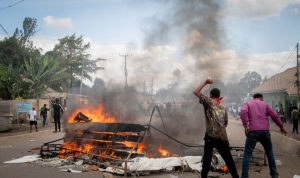
Local journalists report harassment and intimidation, with several detained for covering protests. Among them is Kenyan reporter Shoka Juma of Nyota TV, who was arrested near the Lunga Lunga border while documenting the unrest. His whereabouts remain unknown.
Silence and Speculation
Neither President Ruto nor President Museveni has publicly addressed reports of their alleged phone conversations with Suluhu, though diplomatic insiders suggest the discussions focused on “regional stability and coordinated crisis management.” Western embassies in Dar es Salaam have expressed concern over what they describe as “unprecedented silence” from Tanzanian authorities since election day.
As violence spreads and communications remain cut, Tanzania’s reputation as one of East Africa’s most stable democracies is in freefall. Human rights groups are urging the African Union, the East African Community, and international partners to intervene diplomatically before the crisis deepens further.
With the streets still echoing with gunfire and the government silent, Tanzania stands at a crossroads — between restoring its democratic promise or sliding into prolonged unrest and repression.
ADVERT



