 ADVERT

Green card interviews — once considered a routine final step for spouses of U.S. citizens — are rapidly turning into flashpoints of fear and detention, as the Trump administration intensifies scrutiny of legal immigration pathways.
Across the United States, foreign nationals married to American citizens are being arrested by Immigration and Customs Enforcement (ICE) at scheduled green card appointments, a move immigration attorneys are calling unprecedented and legally alarming.
Among those detained in recent weeks are a British mother holding her infant, a Ukrainian refugee, the wife of a U.S. Navy veteran, and a German man on the verge of celebrating his first wedding anniversary. All arrived at government offices expecting routine interviews — and left in handcuffs.
San Diego has emerged as the epicenter, with several dozen known arrests, but similar cases have now surfaced in New York City, Cleveland and Utah, according to attorneys and local media reports.
 ADVERT
“These are people doing everything by the book,” said San Diego immigration attorney Jan Joseph Bejar, whose client was detained at a USCIS office days before Thanksgiving. “If this spreads nationwide, it will be devastating.”
The Trump administration maintains that the individuals were detained because they had overstayed their visas, an immigration violation that can trigger deportation. But longtime immigration lawyers argue that Congress explicitly carved out an exception for immediate relatives of U.S. citizens, including spouses.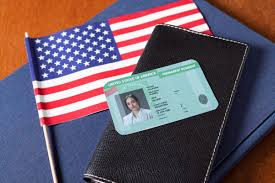
Under U.S. law, spouses of American citizens are eligible to adjust their status to permanent residency even if they were previously out of lawful status, as long as they entered the country legally and have no disqualifying criminal history.
“This was the legal pathway Congress intended,” said Julia Gelatt, associate director of the U.S. immigration policy program at the Migration Policy Institute. “People can easily fall out of status while waiting — sometimes for more than a year — for their green card through marriage.”
The arrests have swept up particularly sympathetic cases, including military spouses and refugees. The wife of a Navy veteran was released on bond and must now fight her case in immigration court. The British mother was freed nearly a week later — her green card ultimately approved — but only after what her family described as a traumatic ordeal.
The legal status of the Ukrainian refugee and the German national remains unclear.
Attorneys stress that all four were eligible for green cards, despite visa overstays.
Once detained by ICE, applicants are routed into the already overwhelmed immigration court system, where government prosecutors can challenge their eligibility. With courts facing yearslong backlogs, attorneys warn that otherwise valid green card cases could drag on indefinitely — at significant cost to both families and taxpayers.
USCIS data shows hundreds of thousands of applicants are currently somewhere in the green card pipeline, many of whom could technically fall out of status during processing.
USCIS spokesperson Matthew J. Tragesser said apprehensions may occur if applicants are found to have violated immigration law, adding: “Overstaying a visa is an immigration law violation that can result in deportation.”
ICE echoed that stance, saying it is enforcing federal law through “targeted operations” that prioritize national security and public safety — even at USCIS offices.
“The Trump administration has been abundantly clear,” Tragesser said. “Aliens must respect our laws or face the consequences.”
For immigration attorneys, the message being sent is chilling.
“People are terrified to attend their own green card interviews,” Bejar said. “That undermines trust in the entire legal immigration system.”
As arrests at routine appointments mount, what was once a hopeful milestone for binational couples is increasingly viewed as a high-risk gamble — leaving families, veterans, refugees and children caught in the crossfire of an aggressive immigration enforcement strategy.
For many married to U.S. citizens, the question is no longer if they qualify for a green card — but whether showing up to claim it could cost them their freedom.


