 ADVERT

 ADVERT
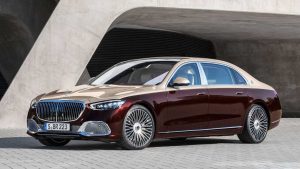
A sleek, champagne-coloured Mercedes-Benz worth Sh10.5 million has thrust Molo MP Kimani Kuria into an uncomfortable national spotlight, reopening an explosive debate about Kenya’s legislators, their expensive tastes, and whether some are living dangerously beyond their means.
At the centre of the storm is a luxury 2015 Mercedes-Benz S600 (Maybach edition), a vehicle synonymous with boardroom power and political clout. Court filings show Kuria acquired the high-end machine mid-last year, reportedly paying a Sh5 million deposit and promising to clear the balance in instalments.
Months later, the deal has soured spectacularly.The financier is now in court, accusing the MP of defaulting on the remaining Sh5.5 million and refusing to release the vehicle for repossession. The car, according to legal documents, is allegedly locked inside Kuria’s upmarket Runda residence, triggering a legal standoff that has become fodder for public outrage and political gossip.
While Kuria has not publicly addressed the claims in detail, the optics are brutal.
Here is a sitting MP—earning over Sh700,000 a month before allowances—embroiled in a dispute over an unpaid luxury car. For many Kenyans battling high taxes, job losses and a rising cost of living, the story feels like a cruel parody of leadership.
Social media users have seized on the Mercedes saga as proof of what they call “elite hypocrisy”: lawmakers preaching sacrifice while cruising in vehicles that cost more than what an average Kenyan earns in decades.
 ADVERT
“This is not just about one MP,” wrote one commenter. “It’s about leaders who want billionaire lifestyles on borrowed money.”
The Kuria episode has reignited scrutiny of MPs’ flamboyant lifestyles—mansions, luxury SUVs, designer wardrobes and, in some cases, helicopters—often displayed openly on social media.
Yet behind the glossy images, insiders whisper of loans, unpaid balances and quiet financial distress.
Political analysts say the pressure to “look successful” is pushing some legislators into risky financial decisions. The Mercedes controversy, they argue, exposes a deeper culture where image matters more than sustainability, and status symbols are treated as political tools rather than personal liabilities.
Ironically, Kuria’s own home was previously attacked during protests over the controversial Finance Bill, a moment that underscored public anger at perceived political excess. That the same MP is now facing questions over an unpaid luxury vehicle has only intensified the backlash.
The timing could not be worse.
As Kenyans demand austerity and accountability from their leaders, stories of unpaid luxury cars strike a raw nerve. Critics are asking uncomfortable questions: If MPs earn millions in salaries and allowances, why are they struggling to service personal luxury loans? And if they cannot manage their own finances, how can they be trusted with public resources?
Civil society voices are now calling for lifestyle audits and tougher enforcement of wealth declarations, arguing that transparency must go beyond paperwork and into real-life conduct.
Ultimately, the Mercedes-Benz dispute is no longer just a private legal matter. It has become a metaphor for a political class accused of chasing elite lifestyles without solid financial footing—sometimes at the expense of public trust.
As the court battle unfolds, the image is already fixed in the public mind: a luxury car, locked behind gates, unpaid for—standing as a stark symbol of a Parliament increasingly out of touch with the realities of the people it represents.
For many Kenyans, the question is no longer about Kimani Kuria’s Mercedes. It is about how many more similar stories are quietly parked behind high walls, waiting to be exposed.


