 ADVERT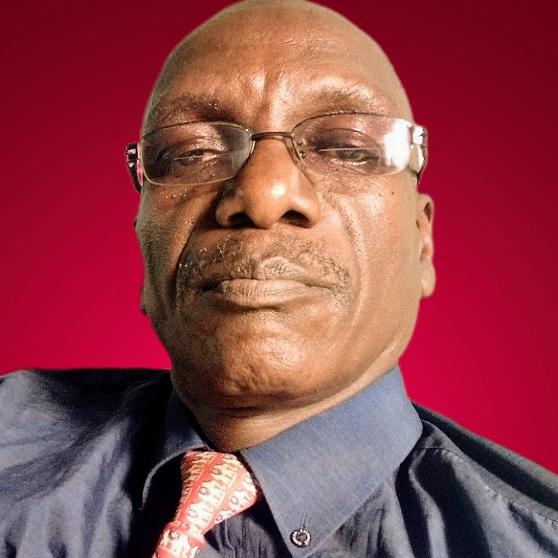

 ADVERT
A pall of grief and controversy has engulfed Kisumu County following the death of Dr George Rae, a senior adviser to Governor Anyang’ Nyong’o and a respected public health reformer, whose body remains stranded in a South Korean morgue over an unpaid medical bill running into millions.
Dr Rae, 74, collapsed and died while on an official foreign mission meant to help modernize Kisumu’s healthcare and urban services, turning what began as a visionary trip into a diplomatic, financial and human tragedy.
The former chief executive of the Jaramogi Oginga Odinga Teaching and Referral Hospital (JOOTRH) had travelled to South Korea in early December as part of a Kenyan delegation attending a Smart Cities conference. His passion lay in harnessing artificial intelligence and digital systems to transform healthcare delivery and urban management in Kisumu.
But days after arrival, Dr Rae suddenly collapsed after attending meetings, having breakfast and taking a walk. He was rushed to hospital and admitted to the Intensive Care Unit before being transferred to a specialised facility for ECMO treatment — an advanced life-support system used when the heart and lungs fail.
Despite desperate efforts to save him, including exploring the option of an air ambulance back to Kenya, doctors advised that transporting a patient on ECMO was impractical and risky. Before his condition could stabilise enough for transfer, Dr Rae died on December 26, Boxing Day, with his wife by his side in a foreign country.
 ADVERT
Now, his body cannot be released for repatriation until a hospital bill exceeding Sh20 million (about $155,000) is fully settled. Family, friends and professional colleagues have managed to raise only a fraction of the amount, while daily morgue charges continue to pile up.
The crisis has exposed glaring gaps in how Kenyan officials are protected while on foreign assignments. Kisumu County officials confirmed that although staff are covered under a county insurance scheme, Dr Rae had not completed the mandatory online registration required to activate the cover — a technicality that left him uninsured at the moment it mattered most.
Had the cover been active, he would have been entitled to Sh2.5 million in benefits. The county has since advanced that amount, though the family says only part of it has been received. Repatriation costs, including the coffin, embalming and air travel, have reportedly been approved, but the hospital bill remains the biggest hurdle.
Behind the bureaucratic wrangles is a devastated family. Dr Rae’s sister, Dr Deborah Onundo Rae, described him as the glue that held their family together and said he had been in high spirits just days before the incident. Appeals to the Kenyan embassy and national government for financial help while he was still alive, including a request for a loan to support ECMO treatment, yielded little beyond logistical assistance.
Medical leaders have also weighed in. The Kenya Medical Association, where Dr Rae was a revered figure and former committee chair, has raised millions through a paybill drive but remains far short of the target. Health policy experts warn that without swift government guarantees, the situation risks setting a painful precedent for Kenyan professionals who die while serving the country abroad.
JOOTRH has paid glowing tribute to Dr Rae, crediting him with strengthening oncology services, advancing sickle cell care and overseeing the installation of an oxygen plant during the Covid-19 pandemic. To many in the health sector, his death is not just a personal loss, but a symbol of systemic failure.
As Kisumu mourns one of its finest health minds, the haunting question remains: how did a man who spent his life building healthcare systems die overseas, only to be trapped by the very gaps he sought to fix?


