 ADVERT
 ADVERT
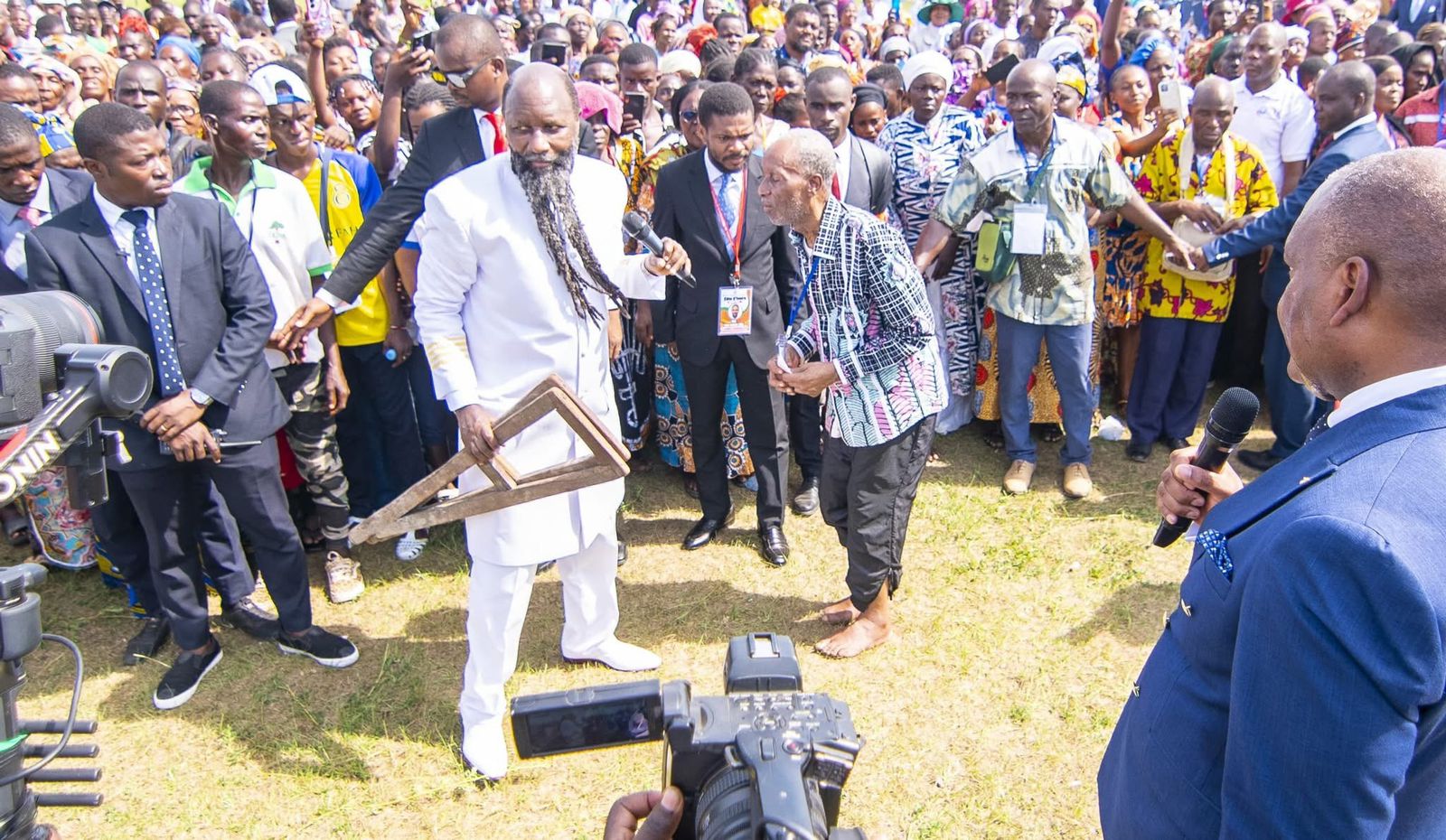
Self-proclaimed prophet David Edward Owuor has dramatically upped the stakes in Kenya’s simmering faith-versus-science debate, daring the government to investigate the miraculous healings claimed by his ministry.
In a bold public challenge issued on January 5, 2026, Owuor invited the Ministry of Health and the Kenya Medical Practitioners and Dentists Council (KMPDC) to independently verify testimonies of believers allegedly healed of terminal illnesses at his mega crusades.
The challenge has ignited fierce national debate, thrusting Owuor’s powerful ministry into the harsh glare of public scrutiny—where faith, fortune and medical ethics now collide head-on.
Owuor insists his ministry possesses extensive medical records documenting healings from conditions such as cancer, HIV/AIDS, paralysis and blindness. He argues that only a transparent, state-led investigation can silence critics and validate what he calls “the undeniable power of God at work in this generation.”
Supporters see the move as an act of confidence by a prophet unafraid of scrutiny. Critics, however, view it as a high-risk gamble—one that could expose the ministry to uncomfortable questions it has long evaded.
Just days before Owuor’s challenge, the KMPDC fired a warning shot. On January 3, 2026, CEO Dr. David Kariuki condemned medical practitioners who promote unproven cures for life-threatening illnesses under the guise of faith.
 ADVERT
“Any claim of healing must be grounded in scientific evidence and regulatory approval,” Kariuki warned, stressing that unverified miracles can push desperate patients to abandon treatment—with fatal consequences.
While acknowledging the personal role of faith in healing, the council drew a firm line: medicine must remain evidence-based. The KMPDC confirmed it is working with the Ministry of Health to investigate any practitioners linked to unproven claims and vowed disciplinary or legal action where regulations are breached.

Beyond the miracle claims, Owuor’s opulent lifestyle has long fueled controversy. From luxury vehicles to globe-trotting entourages, critics argue his material wealth sits uneasily with the humility associated with biblical prophets. Persistent questions linger over the true source of his fortune—questions his ministry rarely addresses directly.
Adding to the intrigue are whispers of past legal disputes, including an alleged court case involving property ownership and accusations of a widow being disinherited of apartment flats—claims never fully ventilated in the public domain but frequently cited by detractors.

Owuor’s visible proximity to senior political figures has further stoked speculation. To some, it signals influence and protection at the highest levels of power; to others, it raises doubts about whether his prophetic authority is divinely inspired or carefully cultivated through political connections.
By calling for a government probe, Owuor appears to be embracing transparency. Yet analysts note that the demand comes amid growing unease over faith-based healing claims across the country. If the investigation proceeds, it could either bolster his global following—or unravel a ministry built on testimonies that science may struggle to confirm.
For now, Kenya watches as a dramatic showdown unfolds: a prophet daring the state, regulators defending science, and a public caught between belief and evidence.
One thing is certain—Prophet Owuor’s divine challenge has ensured that questions surrounding faith, money and power will no longer be whispered in corners, but debated loudly on the national stage.


