 ADVERT
 ADVERT
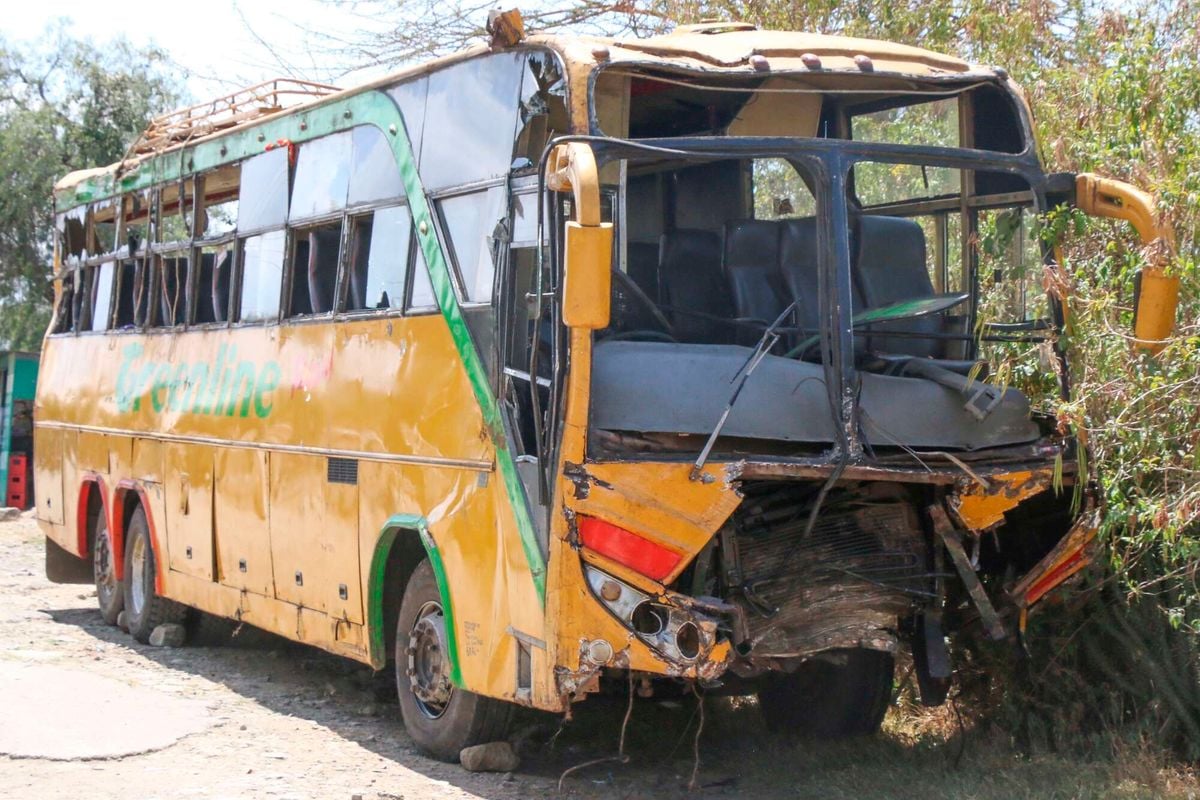
Fresh and chilling survivor accounts have intensified scrutiny of the January 5, 2026, Greenline bus tragedy along the Karai–Naivasha highway, where a head-on collision claimed 10 lives and left dozens injured. At the heart of the storm is a disturbing allegation: that the bus driver was drunk, chewing miraa, speeding recklessly and ignoring desperate pleas from passengers long before the fatal impact.
A Nation Africa report published on January 6, 2026, quotes survivor Duncan Kirui, who boarded the ill-fated bus in Bungoma County, describing a terrifying journey from the outset. Kirui said the driver appeared intoxicated, openly chewed miraa (khat), drove at excessive speeds almost immediately, and turned hostile when passengers questioned his behavior. Most alarming, Kirui claimed the driver briefly dozed off behind the wheel and brushed aside repeated requests to slow down or stop and rest.
“We warned him. We begged him. He became rude,” Kirui recounted, painting a grim picture of a disaster that many on board feared was inevitable.
Another survivor, Dorine Makena, corroborated critical elements of reckless driving, saying the bus failed to slow down at bumps and was moving dangerously fast. However, she did not mention alcohol, underscoring a key divide in survivor testimony.
While Kirui’s account explicitly raises the specter of drunk driving, most other media reports — including coverage by Citizen Digital, Kenyans.co.ke and Viral Tea — stop short of alleging alcohol use. Instead, they consistently highlight a driver who appeared drowsy, fatigued, dizzy or disoriented, possibly due to stimulant use, and who ignored repeated warnings to reduce speed or take a break.
 ADVERT
Passengers across multiple accounts describe a vehicle hurtling along the busy highway, with mounting fear inside the cabin as the driver pressed on despite visible signs of impairment and exhaustion.
Police have confirmed that investigations are ongoing, but as of the latest reports, authorities have not confirmed drunk driving, nor have they announced any arrests. Investigators are expected to examine factors including driver condition, speed, hours on the road, vehicle condition, and possible substance use.
In summary, explicit allegations of drunk driving currently stem from one named survivor quoted by Nation Africa. However, the broader body of survivor testimony paints an equally damning picture of gross recklessness, marked by speeding, fatigue, disorientation and ignored safety warnings — conditions that can be just as deadly on Kenya’s highways.
As grieving families bury their dead and survivors nurse physical and emotional scars, the Karai–Naivasha crash has reignited urgent questions about long-distance bus safety, driver monitoring, stimulant abuse and enforcement of rest regulations.
For many Kenyans, the haunting question remains: Could this tragedy have been prevented?


