 ADVERT
 ADVERT
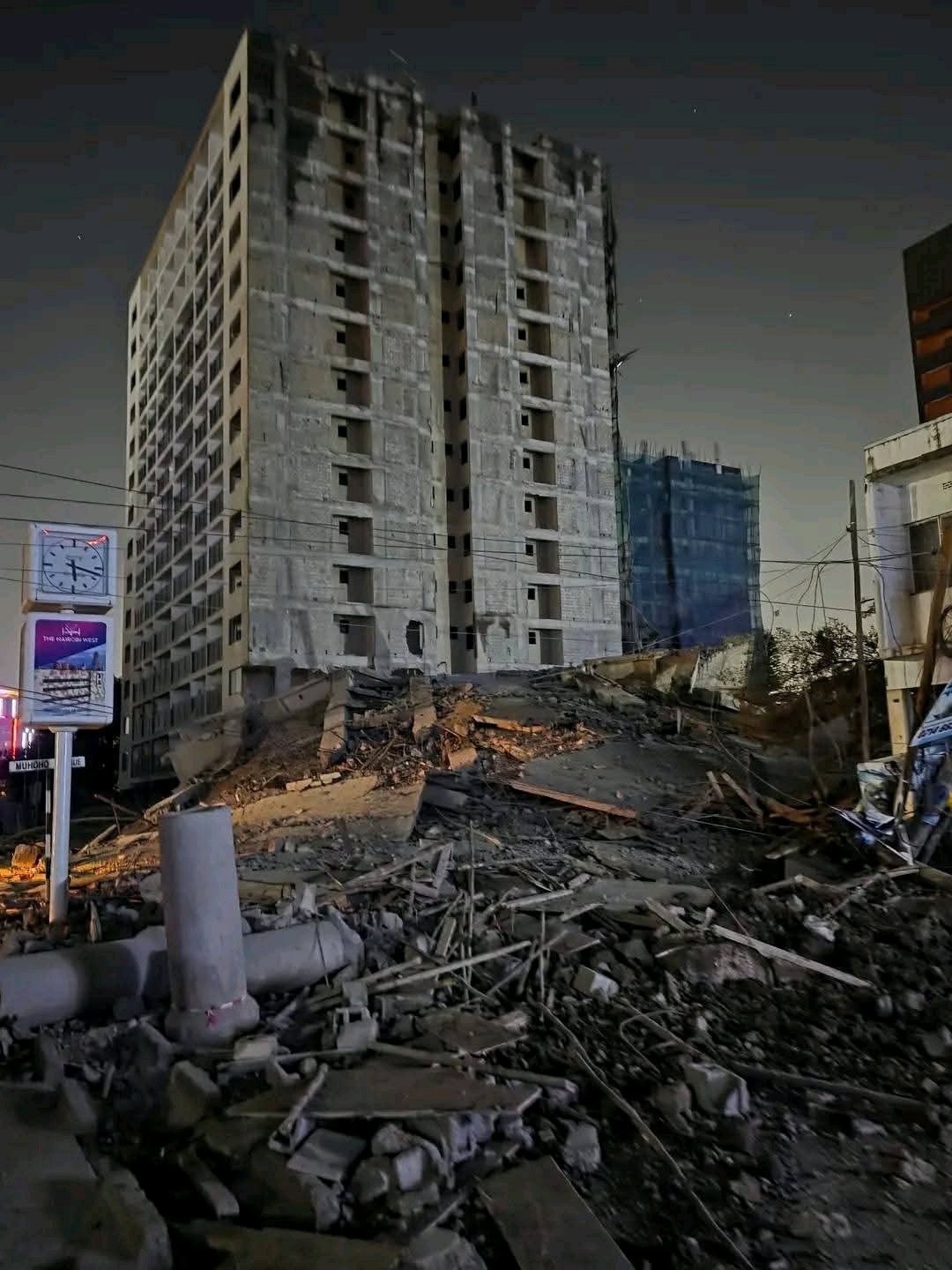
The catastrophic collapse of a 16-storey building under construction in Nairobi’s South C estate has laid bare a chilling reality: most buildings in the capital may be unsafe, and the next tragedy could be just one tremor away.
Built-environment professionals are now warning that up to 85 per cent of Nairobi’s buildings fail basic safety standards, a revelation that has triggered public outrage and renewed scrutiny of corruption, regulatory capture and professional negligence in Kenya’s booming construction sector.
The January 2 disaster, which has so far claimed at least two lives as rescue operations continue, has become a flashpoint for long-simmering concerns about unchecked development and weak enforcement.
In a hard-hitting joint statement issued Thursday, leaders from the Institution of Engineers of Kenya (IEK), The Architects Alliance (TAA), the Kenya Institute of Planners (KIP) and other professional bodies demanded an urgent, independent investigation into the South C collapse.
They insist that officials and contractors who illegally approved extra floors on the building must be identified, deregistered and prosecuted.
“This is a classic case of systemic failure driven by corruption and greed,” the coalition said.
 ADVERT
IEK President Shammah Kiteme revealed alarming findings from a National Building Inspectorate survey: of 15,000 buildings assessed across Nairobi, only 15 per cent were considered safe for occupation.
“That means the vast majority of structures people live and work in every day are potential death traps,” Kiteme said.
Architects and engineers warned that rampant violations—ranging from weak foundations and substandard materials to unauthorized vertical expansions—have turned Nairobi into a high-risk urban zone.
TAA President Sylvia Kasanga condemned the widespread practice of adding floors without redesigning structures.
“You don’t add another floor simply because you’ve found more tenants,” she said. “Structural safety is a calculation that starts from the foundation.”
Architectural Association of Kenya President George Ndede painted an even bleaker picture, warning that even a minor earth tremor could trigger mass collapses across the city.
“If a tremor occurred—even on a very low Richter scale—many buildings would come down,” Ndede cautioned.
The professional bodies are now calling for sweeping reforms, including:
Strict enforcement of the National Building Code 2024
Robust oversight by the National Construction Authority (NCA)
Public blacklisting of rogue contractors
Deregistration and prosecution of culpable professionals
A multi-stakeholder task force to investigate approvals, design flaws and enforcement failures
“These are systemic issues—and they are largely preventable,” Kiteme said. “If contractors have a history of violations, blacklist them publicly. Let Kenyans know who is putting their lives at risk.”
As debris is cleared at the South C site, pressure is mounting on regulators and county authorities to act decisively and end the culture of impunity that has long plagued the sector.
For Nairobi residents, the collapse has shattered any illusion of safety amid the city’s vertical boom. Experts warn that without immediate reforms, the question is no longer if another building will fall—but when.


