
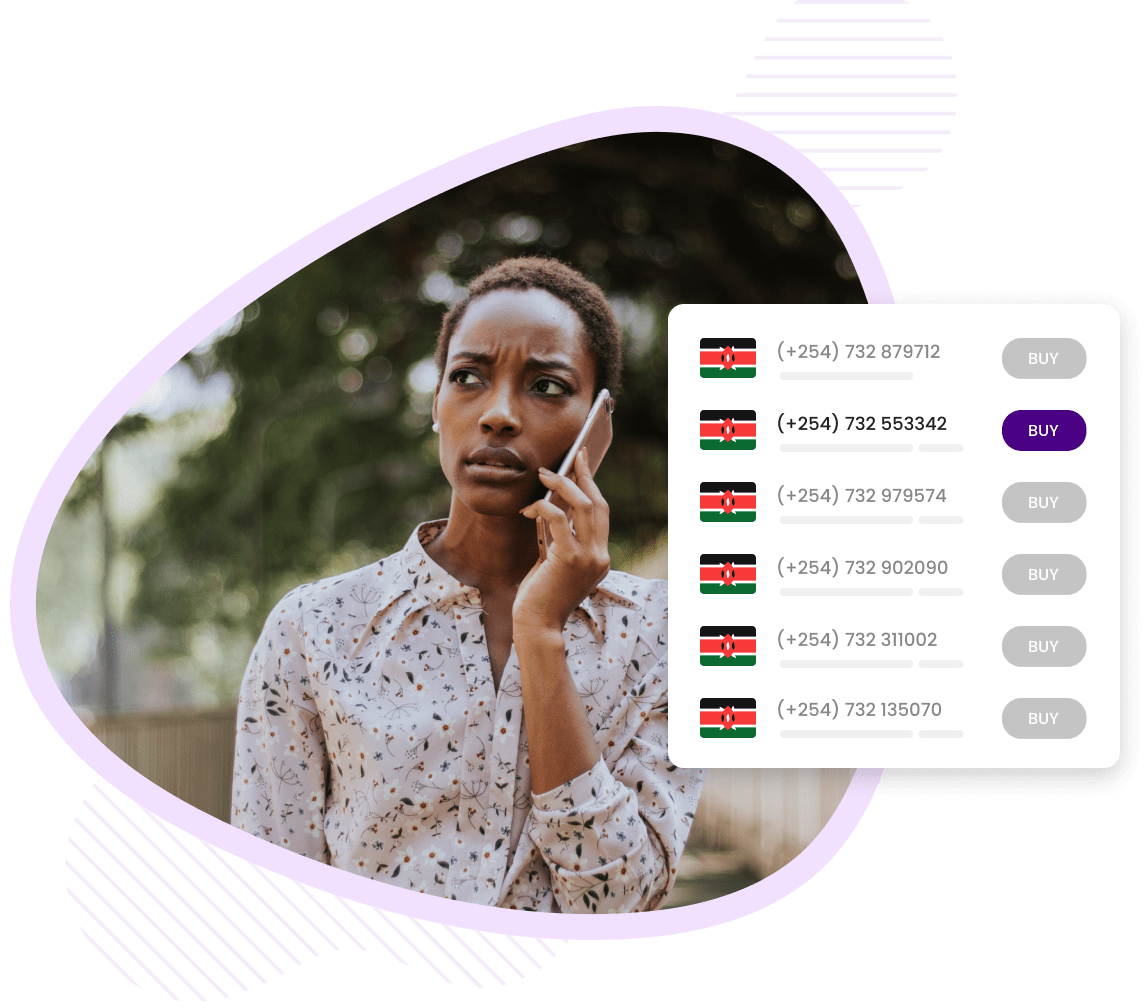
The High Court of Kenya has declared that a registered mobile phone number is not just a communication tool—but a protected digital identifier intrinsically linked to an individual’s private life.
In a judgment delivered at the Milimani High Court, the court held that mobile numbers qualify for constitutional protection under Article 31 (c) and (d), which safeguard citizens against unnecessary collection and disclosure of personal information.
The decision stems from a petition filed by Erastus Ngura Odhiambo, who challenged the long-standing practice by telecom operators of recycling inactive mobile numbers.
The petitioner argued that once reassigned, these numbers often remain linked to sensitive personal data—including banking, social media, and private communications—thereby exposing previous owners to serious privacy breaches.
The court agreed.
In a strongly worded judgment, the court recognized that a mobile number serves as a gateway to an individual’s digital footprint, warning that careless reassignment creates a “substantial risk” of exposing personal data to third parties.

The judges ruled that:
A phone number anchors personal identity in the digital space
Reassigning it without safeguards amounts to a violation of privacy rights
The practice, if unchecked, could enable data misuse, impersonation, and unauthorized access
The Office of the Attorney General has now been given six months to develop and implement a legal and regulatory framework to protect Kenyans from risks associated with mobile number recycling.
This directive signals impending reforms across Kenya’s telecommunications and data protection landscape.
The High Court laid down strict conditions under which a mobile number can be reassigned:
1. Informed Consent First
Reassignment must only occur with the explicit, verifiable consent of the previous owner.
2. Public Notice & Exhaustive Verification
Telecom providers must:
Issue adequate public notice
Conduct a documented verification process proving the original owner cannot be traced or has relinquished rights
3. Mandatory Technical Safeguards
Systems must be put in place to ensure:
No personal data transfer to new users
No unauthorized access to linked services like banking, email, or social media
This ruling places Kenya among progressive jurisdictions recognizing digital identity rights in the era of mobile-first economies.
With mobile numbers increasingly used for:
Mobile money services
Two-factor authentication
Government and healthcare systems
…the judgment could have far-reaching implications for telecom companies, fintech platforms, and regulators.
Legal analysts say the ruling strengthens the constitutional right to privacy and aligns with global data protection trends.
It also puts telecom operators on notice: user data cannot be treated as disposable—even after inactivity.
Your phone number is no longer just a number—it is you in the digital world. And now, the law in Kenya recognizes and protects it as such.


