
 ADVERTISEMENT
 Tensions over gold mining in Siaya County boiled over on Monday after two demonstrators were shot dead during a violent confrontation with police in the mineral-rich area of Ramula.
The victims were among residents protesting the controversial operations of Shanta Gold, which has been licensed to undertake large-scale open-pit mining on what locals describe as ancestral land. The name Ramula—derived from the Dholuo language—translates to “full of gold,” underscoring both the region’s wealth and the deep-rooted stakes involved.
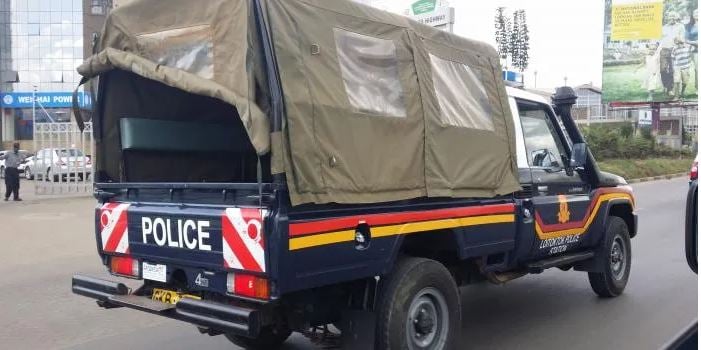
Witnesses reported that chaos erupted at Ramula Trading Centre when demonstrators clashed with police officers deployed to contain the protest. According to Gem Yala Sub-County Police Commander Charles Wafula, the situation escalated after protesters allegedly stormed the Ramula Police Post and began pelting stones at officers.
“They destroyed property, and in the process, two people lost their lives,” Wafula stated.
By late afternoon, businesses across Ramula had shut down as fear and uncertainty gripped the community.
The deadly incident marks the latest flashpoint in a protracted dispute between local residents and Shanta Gold. While government officials and the company argue that the project promises economic transformation and infrastructure development, many residents fear displacement, environmental degradation, and the erosion of cultural heritage.

Siaya County Commissioner Jara Komora recently confirmed that 1,286 households across eight villages are set to be affected by the mining project—figures that have intensified anxiety among “Project Affected Persons” (PAPs).
In response, the company has begun constructing so-called “model houses” for vulnerable families, with company geologist Austine Ochieng asserting that the units meet international standards. However, the initiative has done little to quell resistance on the ground, where divisions within the community continue to widen.
As investigations into the deaths begin, Ramula remains on edge, with residents demanding accountability and clarity over land rights and compensation.
The tragedy now casts a harsh spotlight on the broader conflict between multinational extractive interests and the rights of local communities—raising urgent questions about how development, justice, and heritage can coexist in Kenya’s emerging resource frontiers.


