
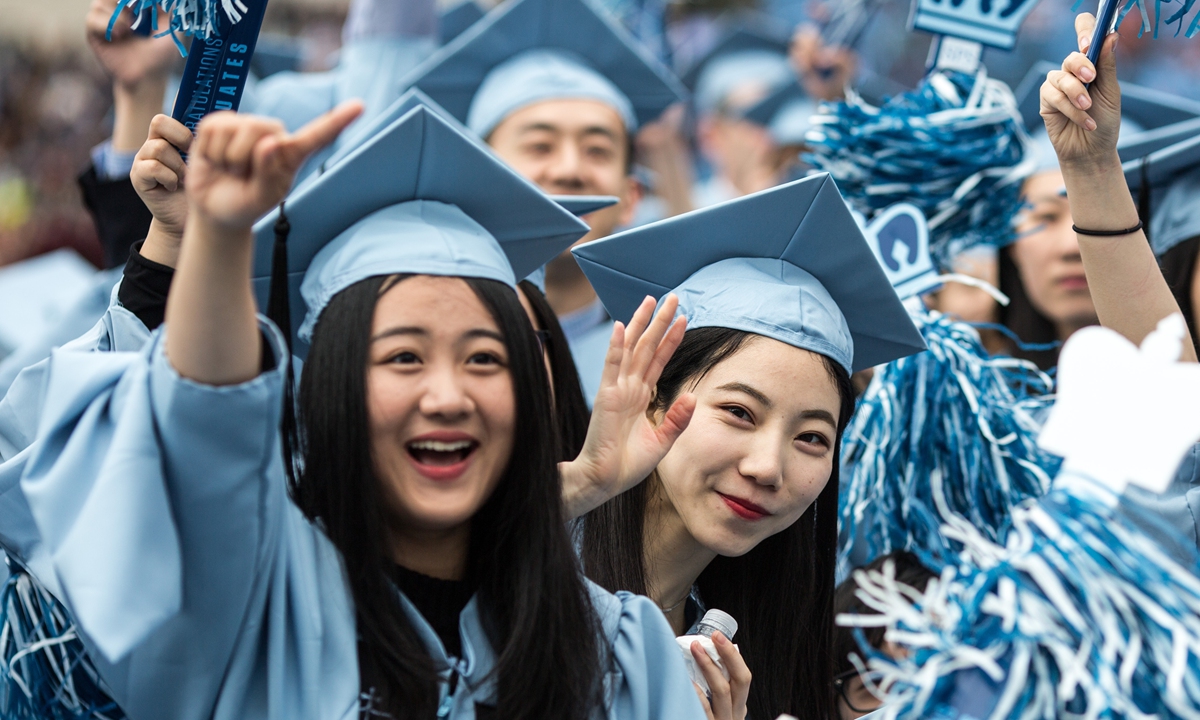
A quiet but consequential reversal of the global talent flow is underway — and it is reshaping the future of China’s high-tech ambitions.
More Chinese-born graduates of overseas universities are returning home in record numbers, according to new recruitment data, as Beijing moves aggressively to consolidate its talent base in strategic sectors such as artificial intelligence, semiconductors, robotics and advanced manufacturing. The trend, widely described as a “reverse brain drain,” comes at a moment when the US-China race for technological supremacy is reaching fever pitch.
Figures cited by the South China Morning Post show that job applications from overseas Chinese graduates surged most sharply last year in high-tech and advanced manufacturing fields. Analysts say the numbers reflect a growing calculation among young Chinese professionals: the future of cutting-edge innovation — and long-term opportunity — may now lie closer to home.
The return wave is being driven as much by push factors abroad as by pull factors at home. In the United States, immigration pathways for highly skilled foreign workers have narrowed, with tighter visa rules, longer processing times and rising political hostility toward Chinese nationals in sensitive technology fields. For many graduates, the once-assured promise of Silicon Valley has dimmed.
At the same time, Beijing has ramped up efforts to attract foreign-trained talent, rolling out incentives, patriotic messaging and expanded recruitment in priority industries critical to national security and economic self-reliance. In an era of export controls, chip bans and geopolitical fragmentation, talent has become a strategic asset — and China is determined not to lose it.
Yet the homecoming is proving far less glamorous than many returnees anticipated.

China’s slowing economy, weak private-sector hiring and saturation of white-collar roles have created a harsh landing for young professionals. Despite elite degrees from Europe, North America and Asia, many returnees are struggling to secure roles that match their qualifications, pay expectations or career aspirations.
Competition is intense. Domestic graduates, state-backed firms and returning overseas students are all chasing a limited pool of high-end jobs. In some cases, employers prefer candidates with local networks and immediate productivity over international exposure.
The mismatch has pushed a growing number of young people to rethink traditional career paths. Vocational and technical schools — once viewed as a last resort — are now surging in popularity, offering practical skills, faster employment and greater alignment with China’s manufacturing-led development model.
For Beijing, the influx strengthens its long-term strategic position in the global tech contest. A deeper talent pool boosts innovation capacity and reduces reliance on foreign expertise. But for young returnees, the transition exposes a deeper contradiction: a nation rich in ambition but constrained by economic reality.
As China seeks to win the tech war, it must now answer a pressing question — can it not only attract world-class talent, but also absorb, reward and retain it?
The answer may determine whether today’s brain gain becomes tomorrow’s innovation surge — or a generation’s quiet disillusionment.


