
 ADVERTISEMENT
 A quiet village in Ugunja has ignited a loud national debate on Kenya’s uneven handling of human–wildlife conflict.
Charles Osore, a resident of Luoka village in Siaya County, is set to be compensated by the government after a python attacked and killed his dog — an incident that briefly shocked the nation and swiftly drew the attention of the Kenya Wildlife Service (KWS).
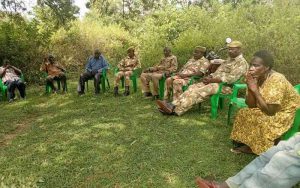
Osore found himself in the national spotlight after the rare snake attack was widely shared by the media. Within days, a KWS delegation led by Senior Warden Grace Kariuki, who oversees Kisumu and Siaya counties, descended on Luoka village to assess the incident, console the affected family and formally initiate compensation.
Commending Osore for cooperating with wildlife authorities despite the loss, Kariuki assured him that the government would take full responsibility for the incident and see the compensation process through. She further urged residents to report wildlife encounters promptly, promising faster response and sensitisation programmes to help communities coexist safely with wildlife.
“If anything like this happens in future, residents should reach out to us through our hotline so that KWS officers can take action,” Kariuki said.On paper, it was a textbook response — swift, visible and sympathetic.
But across Siaya County, that efficiency has reopened an old wound.
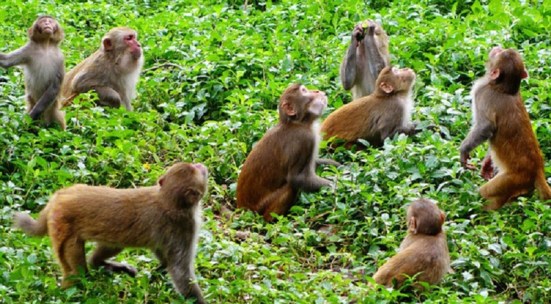
While Osore’s case moves smoothly through the compensation pipeline, thousands of residents across Siaya continue to battle daily invasions of monkeys that destroy crops, invade homes, terrorize children and wipe out livelihoods — with little to no intervention.

From Ugenya to Bondo and parts of Rarieda, farmers complain of entire harvests lost to marauding primates. Unlike the dramatic python incident, monkey invasions are slow, relentless and rarely go viral. As a result, residents say, they are treated as background noise.
“There are people who have lost maize, bananas and even poultry year after year,” lamented one farmer in Gem. “No compensation, no KWS visit, no hotline help — just silence.”
The contrast has fuelled growing frustration: why is a single dog killed by a python enough to trigger compensation, while widespread economic destruction affecting hundreds of households attracts little urgency?
KWS insists it is committed to protecting both human life and wildlife, pointing to recent tragic incidents such as the death of a 35-year-old ECDE teacher, Eunice Kuria Maora, in Kajiado West following a human–wildlife conflict. In that case, the agency moved swiftly, expressed condolences and intensified mitigation efforts to prevent further loss of life.
“KWS is deeply saddened by this painful loss,” Director General Dr Erustus Kanga said in a statement, reaffirming the agency’s commitment to peaceful coexistence.
Yet for many in Siaya, the issue is not intent but equity.
Human–wildlife conflict is not only about deaths and dramatic attacks; it is also about slow economic strangulation. Monkeys may not kill, but they impoverish. They destroy food security, discourage farming and push already struggling families deeper into poverty.
Osore’s compensation is lawful and deserved under existing frameworks. Few dispute that. What residents are questioning is why the system appears reactive to headline-grabbing incidents while routine suffering is normalized.
As monkeys continue to roam freely through villages with no clear mitigation plan, Siaya residents are asking uncomfortable questions: Does compensation only follow tragedy when cameras are rolling? And who speaks for farmers whose losses come quietly, crop by crop?
Until those questions are answered, the python compensation story may stand less as a triumph of government responsiveness — and more as a mirror reflecting the deep inconsistencies in how human–wildlife conflict is addressed in Kenya.


