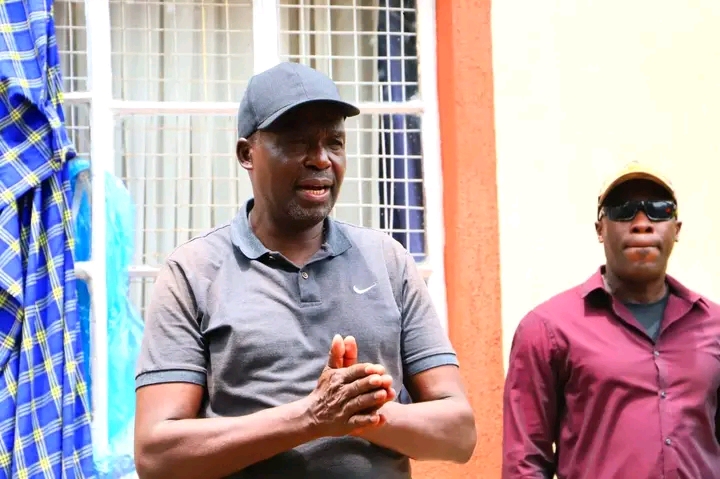

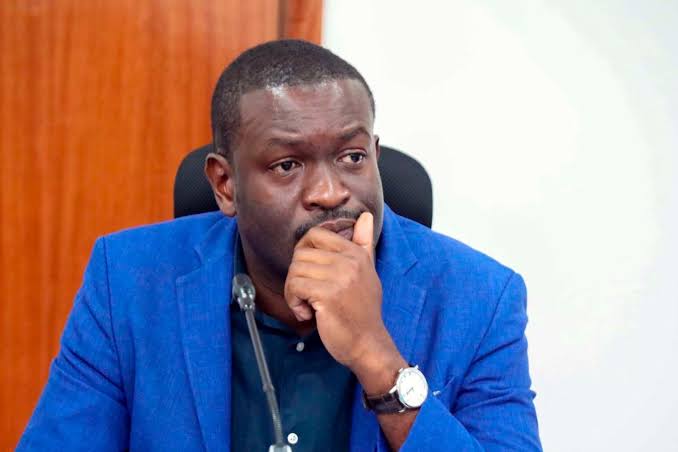
Nairobi Senator Edwin Sifuna has emerged as a prominent national figure—largely due to a series of missteps by his own Orange Democratic Movement (ODM) party and the ruling government. What started as internal friction over ODM’s perceived alignment with President William Ruto’s administration has evolved into a genuine “Sifuna wave,” casting him as a symbol of principled resistance. This rise stems more from others’ errors than from flawless strategy on his part, and here is a balanced look at how these blunders have amplified his profile.
ODM’s leadership attempted to enforce unity by removing Sifuna as Secretary General in mid-February 2026, citing sustained rebellion, public statements causing confusion, and failure to align with the party’s evolving direction—particularly its pragmatic engagement with the government. The move, decided at a National Executive Committee meeting in Mombasa, was intended to restore discipline amid debates over cooperation with UDA.
Instead, it backfired spectacularly. By targeting a vocal critic of elite compromises, the party handed Sifuna a powerful narrative of victimhood. Public reaction was swift: social media buzzed with chants like “Mimi ndio Sifuna” (“I am Sifuna”), portraying him as a punished defender of ordinary Kenyans. Allies such as Embakasi East MP Babu Owino rallied behind him, framing the ouster as unlawful and a betrayal of grassroots ideals.
The party’s response—proposing figures like Ledama Olekina as a replacement—only deepened the rift, alienating younger supporters who saw it as further evidence of disconnect. Legal challenges followed, with the Political Parties Disputes Tribunal extending conservatory orders blocking the removal, turning the saga into a prolonged public spectacle that kept Sifuna in the headlines. In hindsight, ODM underestimated how harshly punishing internal dissent would resonate with a youth demographic weary of perceived sellouts and recycled leadership.
The state’s role has been more indirect but no less contributory. Amid ongoing economic pressures, youth-led unrest, and criticisms of governance, responses to protests and public mobilizations have often appeared heavy-handed. Events like teargas deployments at rallies where Sifuna spoke have gone viral, reinforcing his image as someone willing to stand against state overreach.
Broader government-ODM talks on cooperation—seen by critics as power-sharing deals ignoring public hardship—have provided fertile ground for Sifuna’s messaging. His focus on issues like evictions, cost of living, and protecting citizens (“Linda Mwananchi”) taps into widespread frustration, making government missteps appear to validate his warnings about elite handshakes over people-centered politics. While not a deliberate plot to elevate him, these tactical errors have inadvertently lent credibility to his defiance.
Sifuna’s surge reflects a real generational shift—young, digitally savvy Kenyans prioritizing ideology and accountability over traditional alliances. ODM’s purge and the state’s responses have freed him from party constraints, allowing him to build momentum through rallies, media appearances, and viral support.
Yet moderation is warranted: his rise carries risks of being short-lived or co-opted. Critics point to inconsistencies in his positions and question whether the wave has deep organizational roots or is largely performative. Some view it as manufactured drama that distracts from systemic issues, while others see genuine potential for a third force in 2027 politics.
These publicity accidents have occurred to every politician at one time or another of their political career, the heroes are the ones swift enough to seize the opportunity in their favor.
Ultimately, these blunders reveal a core disconnect between established power structures and public sentiment. By mishandling dissent and public grievances, ODM and the government have unintentionally elevated a figure who now embodies broader discontent. Whether this wave becomes a lasting tide or fades remains uncertain—but the lesson is clear: in Kenya’s volatile arena, attempts to silence critics often amplify their voice.