
 ADVERTISEMENT
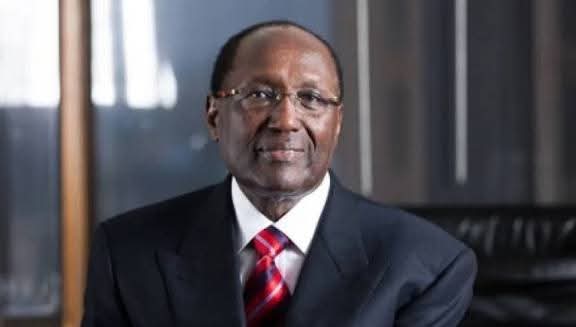
 Nearly five years have passed since Kenya bid farewell to one of its most luminous sons, Dr. Chris Kirubi, on June 14, 2021. Yet his presence lingers — in the gleaming skyline of Nairobi, in the rhythmic beats of late-night radio, in the quiet determination of young entrepreneurs who still quote his words like scripture. To speak of Kirubi today is to evoke a gentler era, when self-made success felt tangible, when one man’s unyielding hunger could reshape an entire nation’s imagination.
Born in 1941 amid the rolling hills of Murang’a, Christopher Kirubi entered a world that offered him little mercy. Poverty was his earliest companion, and tragedy struck young when both parents were taken from him, leaving a boy to shoulder the weight of raising younger siblings. School was a privilege earned through holiday labour — odd jobs scraped together to buy the simplest necessities: a pair of shoes, a pen, a notebook. Those lean years could have dimmed any spirit, but in Kirubi they kindled a fire. Hardship became the forge that tempered his legendary work ethic, the quiet resolve that would carry him far beyond the village paths he once walked barefoot.
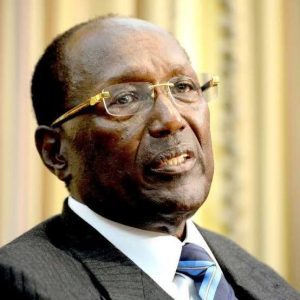
His ascent began modestly, as a salesman for Shell Kenya, peddling and repairing gas cylinders under the East African sun. But even then, Kirubi saw what others overlooked. While Nairobi’s elite turned away from crumbling colonial-era properties, he saw possibility. With every shilling saved from his humble wage, he bought derelict houses, rolled up his sleeves, and restored them — sometimes with his own hands, sometimes with small crews of workers. One renovated building became two, then many. From those early flips grew International House Limited, the prestigious real estate firm that would come to own the iconic International House in the heart of the capital — a towering symbol of vision turned concrete and steel.
What followed was a quiet conquest of the Kenyan economy. Kirubi’s touch reached manufacturing through Haco Industries, where everyday goods bore the mark of his exacting standards; media through Capital FM, the station he cherished and later owned; and investment through his substantial stake in Centum, one of East Africa’s leading investment companies. He earned the affectionate title “Chairman” in boardrooms where billion-shilling decisions were made, yet he was equally beloved as “DJ CK,” the silver-haired radio host who spun records and dispensed wisdom to a youthful audience late into the night.
Even at the height of his wealth, Kirubi never drifted into detachment. He remained the hands-on patriarch, appearing unannounced at factories and offices to inspect operations, ask questions, and remind everyone that excellence was non-negotiable. Colleagues recall how he moved through his enterprises with the same intensity he had shown as a young salesman — sleeves rolled, eyes sharp, forever driven by that early hunger.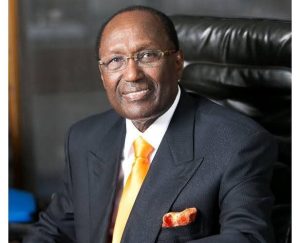
Kirubi’s life offered profound lessons, delivered not as lectures but as living example. He insisted that poverty was merely a starting point, never a final destination — a challenge to surmount rather than a burden to accept. He preached the discipline of reinvestment: early profits returned to the soil of new ventures rather than spent on fleeting luxuries, allowing money to multiply through patient labour. He understood the art of adaptation, effortlessly shifting from stern chairman to playful DJ, reinventing his personal brand to remain eternally relevant. Above all, he believed in ownership — of land, companies, ideas — as the true path to generational wealth, the means to secure a legacy that outlives any single lifetime.

Today, in boardrooms and bedrooms across Kenya, young dreamers still draw courage from his story. Dr. Chris Kirubi did not merely build an empire; he built belief — the quiet, stubborn conviction that no beginning, however humble, need dictate an ending. And in that belief, his spirit lives on, as vibrant and indomitable as ever.


