
 ADVERTISEMENT
 Kenya faces a relentless hot and dry January-to-March period, with soaring temperatures and minimal rainfall threatening crops, livestock and food security, the Meteorological Department has warned.
Most of the country will see predominantly sunny and dry conditions through March, driven by persistent La Niña conditions in the Pacific and a neutral Indian Ocean Dipole. These global climate patterns are suppressing rainfall across East Africa, leaving any showers short-lived and unevenly distributed.
“Temperatures are expected to be warmer than average over the whole country,” said Kennedy Thiong’o, deputy director at the Meteorological Department. “Daytime highs in the northeast and northwest may occasionally exceed 37°C.”

While a few regions will get occasional relief, the outlook remains grim for the majority. Light to moderate rains are possible in January and February in the highlands west and east of the Rift Valley (including Nairobi), the Lake Victoria Basin, central and southern Rift Valley, southeastern lowlands and the coastal strip. In March, rainfall may spread slightly wider, particularly around Lake Victoria and the southern Rift Valley.
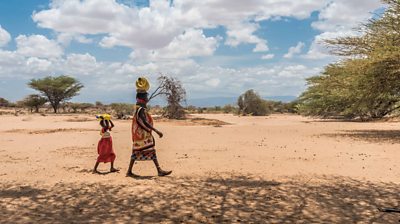
Northern and northeastern counties – Turkana, Samburu, Mandera, Wajir and Garissa – face the harshest conditions: persistently hot and bone-dry, with daytime temperatures regularly hitting 30–40°C.
Farmers are already assessing crops planted in the October-December season, many of which are still in the fields and now at risk from the intensifying dryness. The department warned that arid and semi-arid areas could see further declines in food, water and pasture availability, heightening hunger risks for communities and livestock losses.

National and county governments, alongside humanitarian agencies, have been urged to act swiftly to mitigate the crisis.
Communities nationwide are advised to prepare for heat stress, conserve water strictly and monitor daily weather updates. Farmers should seize any brief rainfall to support vulnerable crops.
As the dry season tightens its grip, Kenya’s food supplies and water resources face mounting pressure in the opening months of 2026.


