
 ADVERTISEMENT
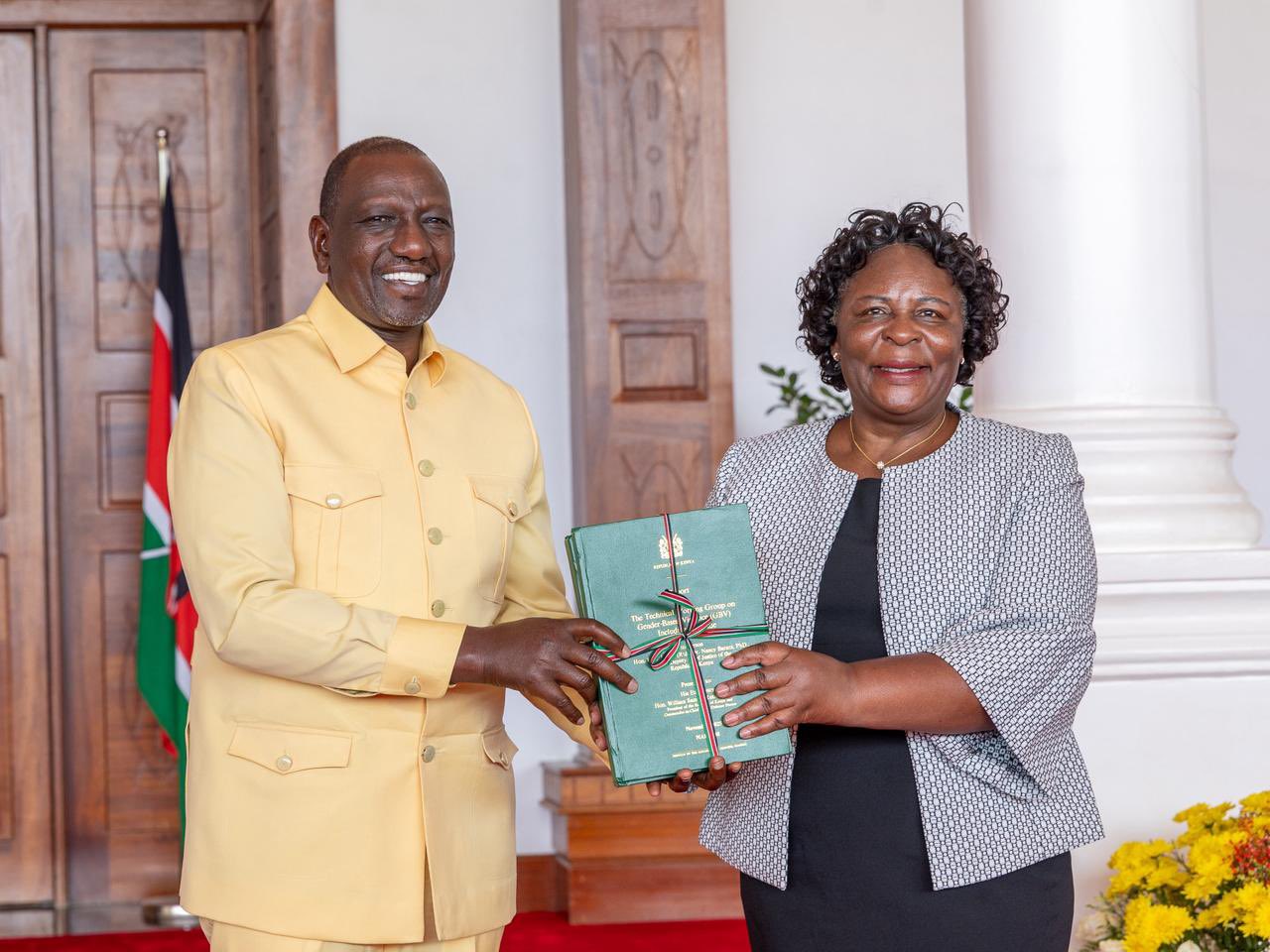
 In a groundbreaking move to combat escalating gender-based violence (GBV) and femicide, a high-level taskforce led by former Deputy Chief Justice Nancy Baraza has recommended mandatory chemical castration for convicted child sex offenders. The Technical Working Group on GBV, which includes femicide, submitted its explosive report to President William Ruto on January 26, 2026, calling for sweeping legal reforms to end Kenya’s silent epidemic of sexual violence.
The proposal targets repeat child defilers—often relatives or guardians—by amending the Sexual Offences Act of 2006. Courts would impose chemical castration alongside imprisonment, using injections, implants, or oral medication to suppress sex hormones like testosterone, drastically reducing libido. The treatment is reversible but requires ongoing administration under medical supervision, paired with psychosocial support. “Children are facing grave violations from those meant to protect them,” Baraza emphasised during the report handover. The measure applies to both male and female offenders, focusing on defilement of minors and vulnerable persons with disabilities.
This isn’t Kenya’s first brush with the idea—a similar clause in a 2006 bill was dropped amid controversy—but rising child abuse cases have reignited the debate. If enacted, Kenya would join nations like Poland, South Korea, and Indonesia in using chemical castration as a deterrent.
The taskforce didn’t stop there. Key recommendations include:
– Criminalising femicide as a standalone offence in the Penal Code, separate from murder, for targeted prosecution.
– Introducing mandatory minimum sentences for aggravated sexual offences, stripping judges of discretion to prevent lenient rulings.
– Declaring GBV and femicide a national crisis to unlock urgent resources and coordinated action.
– Banning case withdrawals once prosecution begins and setting a six-month timeline for GBV trials.
– Criminalising family interference, clan settlements, and coercion of survivors.
– Strengthening laws against female genital mutilation and GBV in politics, plus mandatory abuse reporting and tighter regulation of short-term rentals like Airbnbs.
President Ruto pledged swift implementation, vowing collective action against the crisis that has seen thousands of women and girls brutalised. With femicide rates surging and underreporting rampant, these proposals signal a tougher stance on perpetrators.

Critics may debate human rights implications, but supporters argue existing penalties have failed. As Kenya grapples with this national shame, Baraza’s report could mark a turning point—delivering justice and protection where the system has long fallen short.


