
NAIROBI — Barely five months after Raila Amollo Odinga’s death in October 2025, the Orange Democratic Movement stood visibly fractured on Friday, March 27, 2026. Two rival factions held simultaneous conventions in the capital, each claiming to be the authentic custodian of “Baba’s” legacy.
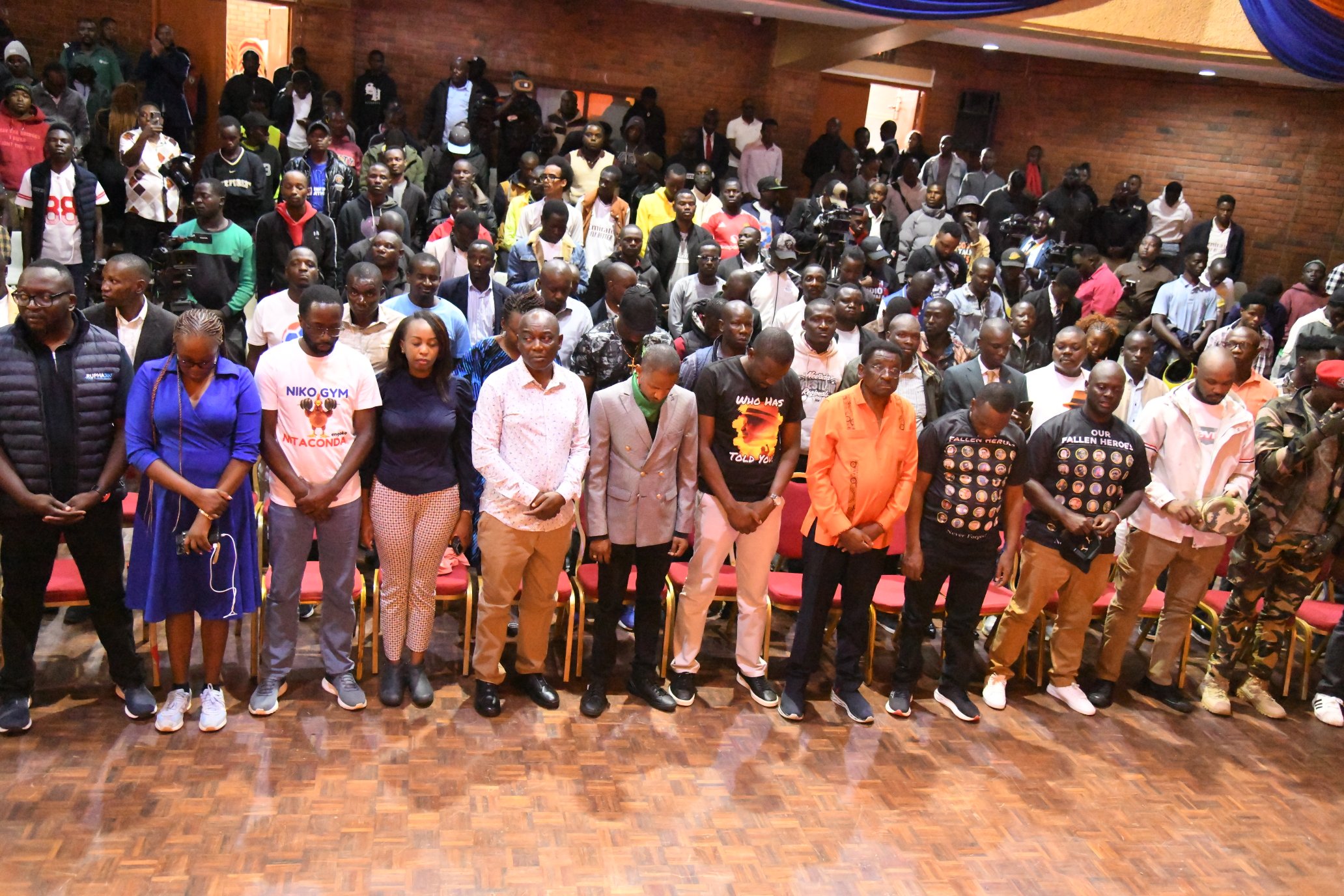
The contrast was stark. At Jamhuri Grounds, Raila’s brother Oburu Oginga presided over a formal Special Delegates Convention marked by orderly proceedings and strategic forward-planning. Across town at the historic Ufungamano House, the self-styled “Linda Mwananchi” group — led by embattled Secretary-General Edwin Sifuna, Siaya Governor James Orengo and Embakasi East MP Babu Owino — staged a more passionate “People’s National Delegates Conference” amid police standoffs and emotional appeals.
One side projected institutional continuity and pragmatic coalition-building. The other summoned the defiant, grassroots spirit that long defined Raila’s brand of politics.
At Jamhuri Grounds, delegates ratified Oburu Oginga as the party’s substantive leader — the second after his late brother — and endorsed Homa Bay Governor Gladys Wanga as chairperson. They passed resolutions authorising formal negotiations with the ruling United Democratic Alliance (UDA) ahead of the 2027 general election, while drawing a firm line on core territories.
“We will not cede our strongholds as we enter into negotiations with the UDA party in pursuit of coalition building,” Oburu declared. In a pointed rebuttal to accusations of compromise, he added: “At my age, who can buy me?”
Raila’s daughter, EALA MP Winnie Odinga, brought a personal and generational dimension to the gathering. She congratulated her uncle and called for a “new ODM” that creates genuine space for young leaders while preserving the party’s foundational strength. The event conveyed discipline, stability and a clear focus on electoral relevance in a rapidly shifting political landscape.

At Ufungamano House, the mood was electric and confrontational. Police initially blocked access to the venue, prompting dramatic scenes as supporters pushed through. Speakers repeatedly invoked Raila’s memory, framing the Jamhuri convention as an illegitimate takeover.
Siaya Governor James Orengo captured the sentiment when he told the crowd: “If Raila Odinga was alive, he would be here with you.” He reminded delegates of Ufungamano’s historic role in Kenya’s constitutional and political reforms, and issued a rallying call for renewed civic action. “Freedom has always been born out of rebellion,” Orengo proclaimed, urging supporters to take to the streets on June 24 in remembrance of Gen Z victims of past protests.
Babu Owino delivered one of the most direct challenges on succession. “We will respect Oburu as our elder but not as our party leader,” he stated firmly, questioning the timing and process of leadership changes so soon after Raila’s passing.
Sifuna, refusing to vacate his secretary-general post, dismissed the Jamhuri gathering outright. “As ODM Secretary-General, I declare the SDC meeting at Jamhuri Grounds fake,” he said, insisting that any legitimate leadership transition must occur through a properly constituted National Delegates Convention with secret ballots. He described his service under Raila as the honour of his life and positioned the Ufungamano meeting as a defence of the party’s original soul against perceived external capture and internal compromise.
The duelling events highlighted the complexity of Raila Odinga’s rich political inheritance. Throughout his career, the veteran leader embodied both the unrelenting opposition firebrand who mobilized millions through protest and deep identification with the ordinary mwananchi, and the shrewd negotiator capable of strategic handshakes when broader interests required it.
Oburu’s faction appears to be embracing the pragmatic, deal-making dimension of that legacy — prioritizing organisational stability and coalition arithmetic for 2027. The Linda Mwananchi group, by contrast, channels the more emotional and rebellious strand: the Raila who galvanized street power and confronted the status quo without apology.
Neither faction can credibly claim exclusive ownership of Baba’s mantle. His political journey was a compelling blend of defiance and diplomacy, protest and pragmatism. Friday’s parallel conventions in Nairobi simply brought that inherent tension into sharp public view.
As the country heads toward the next general election, the ultimate test for these factions will not be measured by who invoked Raila’s name most passionately on a single Friday. It will be determined by which group can most effectively translate his powerful symbolism into unity, influence and tangible political success in Kenya’s competitive arena.
For now, ODM emerges from the day more visibly polarized than ever — yet, in the raw energy and conviction displayed at both venues, perhaps more vibrantly alive than at any moment since its iconic founder’s departure.


