
 ADVERTISEMENT
 The nominee for Chairperson of the Public Service Commission, Francis Mejja, has laid out an ambitious reform agenda that could significantly reshape Kenya’s public service if Parliament approves his appointment.
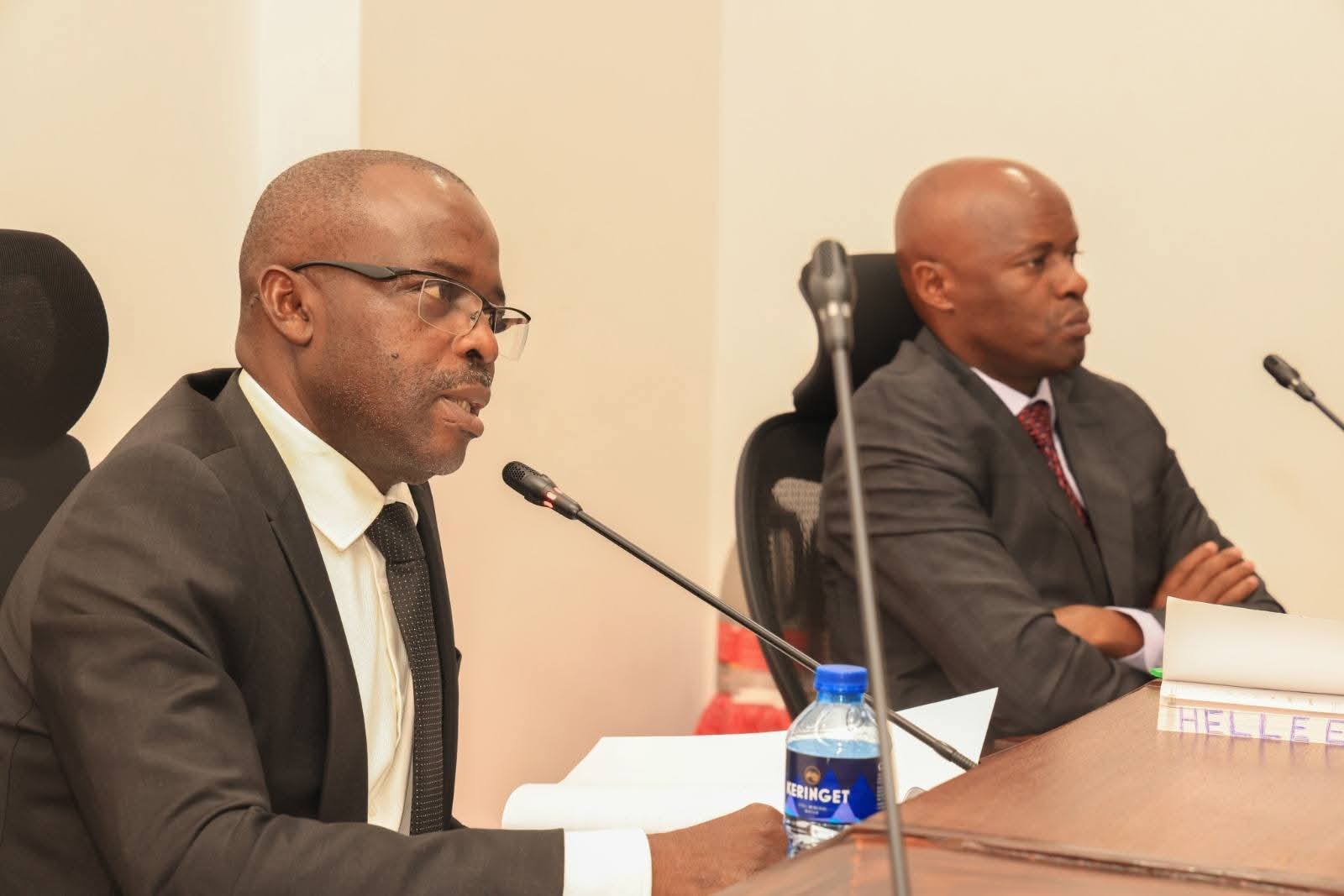
Appearing before the National Assembly Departmental Committee on Labour, chaired by Kilifi South MP Ken Chonga, Mejja promised sweeping changes anchored on digitisation, merit-based promotions, and stronger employee welfare policies.
At the heart of Mejja’s blueprint is a comprehensive digitisation of public service records — a move he says will tighten accountability and eliminate ghost workers who have long plagued government payrolls.
The current Commissioner told MPs that modern data management systems will enable real-time tracking of employee attendance and performance, dramatically improving efficiency across ministries and agencies.
“Digitisation will streamline duty management and enhance transparency in the public service,” Mejja told the committee.
Analysts say the proposal, if implemented effectively, could save the government billions of shillings lost annually to payroll fraud.

In what could prove controversial within the civil service, Mejja signalled plans to overhaul the promotions framework.
He argued that the existing system overly rewards longevity instead of productivity, promising to champion a performance-driven model that recognizes output and impact.
The proposed shift is expected to resonate with younger civil servants but may face resistance from long-serving officers accustomed to the seniority-based structure.
Pressed by lawmakers to justify his suitability, Mejja pointed to his tenure as Chair of the PSC Recruitment Committee, where he said he ensured equitable job distribution across ethnic communities while maintaining meritocracy.
The assurance comes amid persistent public scrutiny over fairness and inclusivity in government hiring.
Beyond structural reforms, Mejja pledged to prioritize staff welfare through:
Clear training policies
Fair remuneration frameworks
Transparent promotion pathways
Structured career progression plans
He emphasized that motivated public servants are critical to delivering efficient government services.
In a forward-looking proposal, Mejja also committed to working with education stakeholders to align university and college programmes with labour market demands — a move aimed at tackling graduate unemployment.
If successful, the initiative could ease the transition of young graduates into the workforce and reduce the growing skills mismatch in Kenya’s economy.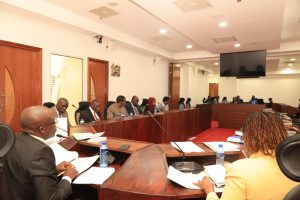
Following the vetting session, the Labour Committee will table its report before the House. The National Assembly will then decide whether Mejja ascends to the powerful chairmanship of the Public Service Commission.
If Parliament gives the green light, Francis Mejja’s tech-driven, merit-focused reforms could mark one of the most significant overhauls of Kenya’s public service in years — but implementation will be the real test.


