
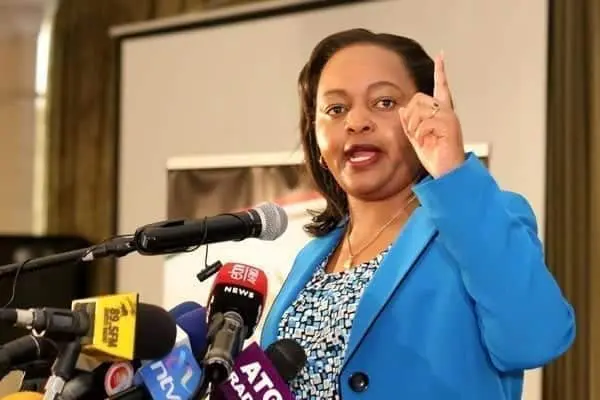
With the 2027 general election still more than a year away, the race to become President William Ruto’s running mate is already generating fierce competition and open political maneuvering. Three main forces are vying for the deputy presidency spot on the United Democratic Alliance (UDA) ticket: incumbent Deputy President Kithure Kindiki, Kirinyaga Governor Anne Waiguru, and the Orange Democratic Movement (ODM) pushing for one of its own.
The stakes are enormous. Mt Kenya remains a critical voting bloc, while any formal alliance with ODM could deliver massive support from Nyanza and the Coast. Ruto’s choice will shape not only his re-election prospects but also the fragile balance within his coalition.
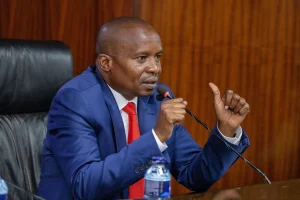
Kirinyaga Governor Anne Waiguru has made her intentions clear. Speaking at a women’s empowerment event in Kariti Ward on March 12, 2026, she asserted that Kirinyaga — and by extension Mt Kenya — deserves a shot at the deputy presidency. She emphasized her readiness to engage directly with President Ruto in negotiations ahead of the polls.
Waiguru positions herself as a fresh, delivery-oriented leader unburdened by the controversies that surrounded former Deputy President Rigathi Gachagua. Supporters highlight her strong governance record, appeal to women voters, and potential to make history as Kenya’s first female deputy president. Her declaration marks a shift from earlier speculation about a Senate run, signaling a serious national ambition.
Deputy President Kithure Kindiki shows no signs of stepping aside. He has repeatedly rebuffed speculation about being replaced, dismissing those “eyeing my position” and insisting he will serve through the full second term before pursuing higher office in 2032. Allies within UDA, including several senators and Mt Kenya lawmakers, describe the deputy slot as “non-negotiable” and praise Kindiki’s loyalty, technocratic competence, and role in stabilizing the administration after Gachagua’s impeachment.
Yet critics argue Kindiki lacks the fiery grassroots mobilization needed to lock in overwhelming Mt Kenya support. Some insiders suggest Ruto might ultimately sacrifice him to secure a broader coalition deal.

The Orange Democratic Movement is not putting forward a single candidate name — it is demanding the entire deputy presidency position as the price for a formal alliance with UDA. Party figures, including Oburu Oginga, have made it plain that cabinet posts alone will not suffice.
Mining Cabinet Secretary Hassan Joho has emerged as the most vocal contender from the Coast, rallying support for his elevation while warning of internal rifts if his bid is ignored. Homa Bay Governor Gladys Wanga is another name frequently mentioned, with some viewing her aggressive party work as a bid to position herself for the role. ODM argues that its numbers in Nyanza and the Coast could guarantee Ruto a decisive victory, neutralizing opposition threats and cementing a powerful “hustler” coalition.
However, handing the slot to ODM risks alienating core Mt Kenya and Rift Valley voters. Tensions are already evident, with Coast leaders divided over Joho’s push and Kindiki’s camp firmly rejecting any handover.
President Ruto confronts a delicate political equation: reward loyalty and maintain Mt Kenya stability by retaining Kindiki, inject fresh regional appeal and gender optics by elevating Waiguru, or lock in a massive coalition advantage by conceding the position to ODM.
Recent by-election outcomes, shifting public sentiment, and quiet backroom talks over the coming months will likely tip the scales. One certainty stands out: the deputy presidency will not be decided solely on merit or headlines — it will hinge on raw vote arithmetic and the art of coalition building.
As the jostling continues, Kenya watches closely. The decision Ruto makes could define the shape of his second term — and the path to 2027.


