
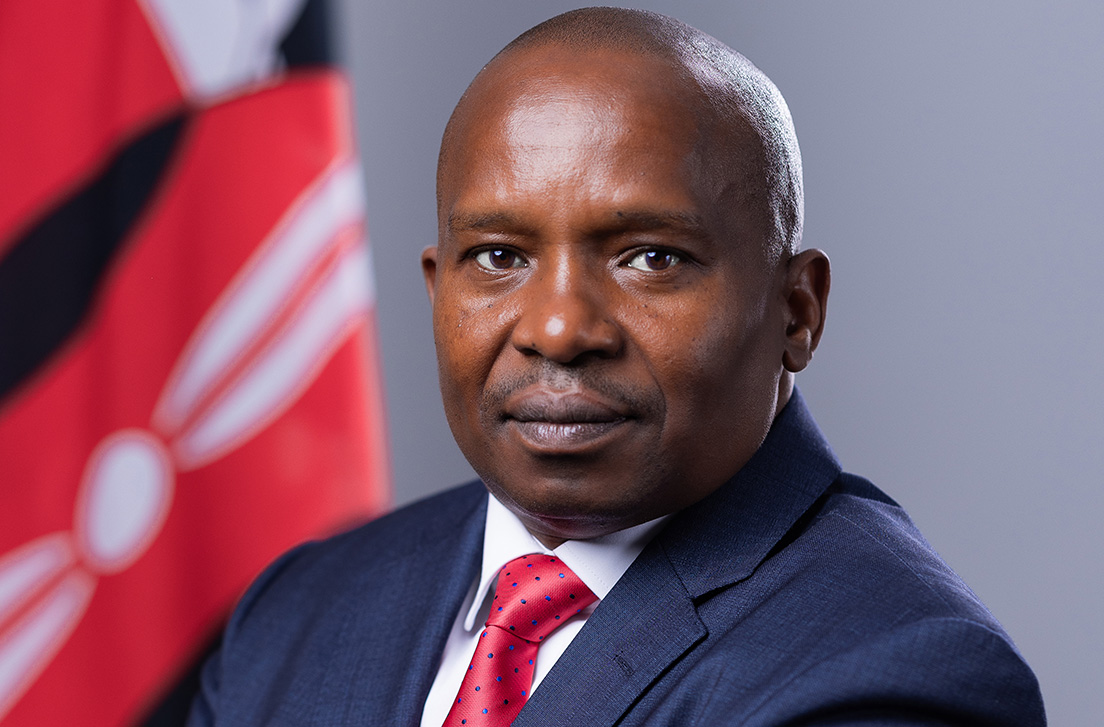
Whispers in Kenya’s political corridors have intensified following recent Orange Democratic Movement (ODM) gatherings and reports of behind-the-scenes discussions between ODM and the ruling United Democratic Alliance (UDA). A headline in The Star on January 22, 2026, suggested that Deputy President Kithure Kindiki’s position could be “on the radar” as President William Ruto consults UDA’s top organs over potential deeper engagement with ODM.
These speculations gained traction after ODM grassroots meetings, where supporters reportedly urged party leader Dr. Oburu Oginga to demand nothing less than the Deputy President slot in any future deal.
Yet, a review of recent events, statements from key players, and political context reveals a more nuanced picture: ongoing talks appear focused on a potential pre-2027 election coalition rather than an immediate government reshuffle that would displace Kindiki.
ODM has been active in early 2026 with high-profile internal meetings aimed at consolidating the party ahead of the 2027 General Election.
On January 11-12, 2026, ODM’s Central Management Committee (CMC) convened in Vipingo, Kilifi County, chaired by Party Leader Dr. Oburu Oginga (brother to former leader Raila Odinga.)
The meeting emphasized party unity, membership engagement, and dialogue on national issues, but sources indicated it also addressed emerging divisions over the party’s direction in a post-Raila era.

This was followed by a Western Kenya tour, including a delegates’ meeting in Busia on January 17 and a major consultative rally in Kakamega on January 18.
In Kakamega, thousands turned out, but reports highlighted underlying rifts, with rival factions holding parallel events and Governor Fernandes Barasa clashing with other local leaders.
Oburu sought to mend these divisions while pushing grassroots support.
During these events, some delegates reportedly pressed Oburu to demand significant power-sharing concessions—including the Deputy President position—in any talks with President Ruto’s UDA. This echoes Oburu’s earlier statements from late 2025, where he indicated ODM would settle for “nothing less” than the DP slot in a 2027 coalition.
More recently, Western leaders have pushed for “unconditional” ODM-UDA dialogue.
On the government side, UDA has scheduled key internal meetings. A special National Governing Council session is set for January 26, 2026, at State House, chaired by President Ruto.
Additionally, a joint Parliamentary Group meeting between UDA and ODM lawmakers is planned to discuss progress on the NADCO (National Dialogue Committee) 10-point agenda.
These developments follow reports that ODM is building grassroots support for a potential 2027 pact with Ruto’s party.
Some ODM figures, including Junet Mohamed, have publicly stated the party could back Ruto in 2027 if negotiations succeed—while ruling out deals with former Deputy President Rigathi Gachagua.
The speculation tying these talks directly to Kindiki’s job appears premature. Kindiki, appointed after Gachagua’s 2024 impeachment, has maintained a low-profile but loyal role alongside Ruto. No credible reports indicate imminent plans to replace him.
Constitutional barriers make removing a sitting Deputy President difficult—it requires impeachment by Parliament, a high threshold unlikely without major scandal. Current discussions seem geared toward electoral alliance-building for 2027, including possible cabinet expansions or power-sharing formulas post-election, rather than mid-term upheaval.
Oburu has outlined “tough conditions” for any coalition, emphasizing youth inclusion and equitable power distribution.
While some supporters envision a historic ODM Deputy President, this aligns more with long-term ambitions than immediate demands.
Critics within ODM warn against hasty deals, fearing dilution of the party’s opposition legacy.
President Ruto, meanwhile, may see value in courting ODM’s Western and Nyanza strongholds to counter emerging “third force” movements and consolidate his re-election bid.
As of January 22, 2026, ODM-UDA engagement is real and accelerating, driven by mutual interest in 2027 positioning. Grassroots enthusiasm for bold demands—like an ODM Deputy President—adds pressure on negotiators. However, evidence points to electoral strategy rather than an immediate threat to Deputy President Kindiki.
Kenya’s fluid politics often breed dramatic rumors, but substantive change requires formal agreements and constitutional processes. For now, Kindiki appears secure, while Oburu Oginga navigates ODM through a transitional phase with an eye on greater influence ahead.


