
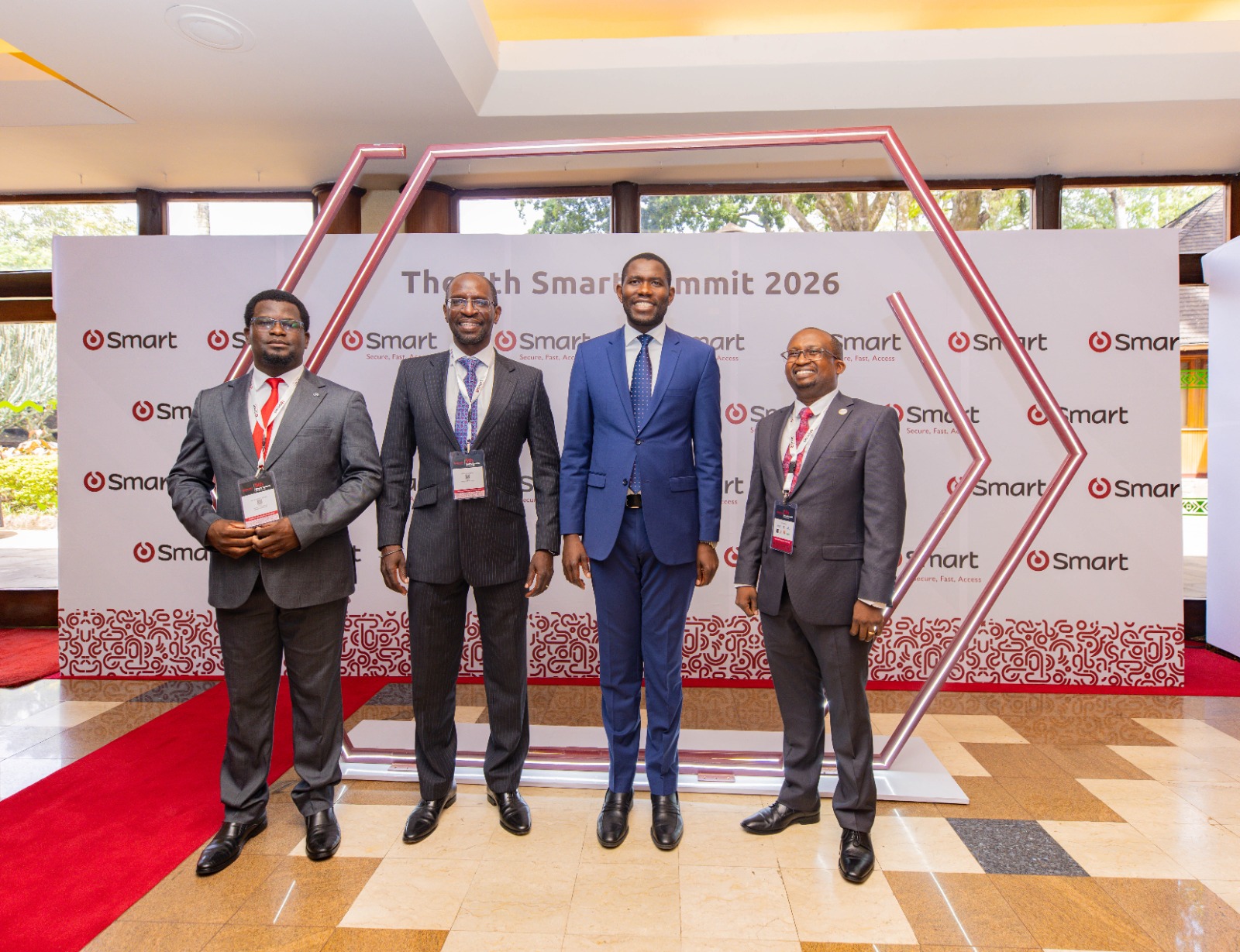
Africa’s top healthcare decision-makers converged in Nairobi this week for the Smart Summit 2026, issuing a strong call to shift from fragmented digital health efforts to fully integrated, accountable systems capable of transforming service delivery across the continent.
Held at the Safari Park Hotel, the fifth edition of the summit—hosted by Smart Applications International—brought together leaders from government, healthcare, insurance, and technology sectors under the theme “Healthcare Technology for a Better World.” Over the years, the forum has grown into a premier platform for shaping policy alignment, driving innovation, and strengthening cross-sector collaboration in Africa’s healthcare ecosystem.
Opening the summit, Board Chairman Andrew Musangi underscored the urgency of translating dialogue into tangible outcomes, noting that today’s complex health challenges demand deeper coordination among stakeholders.
“The opportunity before us is significant, but it demands more than conversation. It requires coordinated action, stronger partnerships, and a shared commitment to building healthcare systems that are resilient, transparent, and responsive,” he said.
At the heart of the discussions was a shared concern: despite increased investment in digital health, inefficiencies persist, undermining service delivery. Participants stressed the need to move beyond isolated digital tools and embrace interoperable platforms that seamlessly connect patients, providers, insurers, and policymakers.
Group Managing Director Harrison Muiru highlighted accountability as the next frontier in healthcare transformation, urging stakeholders to embed technology at the core of governance and operations.

“Access alone is not enough. The next frontier is accountability—ensuring systems are efficient, transparent, and capable of delivering measurable outcomes,” he noted, adding that technology must enable real-time visibility and better decision-making across the healthcare value chain.
The summit also tackled persistent execution gaps in digital health implementation, with stakeholders calling for a decisive pivot from pilot projects to scalable, sustainable solutions capable of operating at national and regional levels.
In his address, Ouma Oluga, Kenya’s Principal Secretary for Medical Services, reaffirmed the government’s commitment to leveraging digital infrastructure to advance Universal Health Coverage (UHC).
“Technology is a critical enabler—from patient identification and service delivery to claims management and policy decision-making,” he said. “Our focus must be on integrated, secure, and scalable systems that ensure healthcare reaches every citizen.”
A standout moment of the summit was the launch of the inaugural Smart Summit Excellence Awards, aimed at recognizing institutions and leaders driving innovation, improving access, and strengthening efficiency across Africa’s healthcare landscape. The initiative is expected to foster a culture of accountability and continuous improvement in the sector.
Deliberations throughout the summit crystallized around four key priorities: scaling proven digital solutions, strengthening interoperability, harnessing data for real-time decision-making, and enhancing accountability in healthcare financing and service delivery.
As Africa’s healthcare systems grapple with rising demand, escalating costs, and evolving public expectations, participants emphasized the need for sustained public-private partnerships. The summit closed with a unified commitment to accelerate implementation, deepen collaboration, and ensure digital investments translate into real improvements in patient outcomes.
Over the past two decades, Smart Applications International has played a central role in advancing healthcare technology across the continent, delivering solutions in biometric identity, digital platforms, and analytics. With a growing footprint across multiple countries, the company continues to partner with governments, providers, insurers, and development agencies to strengthen systems and expand access to essential services.


