
A prominent Nairobi bishop, widely regarded as a leading figure in the city’s religious community, has found himself at the center of a explosive sex scandal that has sent shockwaves through his congregation and beyond.
According to reports in The Star, the bishop stands accused of engaging in an illicit affair with a married woman. The allegations surfaced when a male church member allegedly published what the bishop describes as “malicious statements” about the relationship. In response, the bishop has filed a defamation lawsuit against the accuser, insisting the claims are entirely false and have severely damaged his reputation and standing.
The story first broke in The Star’s news briefs on March 18, 2026, under the headline “Top city bishop in storm over alleged affair with a married woman.” A follow-up article the next day, titled “Renowned Nairobi bishop embroiled in sex scandal,” detailed the bishop’s legal action. The Star also released a video news brief highlighting the developing controversy, though full details remain limited due to the ongoing legal proceedings.
As of March 19, 2026, key identities — including the bishop’s name, the woman involved, and the church member who made the accusations — have not been publicly disclosed in mainstream media or on social platforms. Kenyan outlets, including The Star, have exercised caution in withholding specifics, a standard practice to avoid potential libel risks while matters head to court. Social media discussions, including posts from The Star’s official accounts on X, have echoed the headlines but generated limited engagement and no concrete leaks or additional revelations.
The core accusation is straightforward: the bishop allegedly conducted a sexual relationship with a married woman connected to his church or ministry. The accusing church member is said to have shared these claims publicly — possibly through social media, WhatsApp groups, or other congregational channels — prompting the bishop’s swift defamation suit. He maintains the publications were made with malice and seeks damages along with potential court orders to halt further dissemination.
This case fits into a broader, troubling pattern of clergy-related scandals in Kenya. Over the years, Kenyan churches — particularly in the charismatic, Pentecostal, and mainline sectors — have faced repeated allegations of sexual misconduct involving pastors and congregants. High-profile examples include cases of harassment within hierarchical structures, extramarital affairs exposed by family members, and internal disputes that spill into public view or the courts.

Nairobi’s thriving mega-church scene often amplifies such vulnerabilities. Many bishops and senior pastors enjoy celebrity-like status, commanding large followings, significant financial resources, and considerable influence over their members’ lives. This dynamic can create environments where power imbalances make exploitation more likely, and where allegations are met with aggressive legal pushback rather than transparent internal reviews.
In many instances, church leaders opt for defamation lawsuits to counter accusations from within their own ranks. While such civil claims are relatively straightforward to file under Kenyan law, they raise questions about balancing reputation protection with public interest in accountability, especially when pastoral authority is involved.
Public reaction has so far remained subdued, likely due to the lack of named individuals. Online chatter has been minimal, with most Kenyans appearing to await further developments or concrete evidence. In a nation where churches play a major role in shaping moral and political discourse, this restraint may reflect a mix of loyalty, fear of repercussions, or simple uncertainty.
The defamation case is expected to proceed in Nairobi’s courts, where evidence could eventually come to light. If the accusing church member possesses verifiable proof — such as messages, recordings, or witness testimony — the bishop’s position could weaken significantly, potentially turning a contained legal dispute into a major public scandal. Conversely, if the claims prove unfounded, the accuser could face substantial financial penalties.
For now, the congregation remains in a state of uneasy suspense. Whispers circulate in pews while the bishop continues his ministry. The faithful — and the wider Kenyan public — deserve clarity: robust oversight mechanisms within churches, independent handling of misconduct allegations, and media committed to responsible reporting when facts emerge.
Until more details surface, this episode stands as yet another reminder that even the most revered pulpits can conceal deeply human failings — and that the pursuit of truth often collides with the instinct for self-preservation. Nairobi watches closely: Is this a case of unjust persecution against a dedicated spiritual leader, or the unmasking of long-hidden hypocrisy? The courts, and time, will tell.
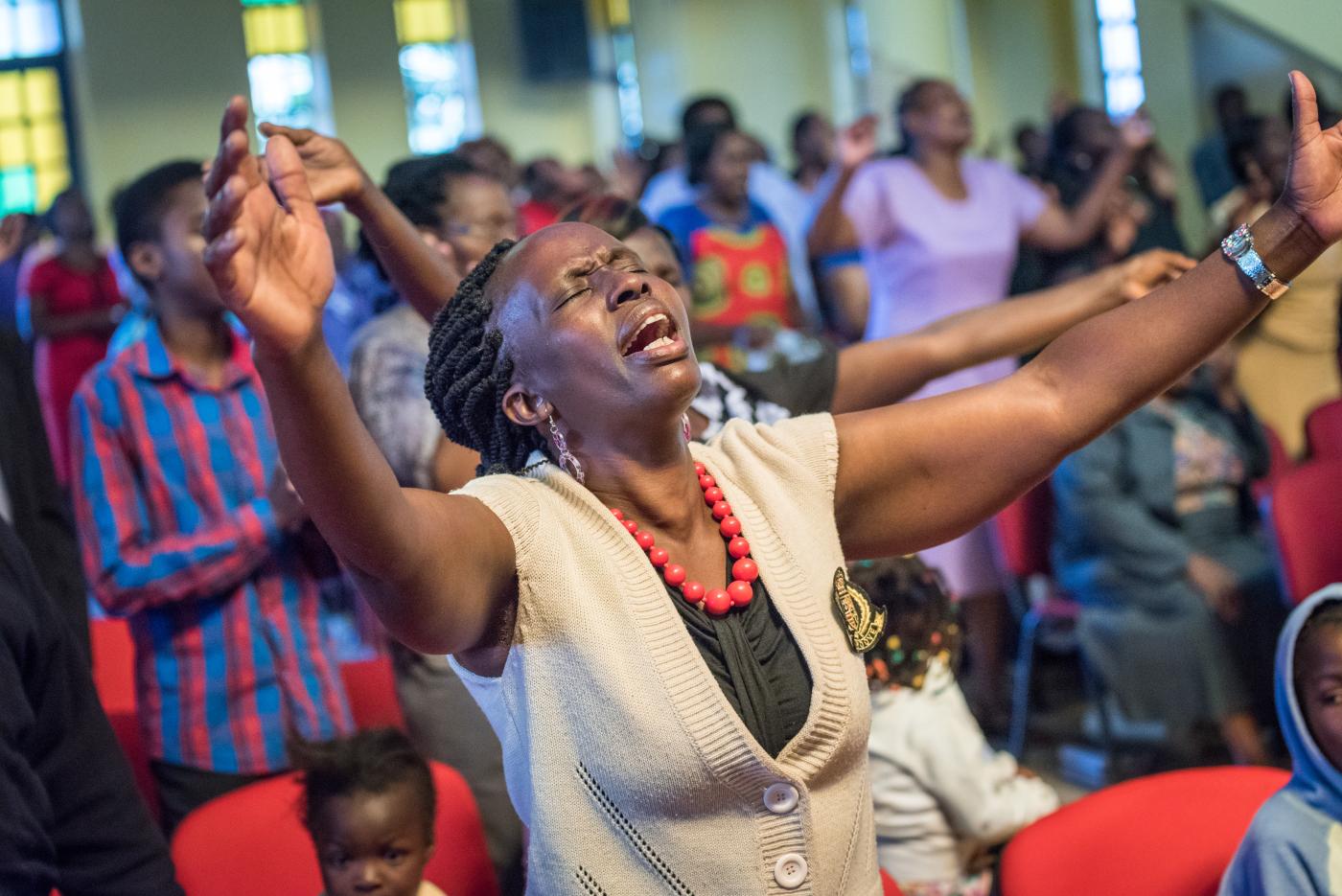
NB: featured Image used for illustration purposes only


