
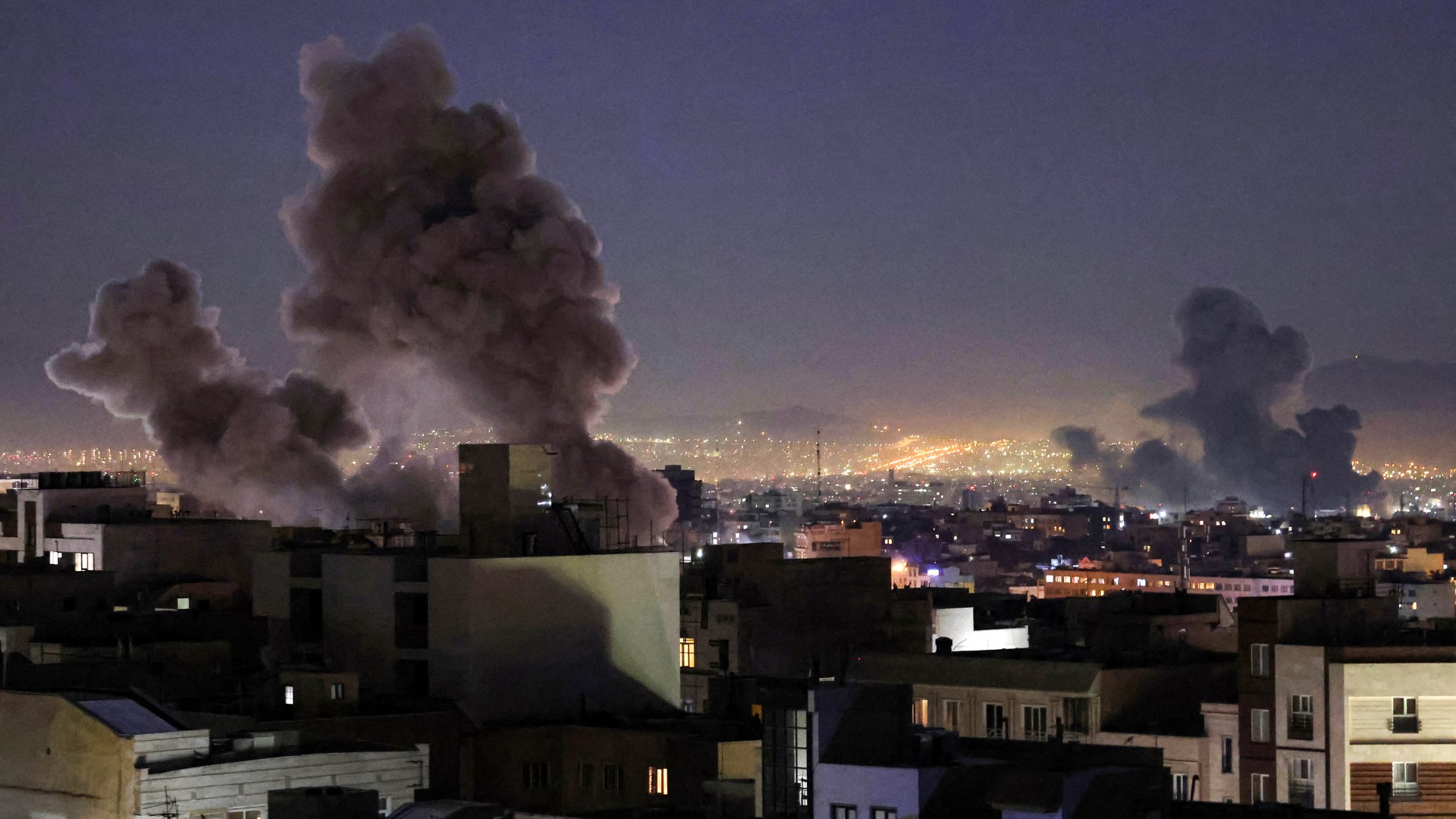
The United States has unleashed its most intense wave of airstrikes on Iran since the outbreak of the escalating Middle East conflict, with Washington warning that the campaign could intensify further if Tehran threatens global energy routes.
Speaking during a Pentagon briefing on Tuesday, U.S. Defense Secretary Pete Hegseth said the latest barrage would mark the most aggressive phase of the war so far, involving a surge of fighter jets, bombers and precision strikes against Iranian military targets.
The strikes form part of a widening campaign by Washington and its allies aimed at crippling Iran’s missile systems, naval vessels and military infrastructure following retaliatory attacks by Tehran across the region.
Residents of the Iranian capital Tehran reported one of the most punishing nights since hostilities began, as explosions echoed across the sprawling city while air defense systems attempted to intercept incoming strikes.
Witnesses described a night of relentless bombardment that left families sheltering indoors as buildings shook in several districts.
The conflict, now entering a dangerous new phase, has already seen thousands of targets hit by U.S. forces, including missile launch sites, drone facilities and naval assets believed to be supporting Iranian military operations.
Tensions have intensified dramatically over fears that Iran could disrupt shipping through the Strait of Hormuz, a narrow maritime corridor through which roughly one-fifth of the world’s oil supply passes.
U.S. President Donald Trump issued a stark warning after reports that Iranian forces were preparing to deploy naval mines in the vital shipping lane.
Trump warned that if Tehran interferes with the waterway, the consequences would come “at a level never seen before,” signaling the possibility of a much broader military escalation.
American forces have already struck several Iranian vessels suspected of preparing mine-laying operations in the strategic corridor.
Despite the sharp escalation, Washington has offered mixed signals about how long the conflict might last.
Trump has repeatedly suggested the war could end “very soon,” even as the Pentagon prepares additional strike packages aimed at weakening Iran’s military capabilities and preventing further attacks on U.S. interests in the region.
Behind the scenes, however, reports indicate that some senior advisers are quietly urging the president to pursue a diplomatic off-ramp before the confrontation spirals into a wider regional war.
The rapidly intensifying conflict has unsettled global markets and raised fresh fears about energy security, with oil traders closely monitoring developments around the Strait of Hormuz.
Energy analysts warn that any prolonged disruption in the shipping lane could trigger major economic shockwaves, given the region’s central role in global oil supply.
For now, governments, businesses and financial markets remain on edge — watching closely to see whether Washington pushes ahead with deeper military escalation or shifts toward negotiations to prevent the conflict from expanding further across the Middle East.


